What Is the Best Way to Extend the Life of Brake Components?

Time:2026-09-28 Author:Oliver
0%

Extending brake life begins with habits formed long before a warning light appears. Brake pads and rotors wear faster when a driver brakes hard, carries unnecessary weight, or rides the pedal down a long hill. Small clues matter: a growing squeal, vibration through the steering wheel, or a soft pedal deserves prompt attention from a qualified technician. These signs do not identify one specific fault, but ignoring them can turn routine service into a larger repair.

This guide explores how to extend the life of brake components through steady driving, regular inspections, and timely maintenance. It also explains why clean, correctly fitted parts matter, and how moisture, road salt, and stop-and-go traffic can affect wear. Brake-system engineer James Walker Jr. is a recognized technical educator, but I can’t verify a direct quotation from him on this exact topic. Rather than invent one, this introduction uses a practical principle: “Gentle braking and timely inspection help prevent avoidable wear.” Treat that as general guidance, not a quotation from Walker.

There is no universal mileage that guarantees a brake part’s lifespan. Routes, vehicle load, driving style, and component quality all change the picture. A quiet brake system is not always a healthy one, either. Look for measurable checks, not reassurance alone: pad thickness, rotor condition, fluid level, and any change in pedal feel. The best routine is simple, though not glamorous: drive smoothly, follow the vehicle maker’s service schedule, and ask a qualified technician to investigate unusual symptoms.
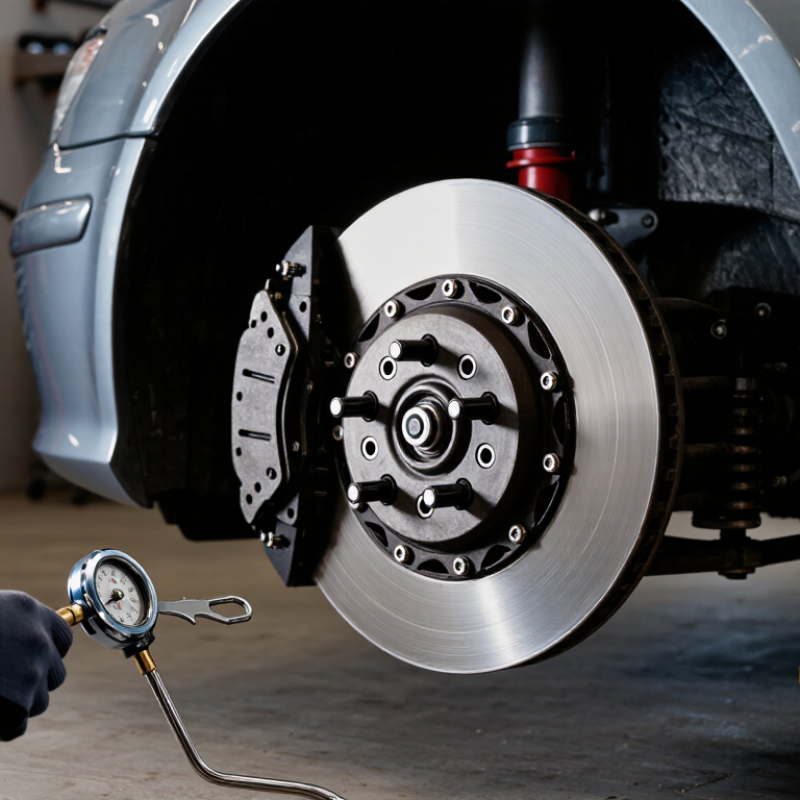
What Is the Best Way to Extend the Life of Brake Components?

Understanding the Factors That Wear Brake Components

Brake wear depends on more than mileage. Traffic, terrain, vehicle weight, and driving habits all affect how often pads and rotors work. In stop-and-go traffic, repeated braking gives components less time to cool. Long downhill stretches can add sustained heat, especially when a heavily loaded vehicle slows repeatedly. Heat matters.

Moisture and road grit also play a part. Water can encourage surface rust on rotors, while grit may become trapped between the pad and rotor and leave fine scoring. A car parked outside in damp weather may show light rust that clears after normal braking, but persistent noise or vibration deserves attention. Conditions vary.

Maintenance affects wear, too. A sticking caliper can keep a pad pressed against the rotor, causing one side to wear faster. Uneven pad thickness, deep rotor grooves, or a burning smell are reasons to arrange an inspection with a qualified technician. A squeal alone does not prove a specific fault; some pads make noise for other reasons. Regular checks can catch uneven wear early, though inspection intervals and wear rates differ by vehicle and use.

Inspecting Brake Pads, Rotors, and Related Parts

Brake life depends on heat, driving habits, road conditions, and the condition of nearby parts. During tire service, ask a technician to inspect both inner and outer pad surfaces; the outside pad can look healthy while the inner one is nearly worn out. Look for uneven wear. Measure pad thickness rather than judging it by appearance alone, and compare it with the vehicle’s service limits.

Inspect rotors for deep grooves, cracks, rust ridges, and blue or dark heat spots. A technician should measure rotor thickness and check runout against the vehicle maker’s specifications. Do not replace rotors based only on a rough-looking surface: machining or replacement depends on measurements and condition. Check caliper slide pins, dust boots, hoses, and fluid for sticking, damage, leaks, or contamination. Listen during braking. A pull, vibration, or new scraping sound deserves prompt attention.

NHTSA’s 2015 summary of the National Motor Vehicle Crash Causation Survey attributed about 2% of investigated crashes’ critical reasons to vehicle factors. That figure does not measure brake wear or prove that inspections prevent crashes, but it is a useful reminder that vehicle condition matters. The survey is also older and covers specific crash investigations, not every road user. Inspection findings can be imperfect, too; ask for measured pad and rotor readings, not just a vague “they’re fine.”

Using Driving Habits That Reduce Brake Wear

What Is the Best Way to Extend the Life of Brake Components?
Using Driving Habits That Reduce Brake Wear

Brake components last longer when braking is smooth and predictable. Look farther ahead for traffic lights, queues, and turning vehicles. Ease off the accelerator early, then apply steady pressure instead of braking hard at the last moment. Leave enough space between your car and the vehicle ahead. This gives you time to slow gradually. It can feel less urgent, but it takes practice.

On long descents, avoid keeping your foot lightly on the brake. Where appropriate, select a lower gear to help control speed, while staying ready to brake whenever needed. Never trade safe control for reduced wear. Repeated sharp stops, especially in heavy traffic, can build heat in the pads and rotors. I still catch myself stopping too late sometimes; adjusting my following distance helps. If braking feels uneven, makes unusual noises, or takes longer than usual, arrange an inspection rather than changing your driving alone.

Tips: Check tire pressure regularly, since properly inflated tires support stable stopping. Remove unnecessary heavy cargo when practical. After a steep descent, avoid splashing hot brakes with water. Small habits matter.

What Is the Best Way to Extend the Life of Brake Components?

Using driving habits that reduce brake wear

The bars show approximate kinetic energy per stop for a 1,000 kg vehicle, calculated using ½mv². Higher speeds mean substantially more energy for the brakes to dissipate. Look ahead, ease off the accelerator early, and brake smoothly to help reduce heat and wear. Actual brake energy varies with vehicle mass, road conditions, and braking circumstances.

Maintaining the Brake System and Its Components

Brake components last longer when the whole system receives regular attention, not just the pads. Check pad thickness and rotor surfaces during routine service. Deep grooves, blue discoloration, or a sharp squeal deserve inspection. A soft pedal or pulling to one side can signal a problem that should not wait.

At home, look for fluid beneath the vehicle and watch for changes in pedal feel. Brake fluid can absorb moisture over time, so follow the service interval in the vehicle manual. Keep wheels and nearby parts free of heavy dirt, but avoid spraying harsh cleaners onto friction surfaces. A quick visual check helps. It does not replace a proper inspection. Small changes matter.

Driving habits affect wear, too. Leave more space in traffic and slow down smoothly instead of braking hard at the last moment. On long downhill roads, use an appropriate lower gear where the vehicle allows it, rather than riding the brakes. No inspection catches everything. That is worth remembering. If warning lights appear, braking feels unusual, or you hear persistent grinding, arrange a prompt check with a qualified technician.

Replacing Worn Parts Before They Damage Other Components

Replacing worn brake parts promptly can prevent a small repair from becoming a larger one. Thin pads expose rotors to excessive heat and metal-on-metal contact; damaged rotors may then need replacement too. A grinding sound is urgent. A squeal, vibration, or one wheel that feels unusually hot also deserves inspection. These clues are not a diagnosis, but ignoring them can make damage worse.

The Commercial Vehicle Safety Alliance’s 2023 Brake Safety Week report found that 12.6% of 18,875 inspected commercial vehicles were placed out of service for brake-related violations. Its 2023 International Roadcheck also found 25.4% of inspected vehicles were placed out of service for vehicle-related violations overall. These inspection results are not estimates for passenger cars, but they show why routine checks matter. Ask a technician to measure pad thickness and compare rotor thickness with its stamped minimum. Replace pads in axle sets, and inspect the caliper slides and hardware; uneven wear may point to a sticking caliper, not just old pads. There is no perfect mileage rule. Driving habits, load, and road conditions change wear, so a calendar reminder alone can miss trouble. It is easy to postpone an inspection. That is the weak link.

FAQS

How can I reduce brake wear during everyday driving?

Look ahead for red lights and slow traffic. Ease off the accelerator early, then brake steadily. It takes practice.

Why should I leave more space between vehicles?

Extra distance gives you time to slow gradually. It can prevent last-second, hard stops.

What should I do on a long downhill road?

Use a lower gear when appropriate to help control speed. Stay ready to brake. Safety comes first.

Which brake warning signs need inspection?

Grinding, squealing, vibration, longer stopping distances, or an unusually hot wheel deserve attention. These signs are not a diagnosis.

Can worn brake pads damage other parts?

Yes. Thin pads can overheat or damage rotors through metal-to-metal contact. A grinding sound needs prompt attention.

How often should brake pads be replaced?

There is no perfect mileage rule. Wear depends on driving habits, vehicle load, and road conditions. Ask a technician to check pad thickness.

Should brake pads be replaced one at a time?

Pads should be replaced in axle sets. Have the caliper slides and hardware checked for uneven wear.

What small habits can help with stable stopping?

Check tire pressure regularly and remove unnecessary heavy cargo when practical. After a steep descent, don’t splash hot brakes with water.

Is smooth braking enough if the brakes feel uneven?

No. Arrange an inspection if braking feels uneven or unusual. I still brake too late sometimes, so I need to leave more space.

Conclusion

Extending the life of brake components starts with understanding what causes wear. Frequent hard braking, heavy loads, stop-and-go traffic, and neglected maintenance can put extra strain on pads, rotors, and related parts. Regular inspections help identify thinning pads, uneven rotor surfaces, unusual noises, leaks, or other signs of trouble before minor issues become larger problems.

Knowing how to extend the life of brake components also means adopting smoother driving habits: anticipate stops, leave enough following distance, and slow down gradually when conditions allow. Keep the brake system clean and have its fluid and components checked according to the vehicle’s maintenance schedule. Replace worn parts promptly and make sure related components are examined at the same time. Timely repairs can prevent damaged parts from placing added stress on the rest of the system, helping maintain dependable braking and avoid unnecessary wear.

Oliver

Oliver

Oliver is a seasoned marketing professional with a wealth of expertise in driving brand awareness and engagement. With a deep understanding of our company's product offerings, he consistently delivers high-quality content that enriches our professional blog. His insights not only shed light on......