The global brake friction materials market is a critical pillar of the automotive and industrial machinery sectors. As safety standards tighten across Europe, North America, and Asia-Pacific, the demand for high-performance friction solutions has surged. From passenger vehicles to heavy-duty industrial reducers, the effectiveness of a braking system depends entirely on the quality and composition of the friction material used.
Currently, the market is shifting toward sophisticated material blends including ceramic fibers, aramid pulps, and high-performance wet paper-based materials. Global manufacturers are increasingly looking for suppliers who can provide consistent friction coefficients (CoF), low noise levels, and minimal dust emission while maintaining durability in extreme temperatures.
Our analytics show that the shift towards "Green Friction" (copper-free materials) is no longer a trend but a global regulatory requirement. Factories like Hangzhou MOAD AUTO Co., Ltd. are at the forefront of this evolution, developing next-generation fibers for the international market.
Transitioning from traditional metallic compositions to ceramic and cellulose-based fibers to comply with environmental regulations and reduce brake dust contamination.
EVs require different friction characteristics due to regenerative braking. Our materials focus on oxidation resistance and silent operation for EV brake systems.
Growth in wet friction technology for automatic transmissions, tractors, and heavy industrial machinery, emphasizing heat dissipation and smooth engagement.
A Professional China Factory for Integrated Braking Solutions
Hangzhou MOAD AUTO Co., Ltd. is a professional manufacturer specializing in brake system components, including brake pads, brake rotors, and automotive friction materials. Located in Hangzhou, China, the company integrates research and development, production, quality control, and global sales to provide reliable braking solutions for international automotive markets.
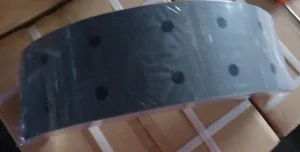
With a strong technical team and advanced manufacturing facilities, MOAD AUTO is committed to delivering high-performance products that meet strict industry standards for safety, durability, and consistency. Our brake components are widely used in passenger vehicles, commercial vehicles, and various aftermarket applications, ensuring stable braking performance under different driving conditions.
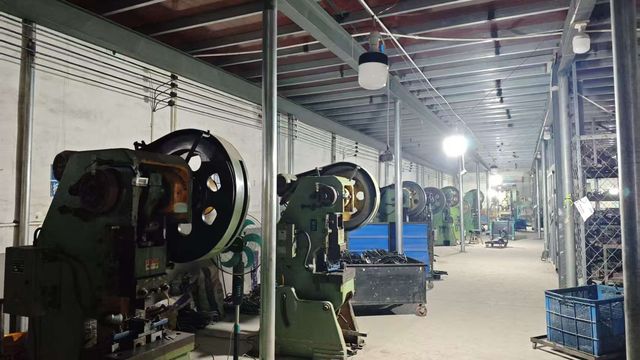
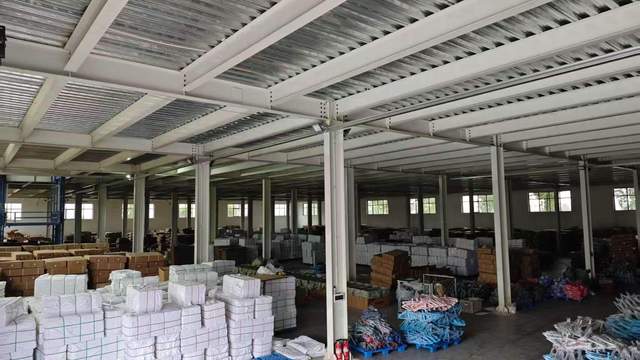
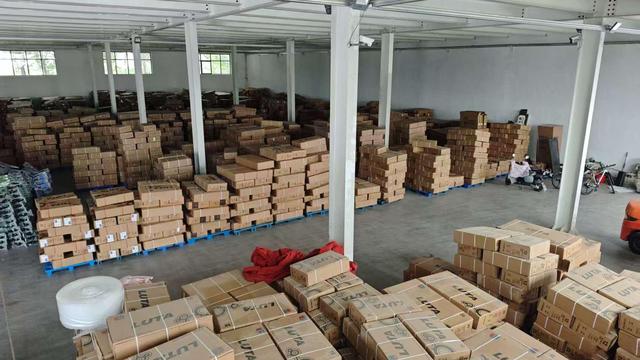
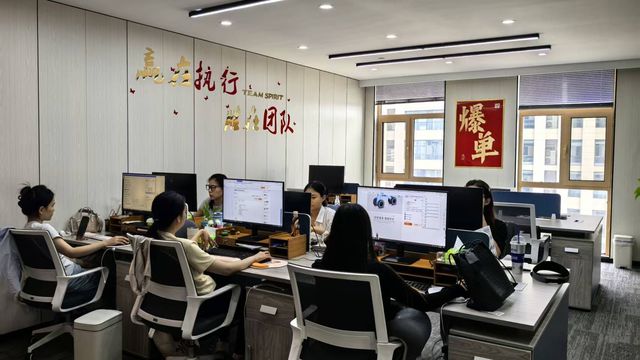
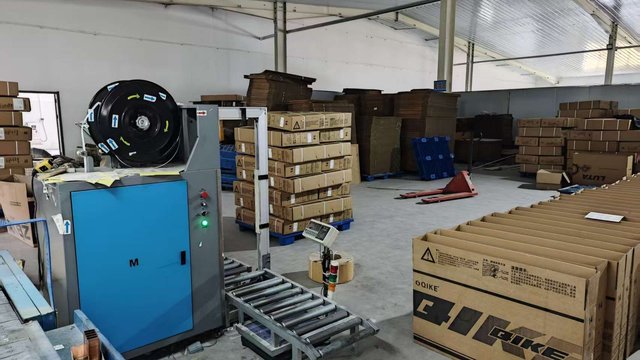
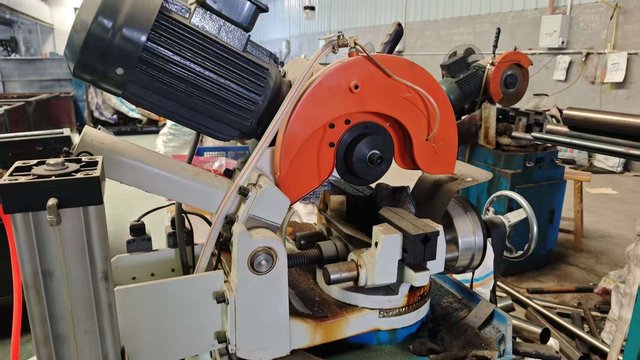
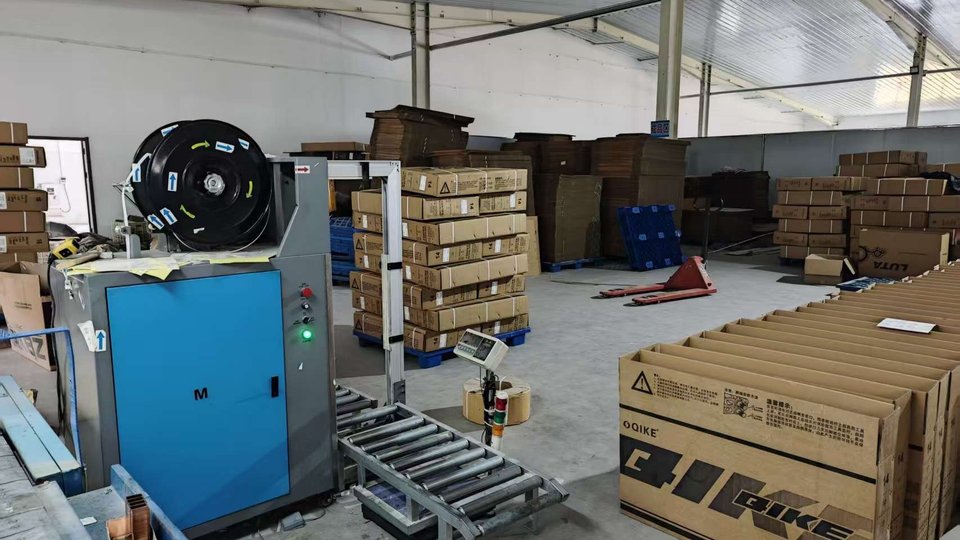
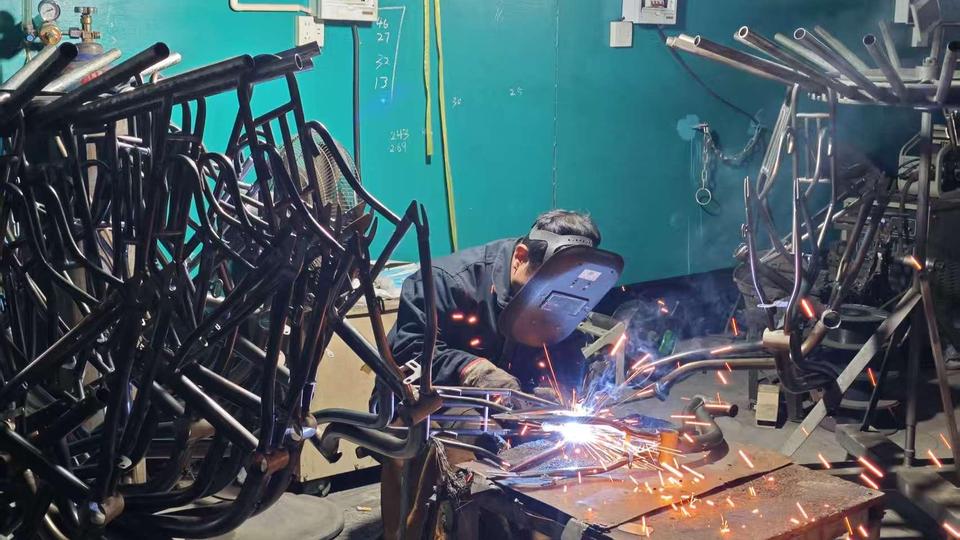
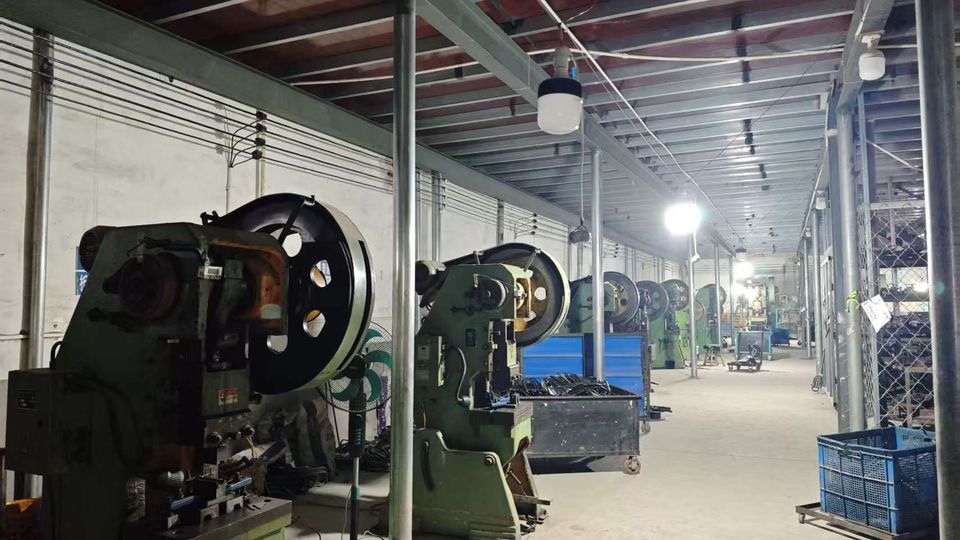
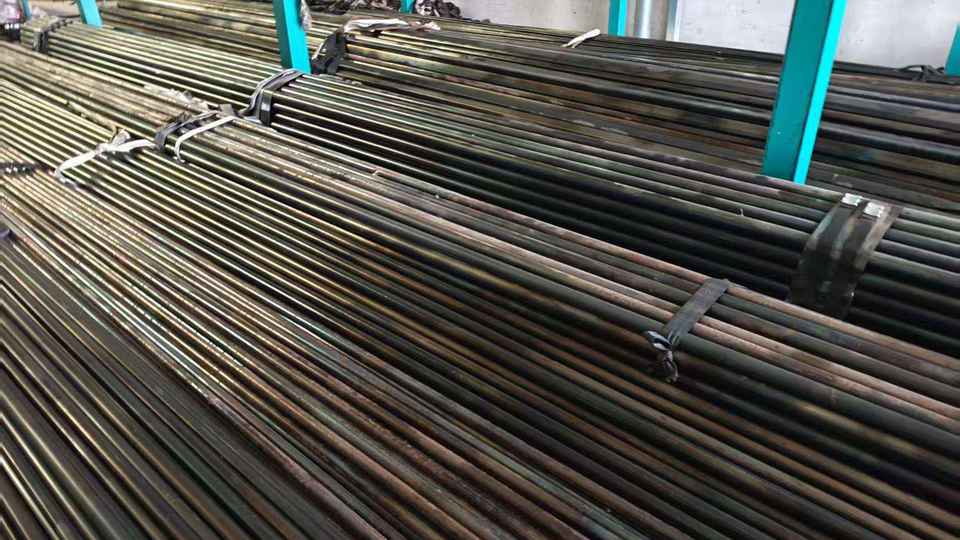
Hangzhou MOAD AUTO Co., Ltd. continuously invests in innovation and process improvement, utilizing modern equipment and precise testing systems to maintain consistent product quality. Every stage of production, from raw material selection to final inspection, is strictly controlled to ensure reliability and long service life. We also provide customized solutions to meet specific customer requirements, supporting OEM and aftermarket partners with flexible production capabilities and efficient supply chain services.
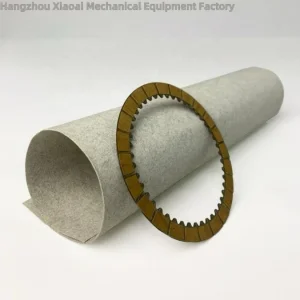
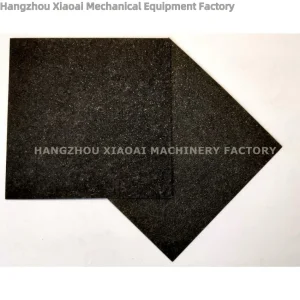
Wet paper-based friction materials are essential for paver brake plates and compact tractors. These environments require high load-bearing capacity and resilience against moisture and mud.
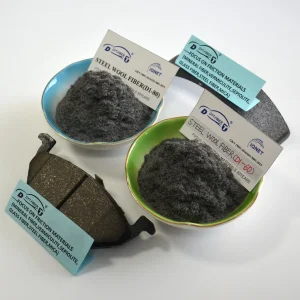
Ceramic fiber and steel wool fiber friction mixtures are the gold standard for passenger car brake pads, balancing cost-efficiency with premium stopping power.
Reducers, wet clutches, and industrial gearboxes rely on specific friction coefficients provided by para-aramid pulps and specialized phenolic resins to ensure safety and precision.
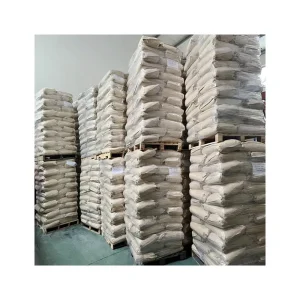
As the "World's Factory," Chinese manufacturers like MOAD AUTO offer unparalleled advantages in the friction material supply chain:
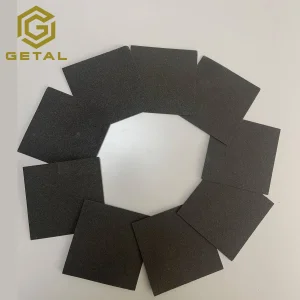
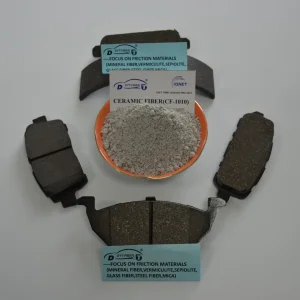
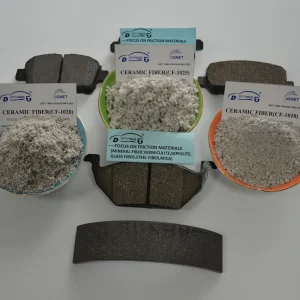
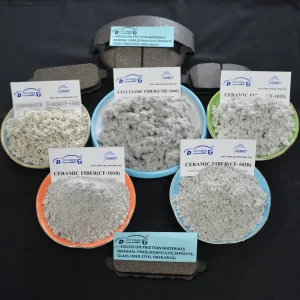
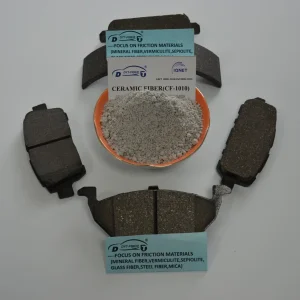
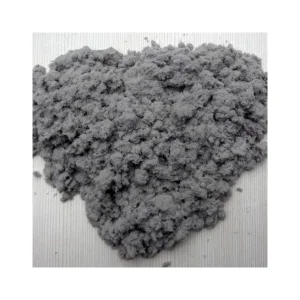
Understanding the chemistry of brake friction is vital for engineering safety. Ceramic Fiber (CF-1025, CF-1035, CF-1010) provides a stable friction level across a wide range of temperatures. Ceramic materials are favored for their ability to withstand heat without "fading," making them ideal for performance braking. At MOAD AUTO, our ceramic fibers are engineered to minimize disc wear, extending the life of the entire braking system.
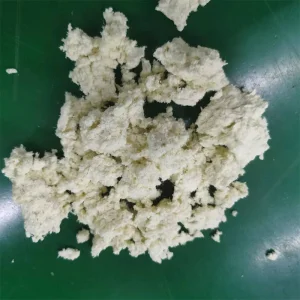
Para-Aramid Pulp is another cornerstone of modern friction technology. Its high strength-to-weight ratio and heat resistance allow it to act as a reinforcement in the friction matrix, preventing cracks and structural failure under high-stress conditions. This is particularly important in heavy-duty commercial vehicle applications.
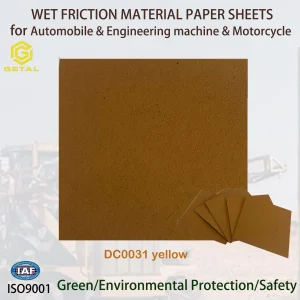
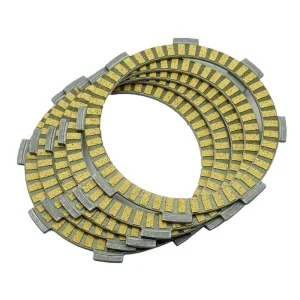
For wet environments, our Wet Paper-Based Friction Materials offer superior performance in oil-immersed applications like clutches and wet brakes. These materials provide the necessary porosity for oil circulation, which is critical for cooling and smooth engagement in agricultural and construction machinery.
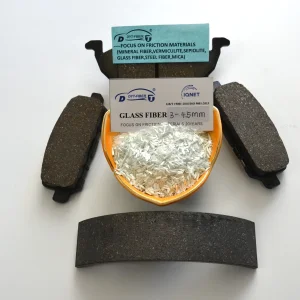
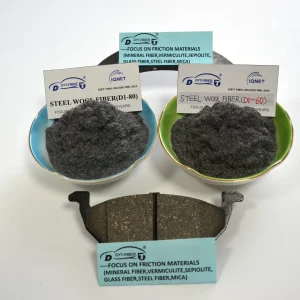
Furthermore, the use of Steel Wool Fiber (D1-80, D1-60) serves as a structural reinforcement and a thermal conductor, helping to move heat away from the friction surface rapidly. By meticulously balancing these ingredients—cellulose fibers, glass fibers, and specialized resins—our engineering team creates bespoke solutions for every braking challenge.
 MOAD AUTO