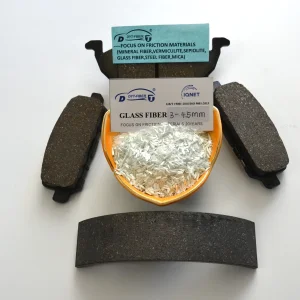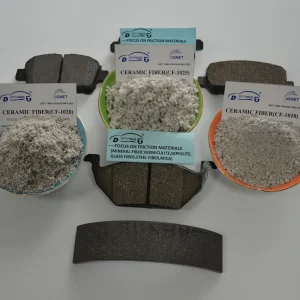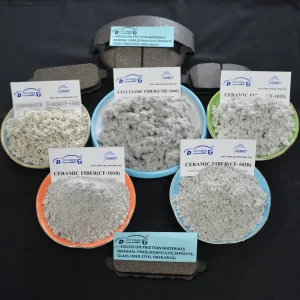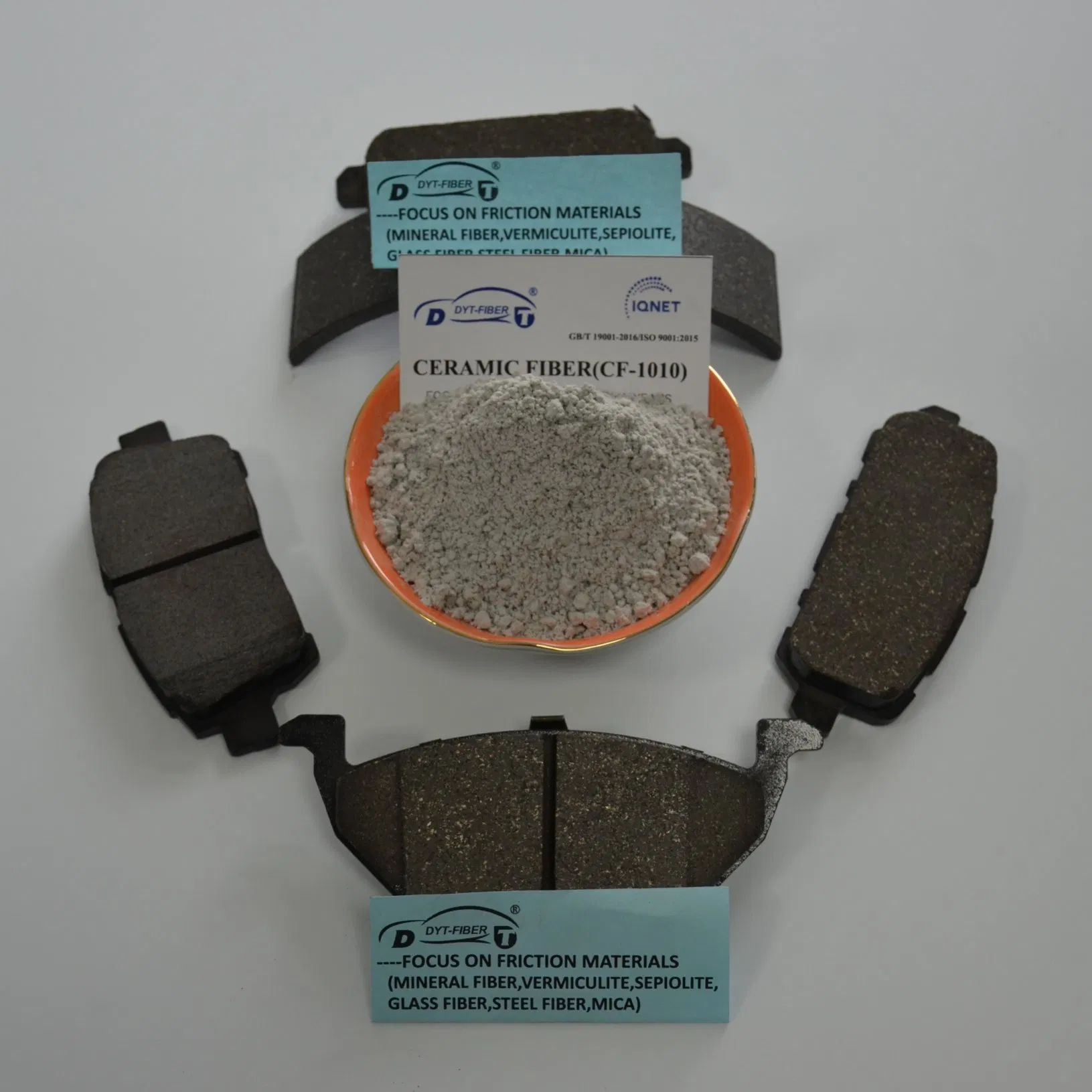
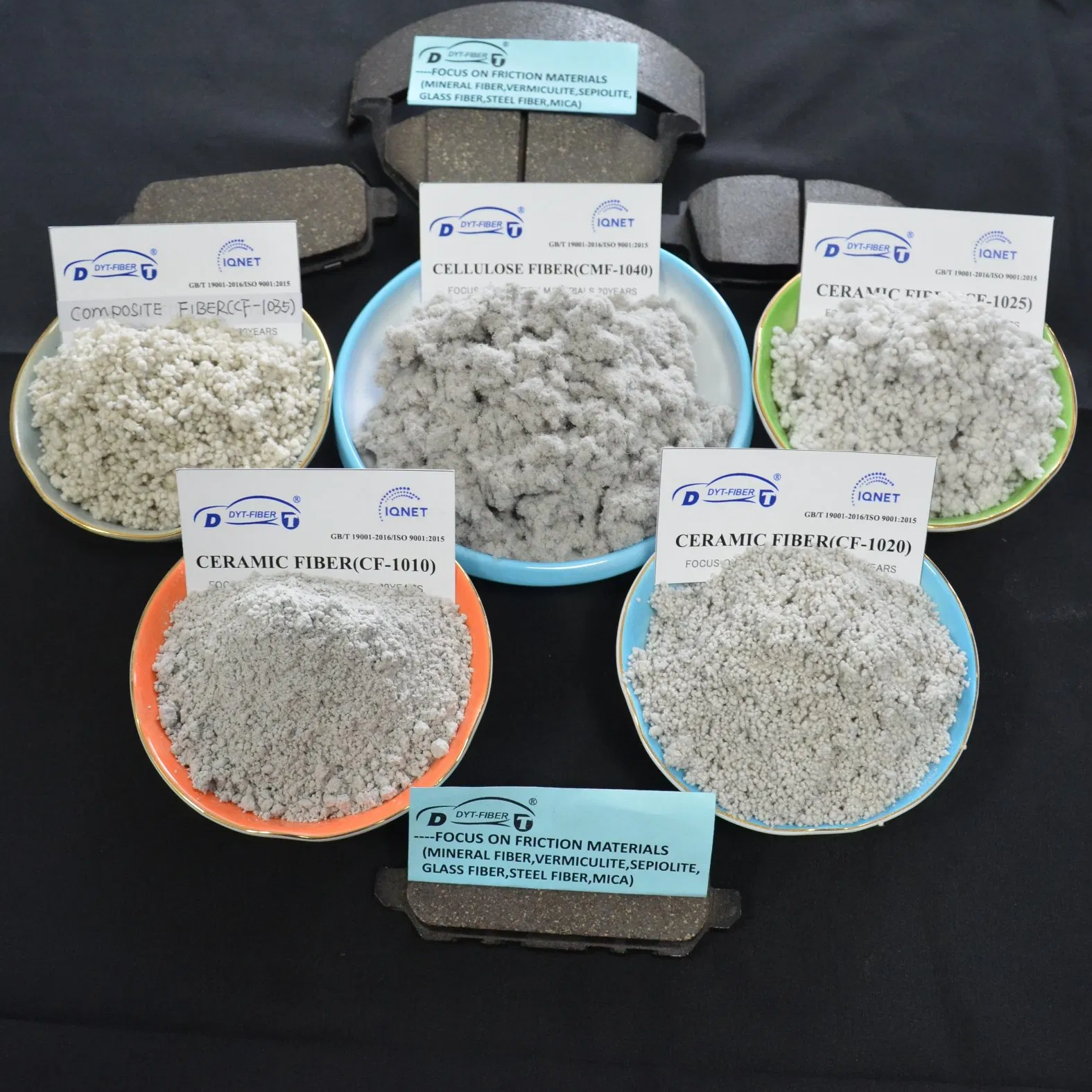
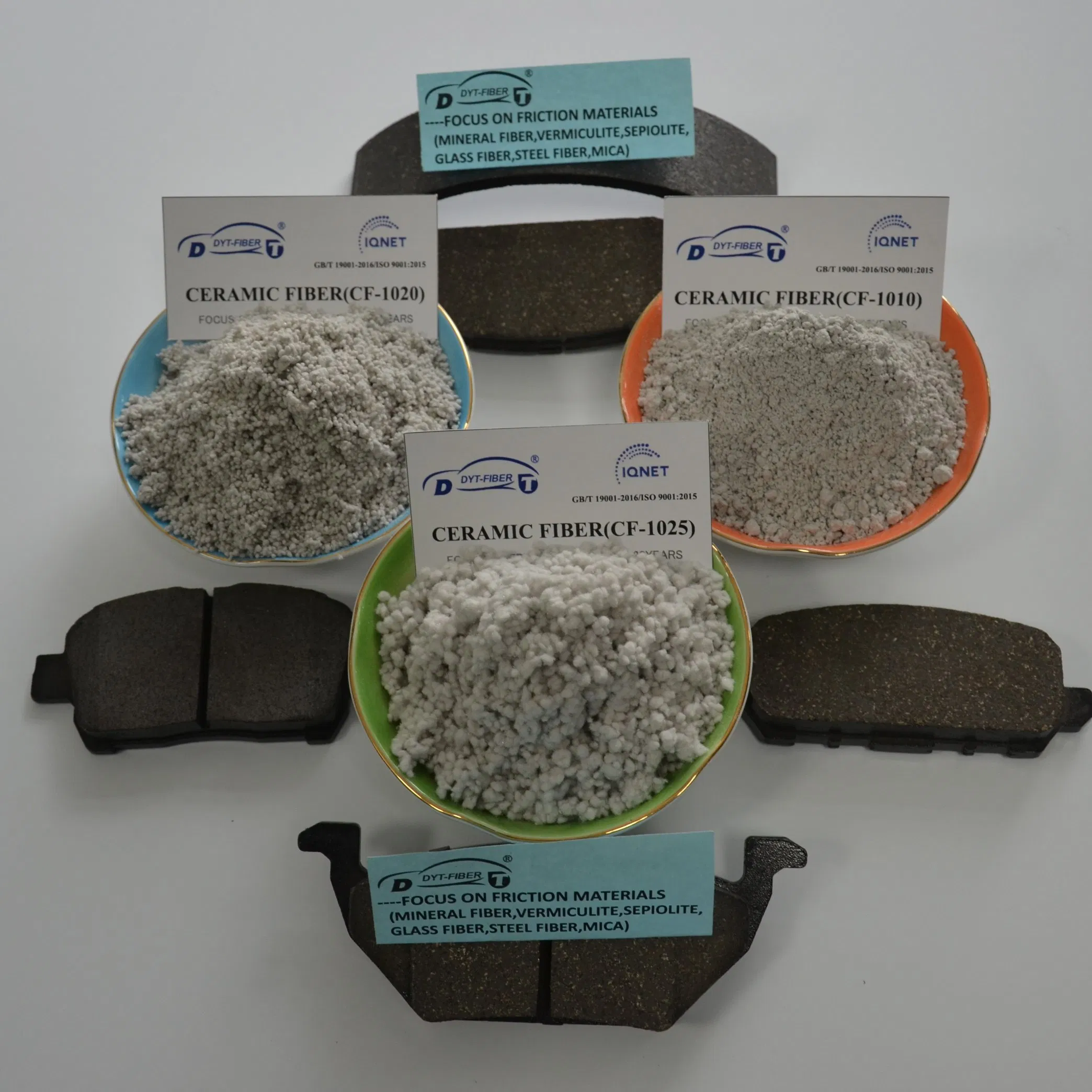
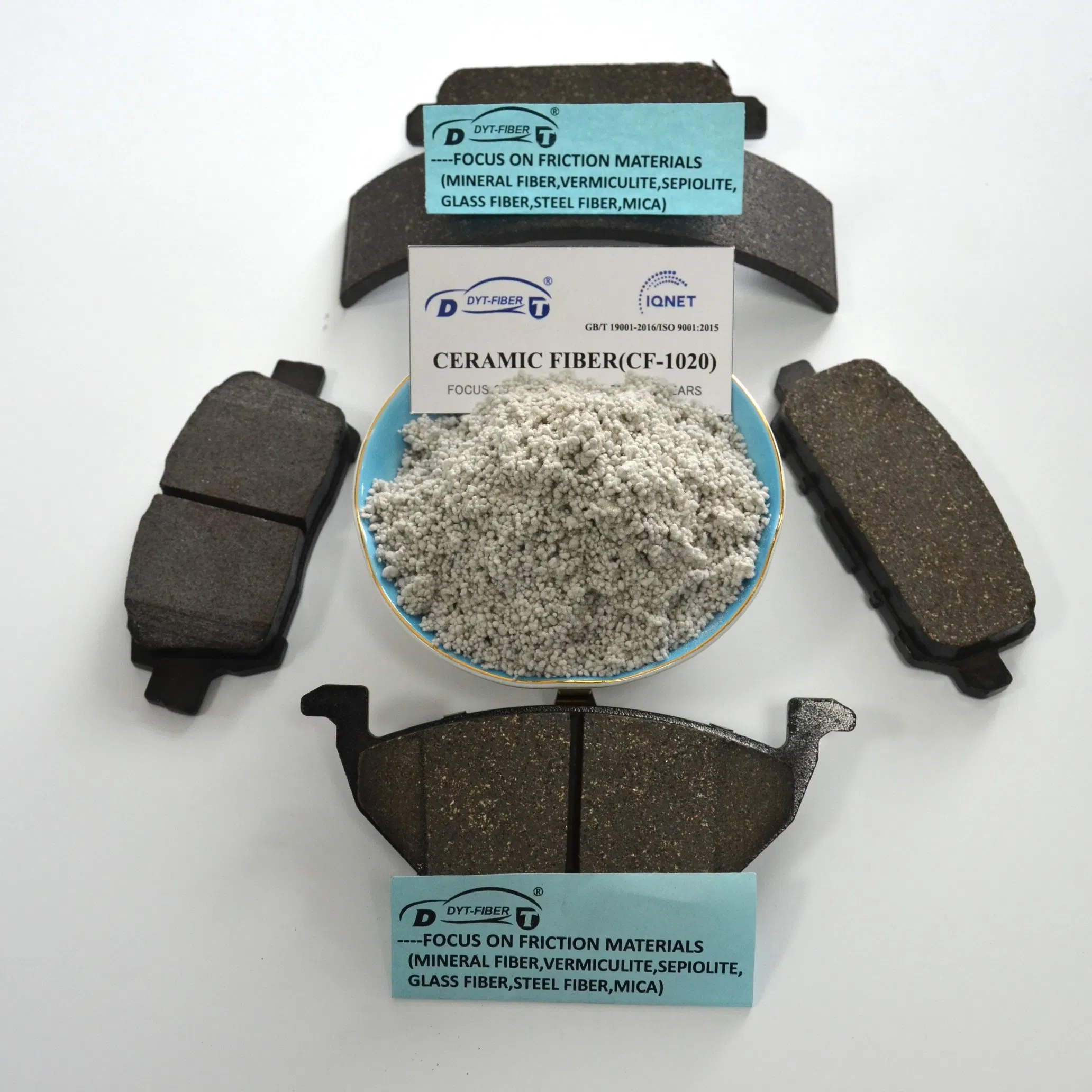
Friction Materials of Ceramic Fiber CF-1025 for Manufacturing Brake Pads and Brake Lining

Still deciding? Get samples of $ !
Order Sample

Product Description

i

Basic Specifications

Model NO.
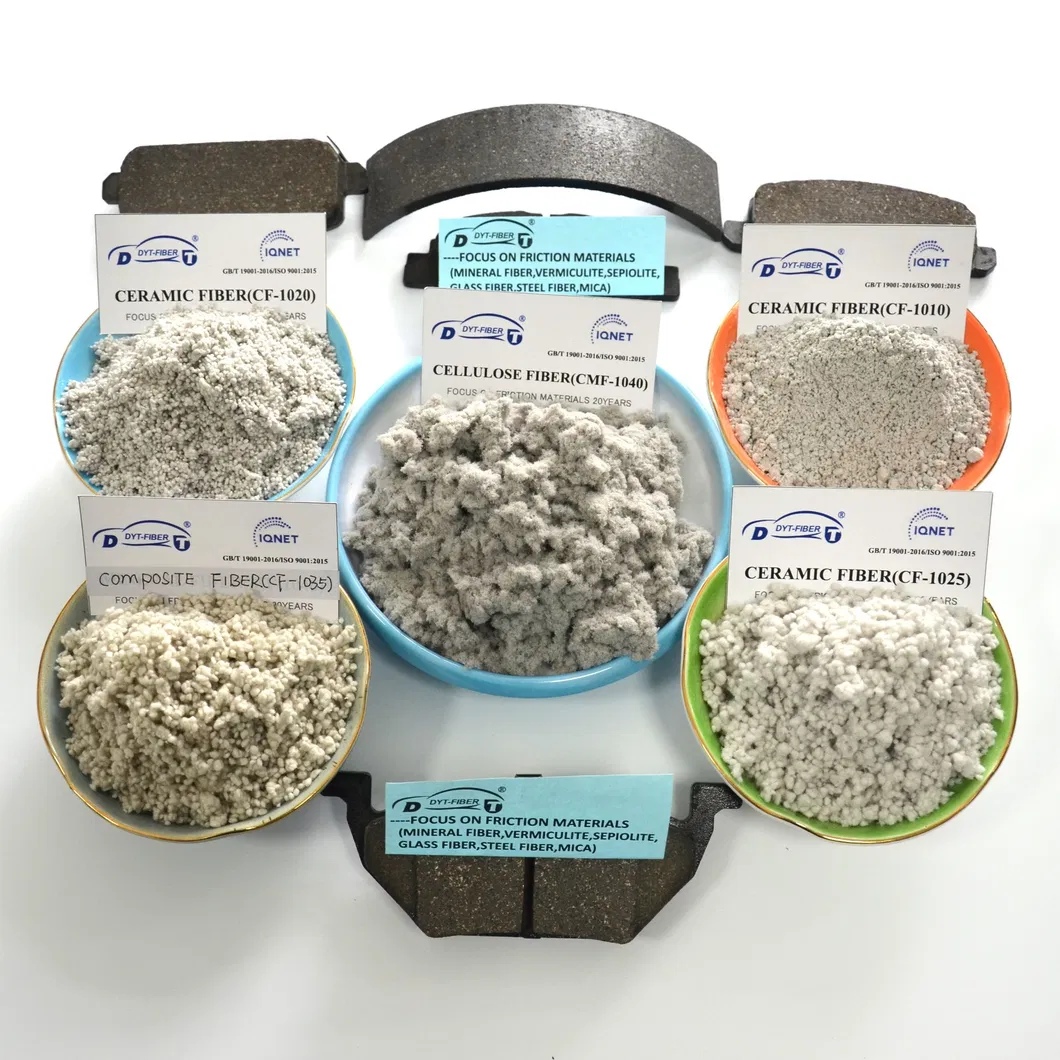
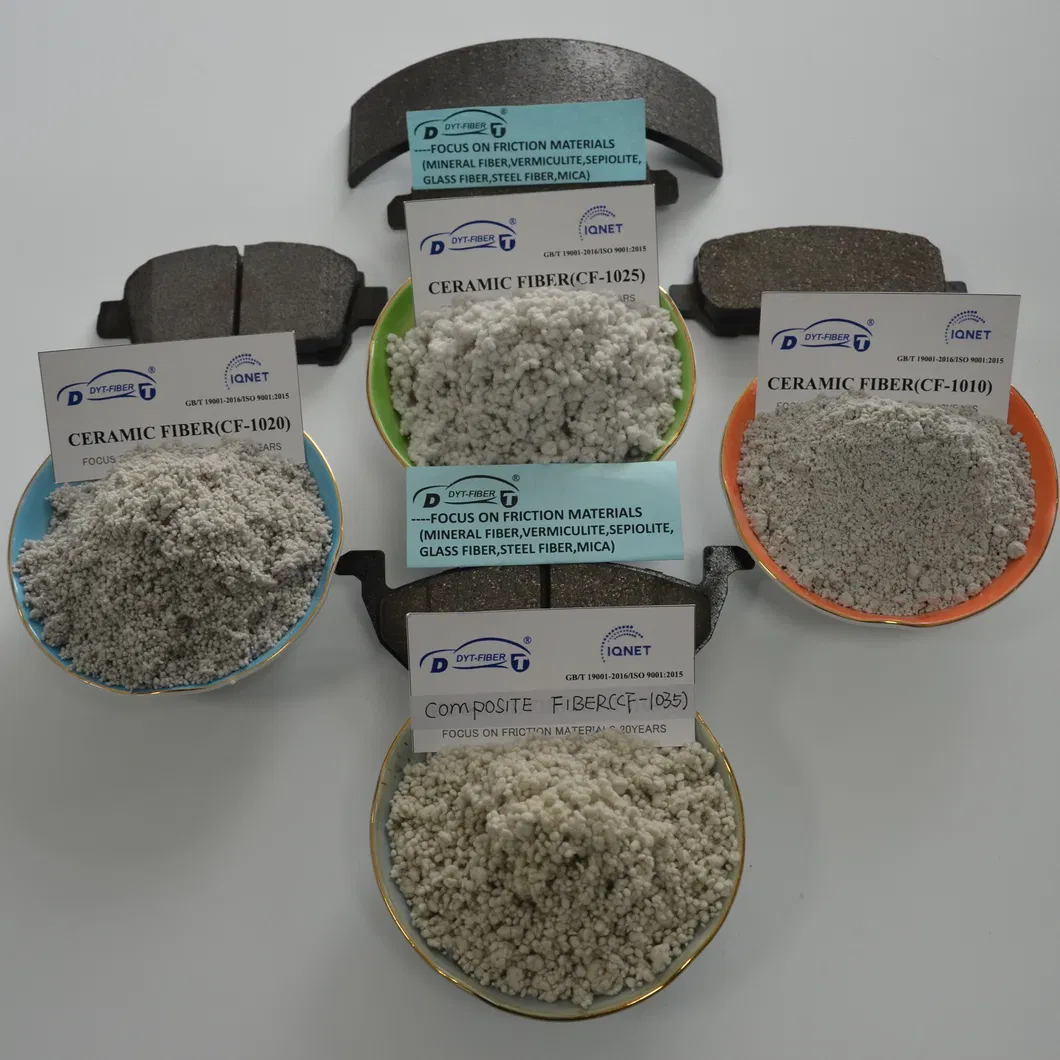
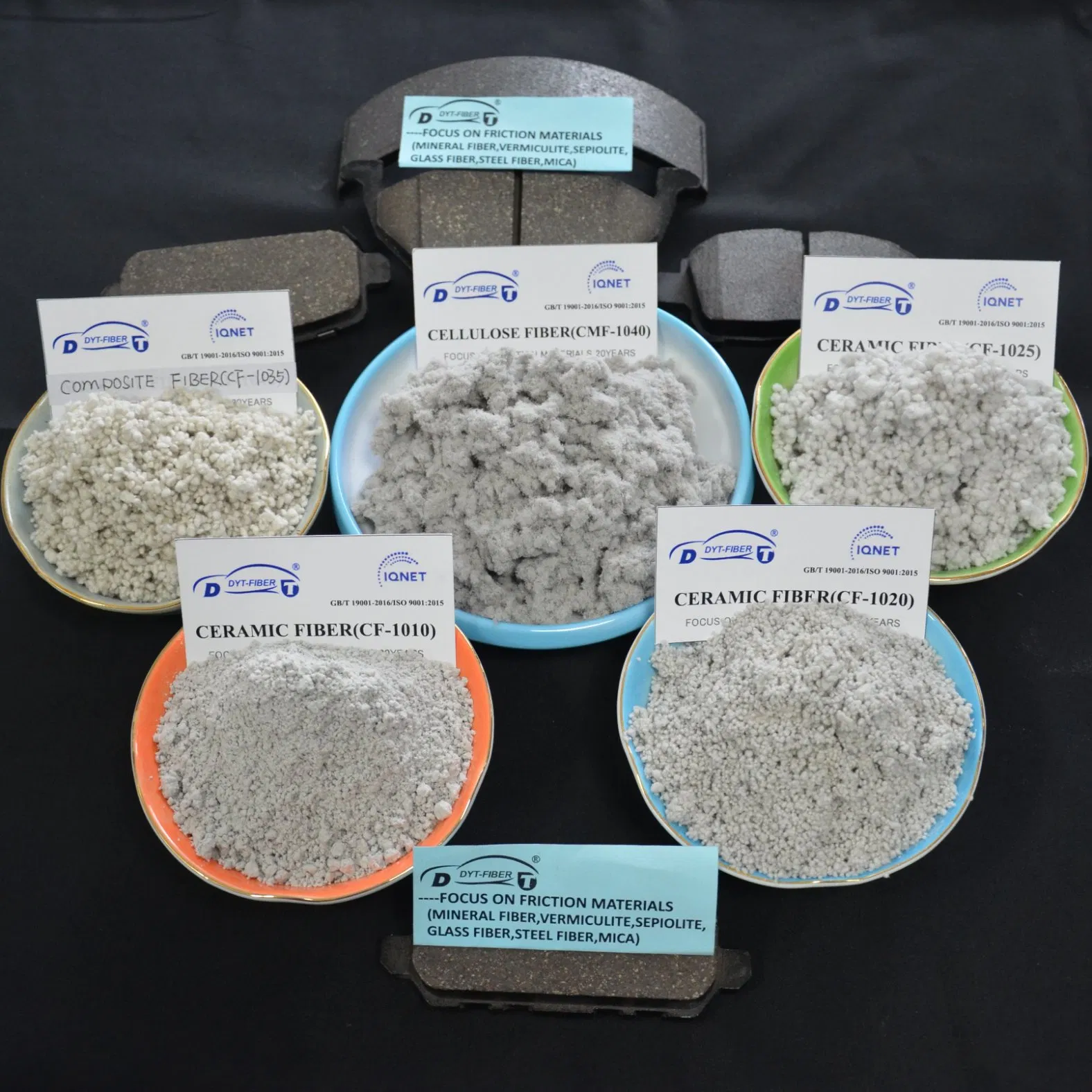
CF-1010, CF-1020, CF-1025, CF-1035, CMF-1040
Composition
SiO2, Al2O3.SiO2
Shape
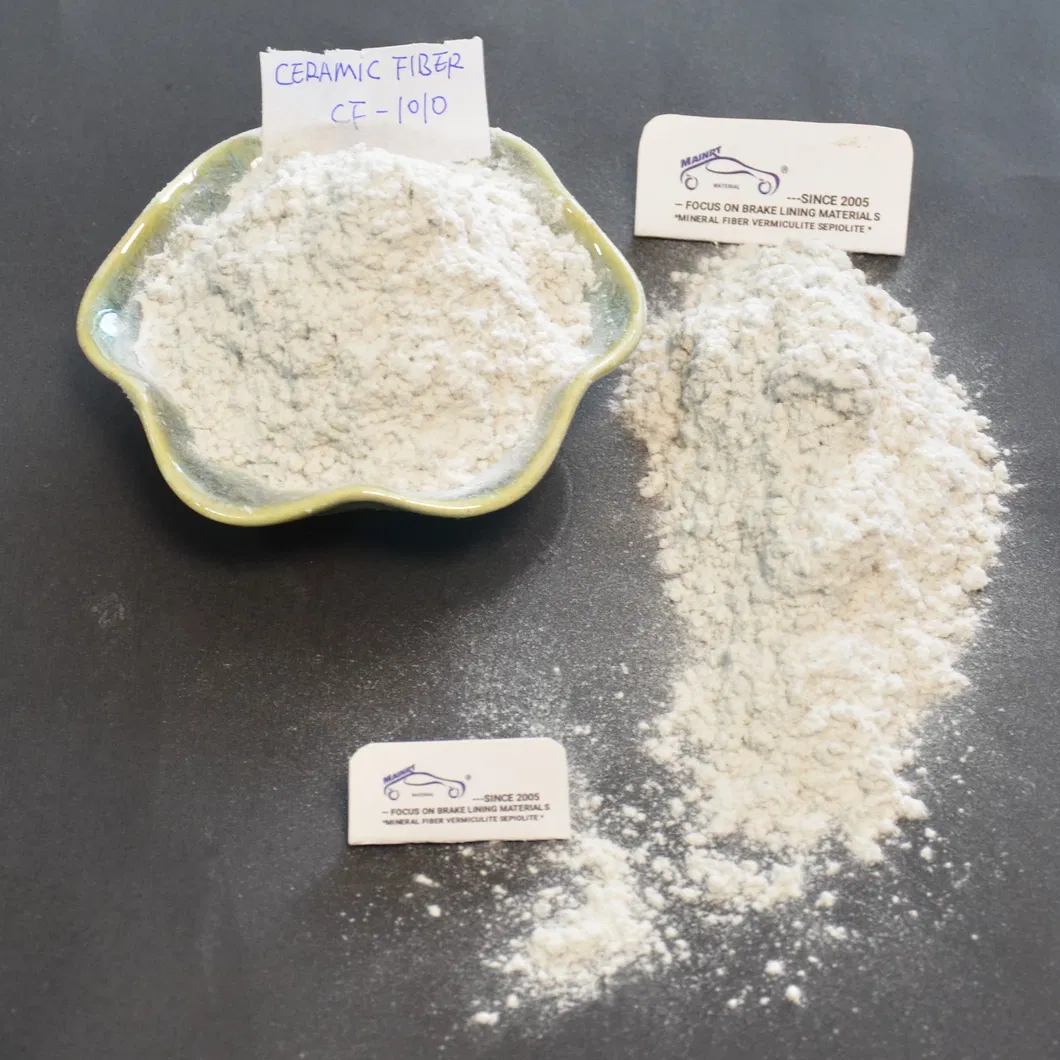
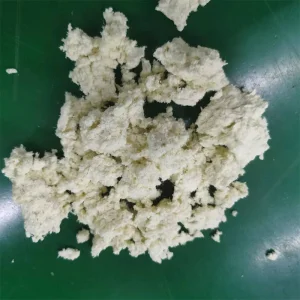
Ceramic Fiber Cotton
Technique
Jilt Silk Rug
Fiber Length
0.15--2.5mm
Fiber Diameter
4-9um
Color
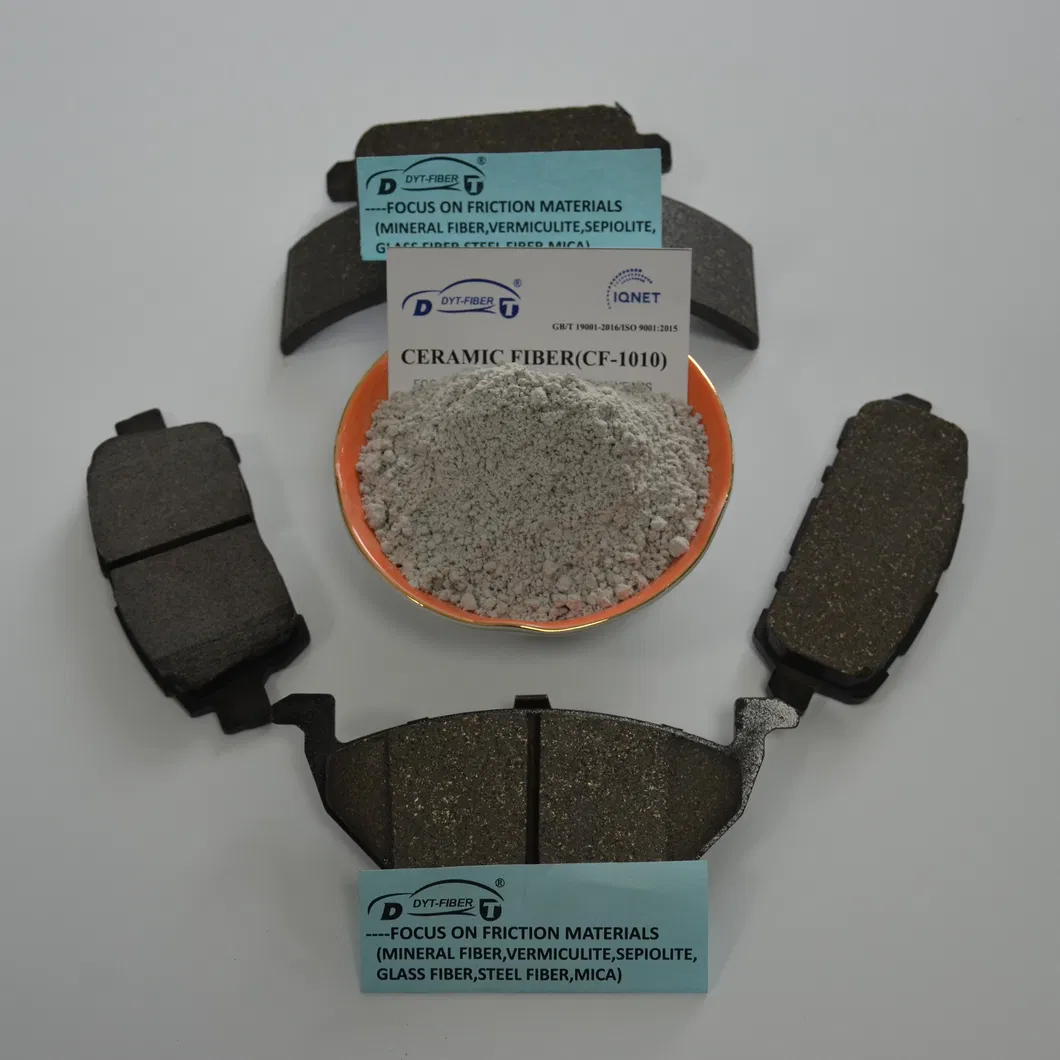
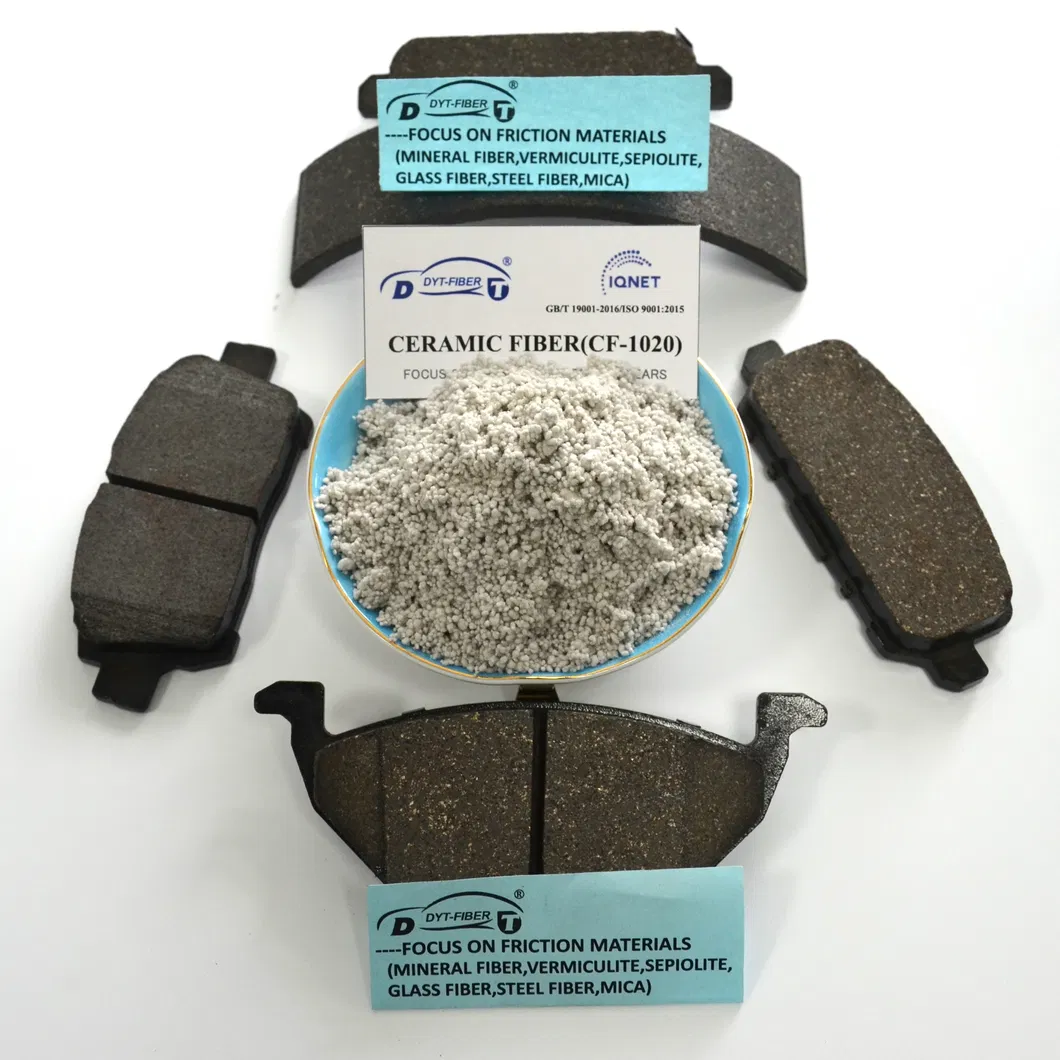
White or Greyish White
Softening Point
>1750°C
pH Value
7
Specific Gravity
0.25-0.45G/M3
HS Code
680690000
Package Size
85x55x20cm

Product Description

Aluminum silicate fiber: Raw materials include kaolin, coke gem, and pyrophyllite. The silicon dioxide and alumina content exceeds 96%.

Chemical Composition

SiO2Al2O3Fe2O3Na2O+K2O
45%-55%40-50%0.8%-1.0%0.2%-0.5%

Characteristics & Applications

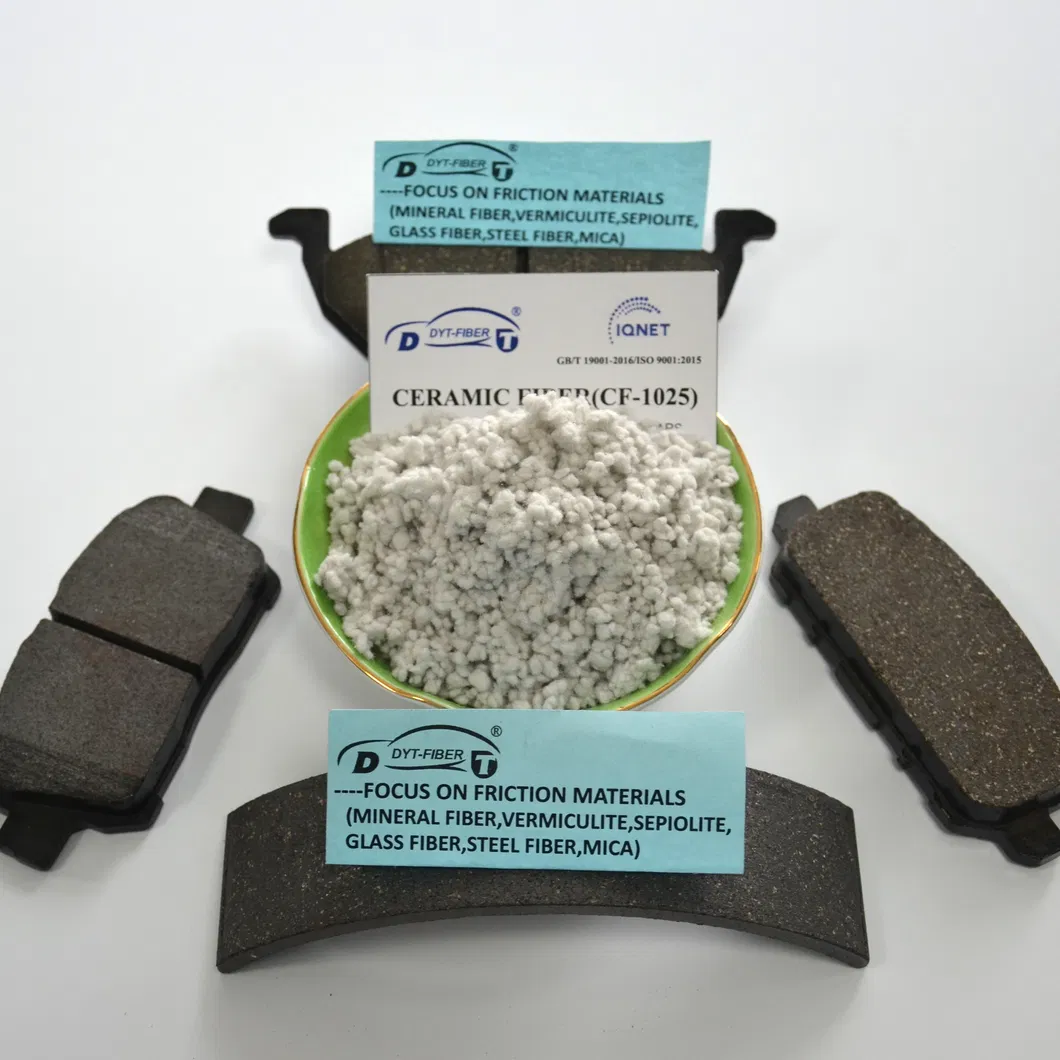
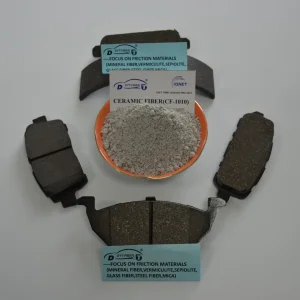
Our ceramic fiber features low heat conductivity, excellent thermal stability, chemical stability, and is non-caustic. Brake linings made from ceramic fiber exhibit high temperature resistance and decentrality. It is ideal for brake linings requiring heat recovery capacity and is compatible with all types of mixers.

Recommendatory Dosage:
• Brake Drum: 20-35%
• Brake Disc: 10-25%

Technical Indicators (CF-1025)

ProjectIndex (%)
Average fiber length0.15--2.5mm
Average fiber diameter4-9um
Specific Gravity0.25-0.45g/m3
Softening Point>1750°C
Shot Content (>120mesh)<20

Composite Fiber Series (CF-1035, CF-1025)

This non-asbestos synthetic fiber is composed of mineral fiber (70%), organic fiber (30%), and surface treatment agents. It offers excellent dispersion and is specifically optimized for cold-type two-step brake lining production processes.

ProjectIndicators
Specific Gravity2.25g/cm³
Fiber length1.0-3.5mm
Loose density800-1100 cm³/100g
Burn loss (800ºC)28-32%
Main ingredientsMineral Fiber 70%, Cellulose Fiber 30%
!

Safety & Storage

Storage Guidelines

Must be stored in a cool, dry place to prevent moisture penetration. Opened packs should be resealed as soon as possible to maintain product integrity.
Industrial Safety

  1. Risk of explosion by static sparks or ignition sources.
  2. Use only explosion-proof equipment.
  3. Operate with local exhaust ventilation.
  4. Wear protective eyeglasses or chemical safety goggles.
?

Frequently Asked Questions

What is the main application of these ceramic fibers?
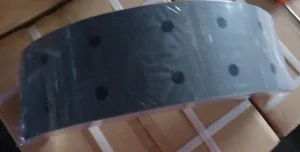
They are primarily used as friction materials for manufacturing high-quality brake pads, brake drums, and brake linings due to their thermal stability.
What temperature can this material withstand?
The softening point of our ceramic fiber is above 1750°C, making it suitable for high-temperature industrial applications.
Is the fiber asbestos-free?
Yes, the technical indicators confirm that the fiber asbestos content is 0, ensuring safety and compliance with environmental standards.
How is the product packaged for transport?
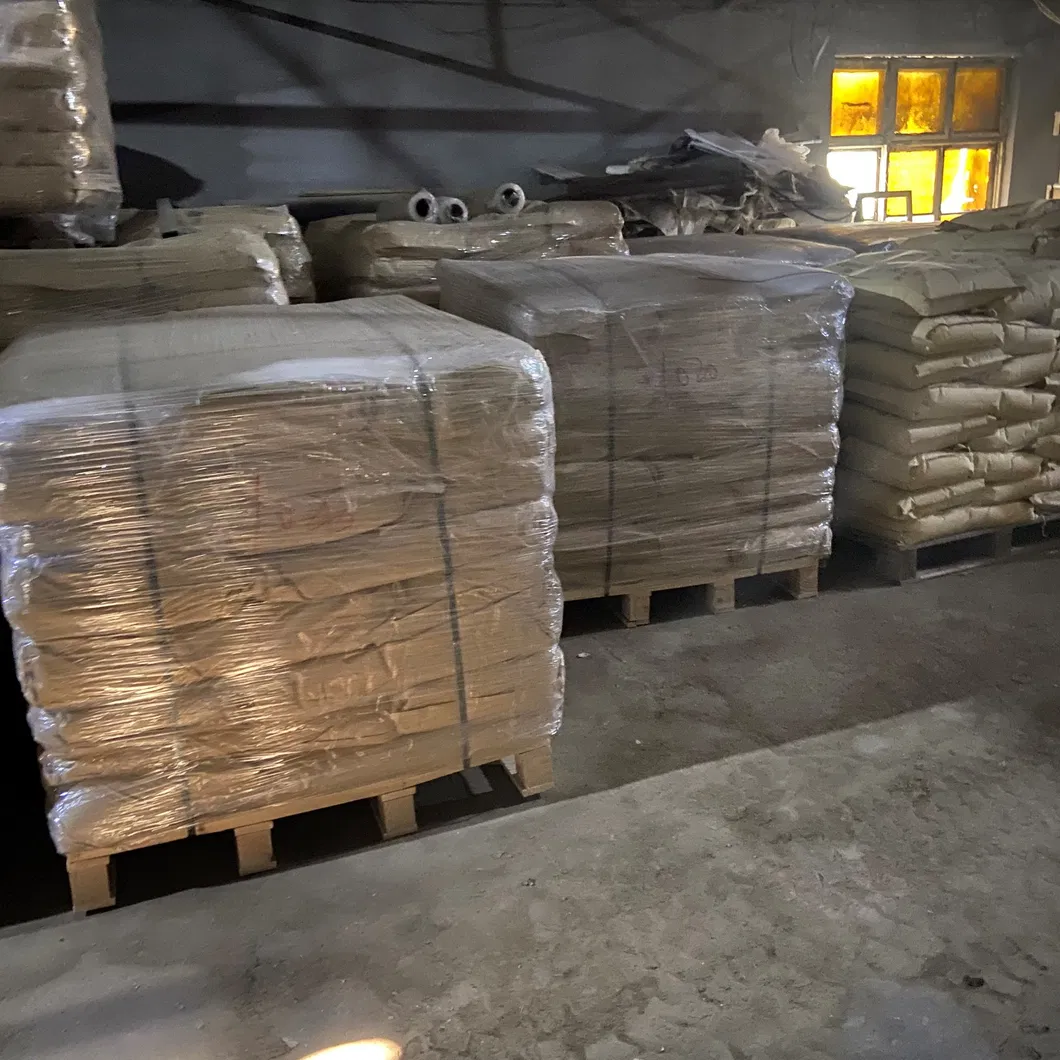
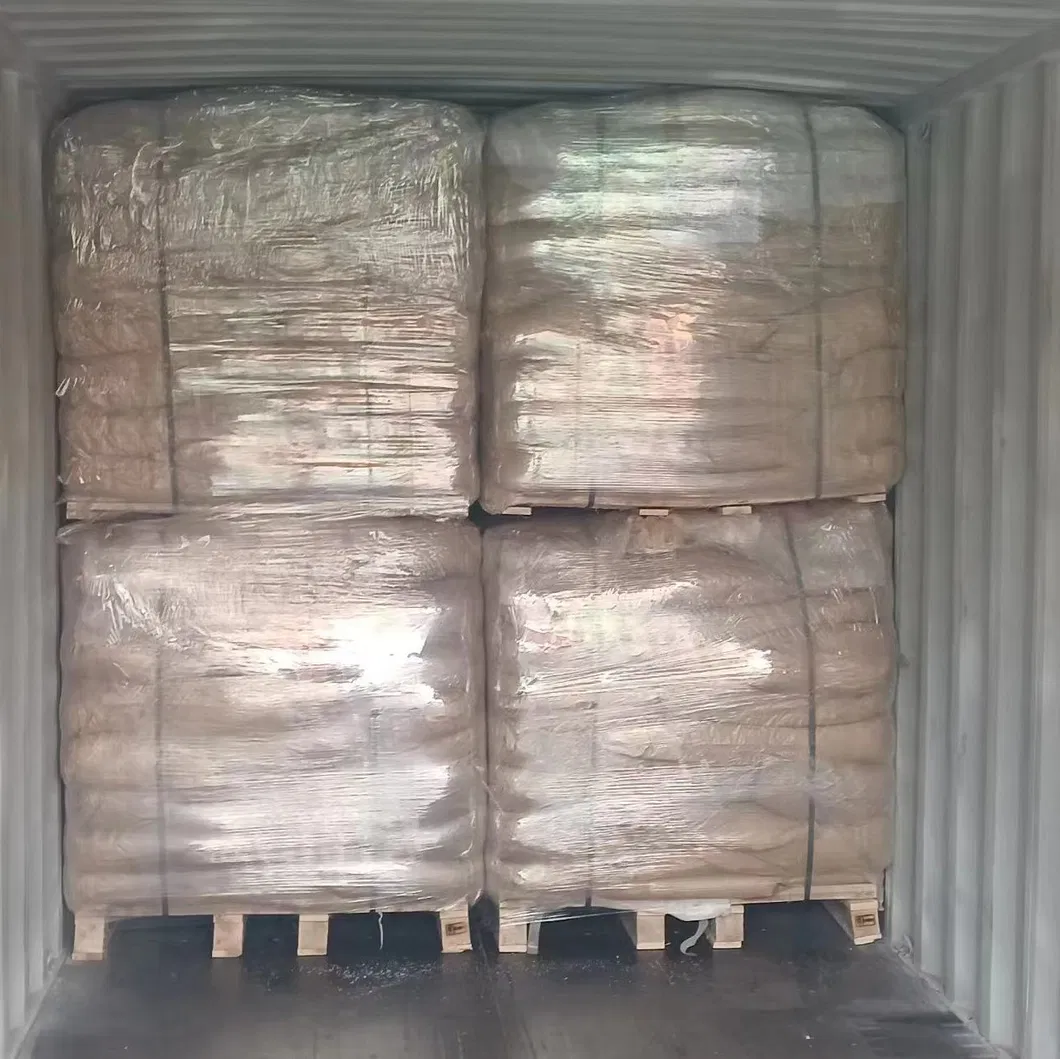
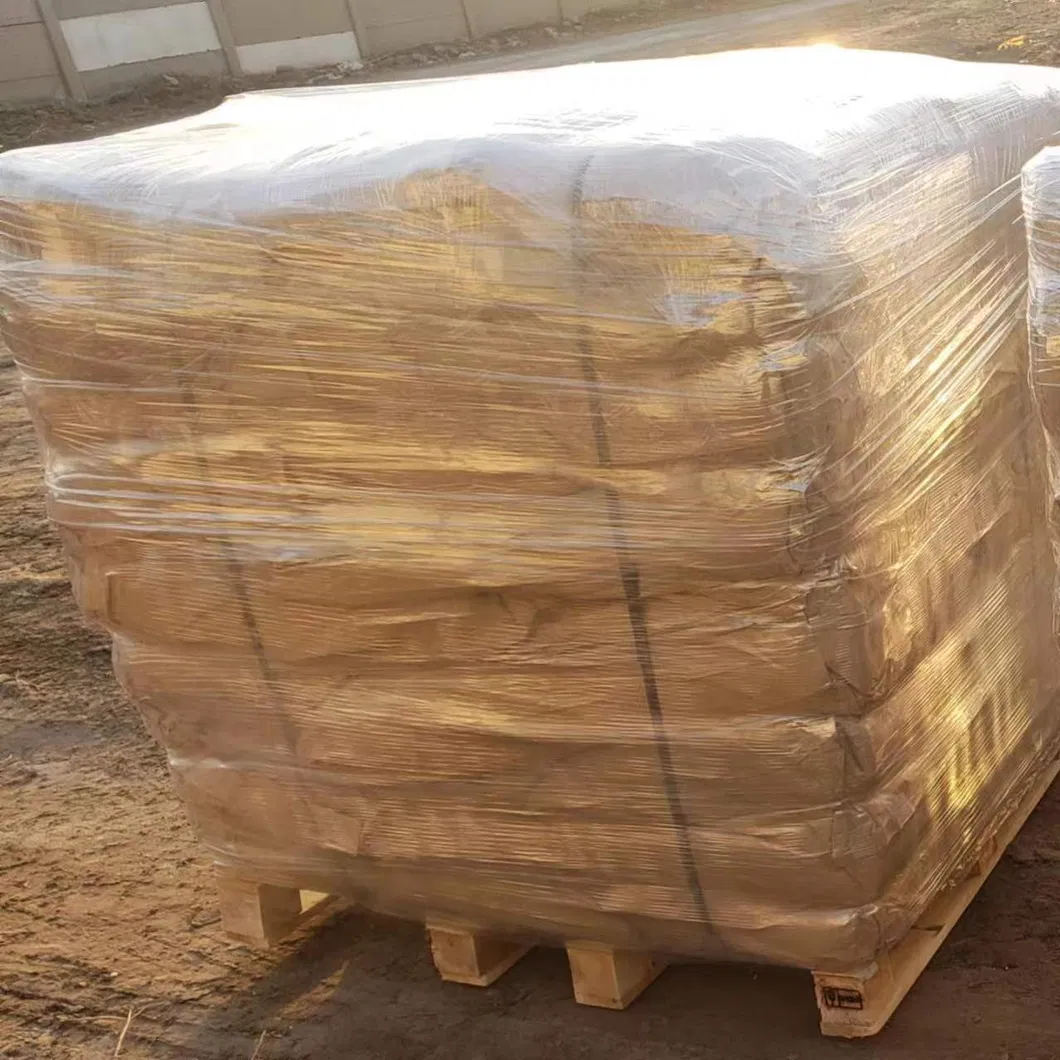
It is typically packed in 25kg 3-ply sacks, stacked on wooden pallets, then strapped and shrink-wrapped for secure delivery.
What is the recommended dosage for brake disc production?
For brake discs, we recommend a dosage of 10-25% depending on the specific formulation requirements.
Does the composite fiber require additional organic fibers?
No, when using our composite fiber (which contains 30% cellulose fiber), there is typically no need to add additional organic fibers during the mixing process.

Related Products