The global automotive industry is shifting from reactive maintenance to Predictive Brake Management. Manufacturers and logistics fleets worldwide are integrating advanced monitoring systems to reduce downtime and ensure road safety.
Electric Vehicles (EVs) and Autonomous Driving are driving the demand for digital wear sensors. These systems now provide real-time data to onboard computers, optimizing the lifespan of friction materials.
With increasing ECE R90 and ISO certifications, factories must provide traceable, high-quality components that guarantee performance under extreme thermal stress.
Modern Brake Wear Monitoring Systems utilize electric circuit sensors embedded within the brake pad. When the friction material reaches a critical thinness, the circuit is broken, triggering an immediate dashboard alert. This technology is vital for preventing rotor damage and catastrophic brake failure.
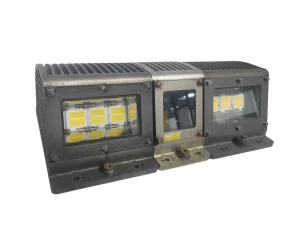
In the industrial sector—ranging from mining haul trucks to high-speed rail—monitoring systems must withstand mud, dust, and intense vibrations. Reliable manufacturers focus on "contactless" or "heavy-duty" sensor designs that maintain accuracy in the harshest environments.
Beyond simple alerts, the new generation of BWMS connects to telematics. Fleet managers can now monitor the brake health of hundreds of vehicles from a central dashboard, scheduling maintenance exactly when needed, saving thousands in labor and parts costs.
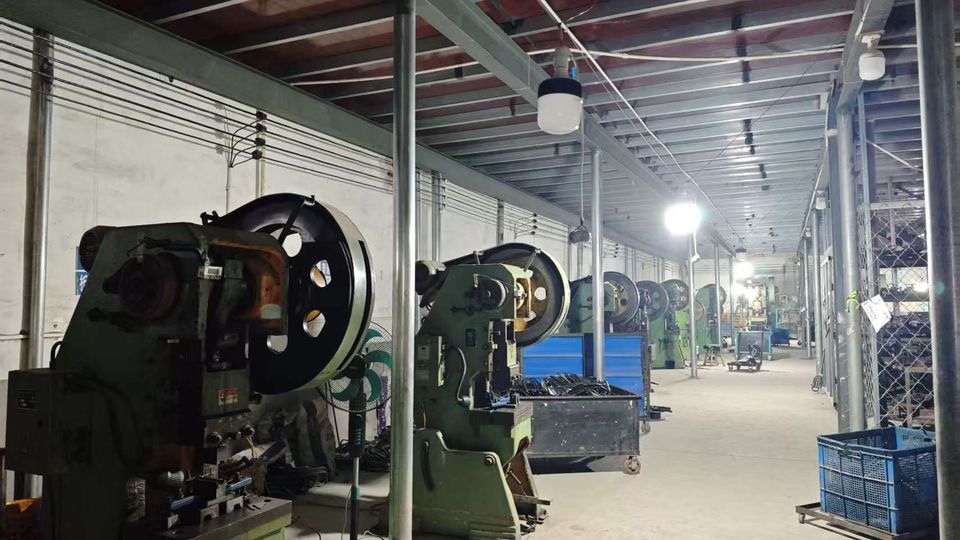
Hangzhou MOAD AUTO Co., Ltd. is a professional manufacturer specializing in brake system components, including brake pads, brake rotors, and automotive friction materials. Located in Hangzhou, China, the company integrates research and development, production, quality control, and global sales to provide reliable braking solutions for international automotive markets.
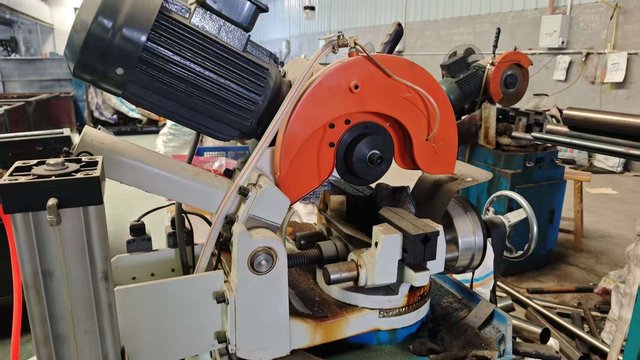
With a strong technical team and advanced manufacturing facilities, MOAD AUTO is committed to delivering high-performance products that meet strict industry standards for safety, durability, and consistency. Our brake components are widely used in passenger vehicles, commercial vehicles, and various aftermarket applications, ensuring stable braking performance under different driving conditions.
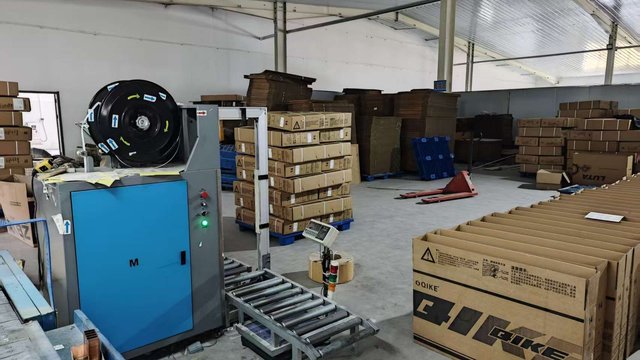
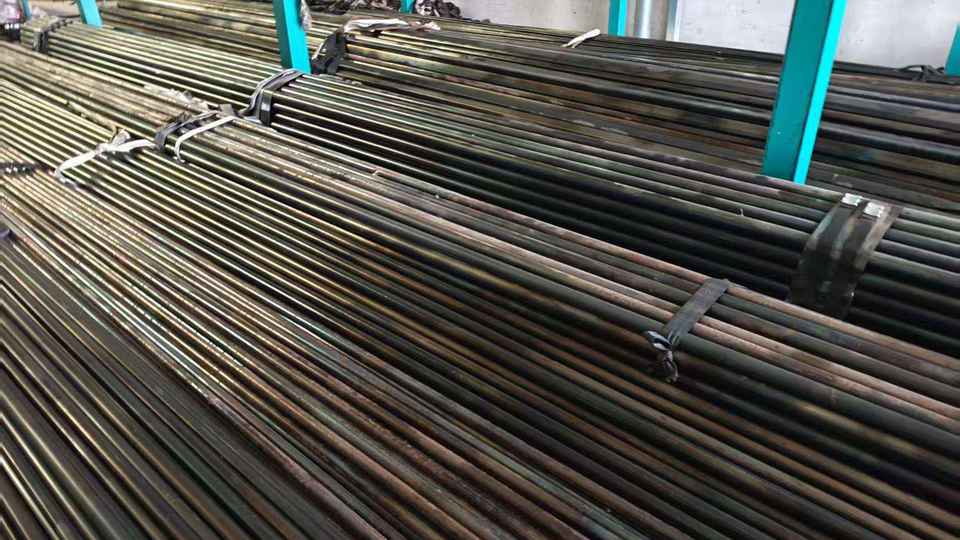
Hangzhou MOAD AUTO Co., Ltd. continuously invests in innovation and process improvement, utilizing modern equipment and precise testing systems to maintain consistent product quality. Every stage of production, from raw material selection to final inspection, is strictly controlled to ensure reliability and long service life.
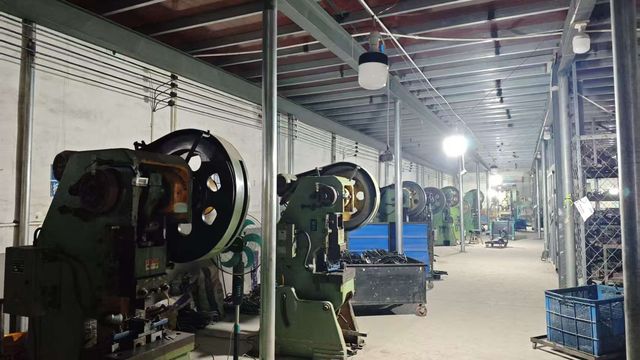
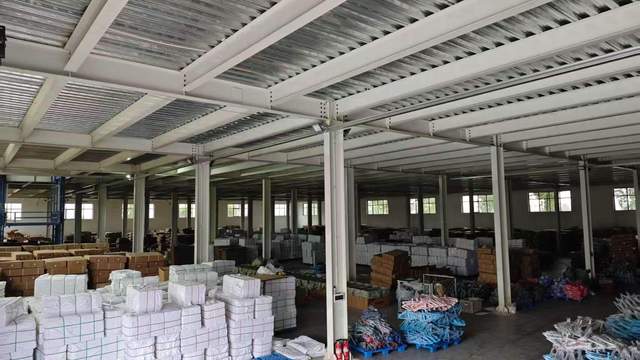
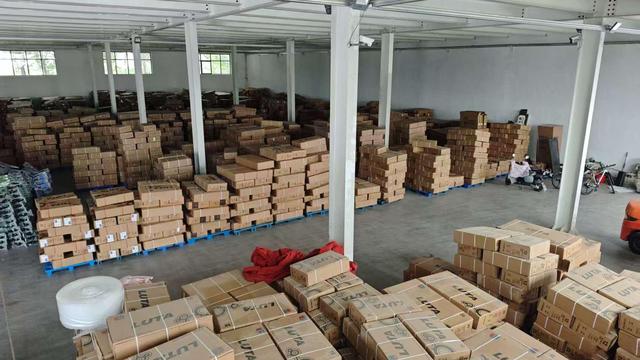

We provide customized solutions to meet specific customer requirements, supporting OEM and aftermarket partners with flexible production capabilities and efficient supply chain services.
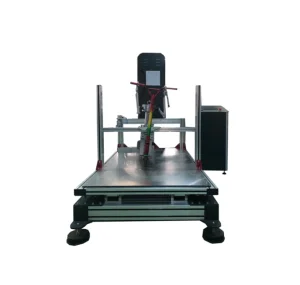
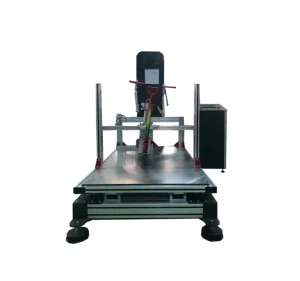
Our facility utilizes Link Dynamometers and NVH (Noise, Vibration, Harshness) testing labs to ensure every batch of brake pads and sensors meets global safety thresholds.
Based in Hangzhou, we leverage China's world-class logistics infrastructure to ensure rapid delivery to Europe, North America, and Southeast Asia.
Guided by the principles of quality, integrity, and customer satisfaction, MOAD AUTO is dedicated to building long-term partnerships and delivering dependable brake system solutions to clients worldwide, contributing to safer and more efficient mobility.
In cities like London or New York, bus fleets utilize our wear monitoring systems to maximize uptime. Real-time alerts allow maintenance during off-peak hours, ensuring city mobility is never compromised.
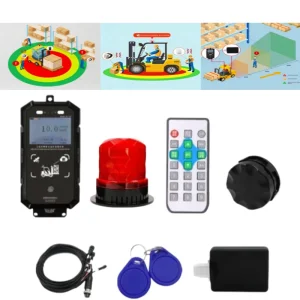
Forklift safety is paramount. Our integrated systems, including GPS Anti-Collision and brake monitoring, create a comprehensive safety net for modern warehouse operations.
Dusty and high-altitude environments require sensors with superior sealing. Our factory produces specialized sensors that operate flawlessly in the resource-rich regions of Australia and South America.
Detection Accuracy
OEM Partnerships
Years of R&D Experience
As a leading Brake Wear Monitoring Systems manufacturer, we understand that the sensor is only as good as the brake pad it monitors. Our engineering team focuses on the chemical composition of friction materials—ranging from ceramic and semi-metallic to low-steel formulations. This expertise ensures that the thermal expansion of the brake pad does not provide false readings to the monitoring system.
Furthermore, our reliability is backed by rigorous testing. We simulate thousands of braking cycles under varied weather conditions. From the humid coastal regions of Southeast Asia to the freezing winters of Northern Europe, our products are engineered to maintain structural integrity. Our commitment to ISO/CE standards ensures that international buyers can source with confidence, knowing each product has been vetted for global compliance.
 MOAD AUTO