Explore our CE and ECE R90 certified automotive brake technology inventory, tailored for light passenger vehicles, heavy-duty commercial fleets, and specialized machinery.
A comprehensive analysis of dynamic thermal dissipation, low-copper friction dynamics, and electro-hydraulic control integration in modern vehicle architectures.
Modern automotive braking systems require an intricate balance between immediate kinetic energy dissipation and long-term mechanical resistance. CE Certified Automotive Brake Technology Factories prioritize friction coefficients ranging between 0.35 and 0.45 $\mu$ under operational temperatures exceeding 600°C. Modern formulations utilize hybrid ceramic matrices, synthetic aramid fibers, and non-asbestos organic (NAO) compounds to minimize both NVH (Noise, Vibration, Harshness) and brake dust particulate release.
Through severe Inertial Dynamometer testing, current friction formulations guarantee minimal thermal fade (shear strength decay below 5% at maximum operational heat), preventing pedal sponge-ness during aggressive descending mountain grades or continuous heavy-duty vehicle operation.
As electric vehicles (EVs) and autonomous driving protocols become global benchmarks, physical hydraulic linkages are transitioning toward Electro-Mechanical Braking (EMB) and Integrated Brake Control (IBC) systems. Smart brake exporters provide components capable of millisecond-level reaction times needed for regenerative braking blending.
By decoupling the brake pedal feel from direct hydraulic displacement, brake fluid dynamics can be continuously modulated via Electronic Control Units (ECUs), allowing instantaneous transition between electric motor regenerative drag and high-pressure hydraulic caliper engagement without compromising driver feedback or stability controls (ABS/ESP).
Mitigating supply chain risks by pairing stringent CE Directive standards with rigorous OEM procurement audit frameworks.
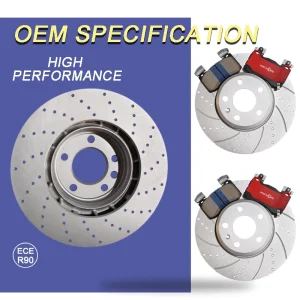
Procuring automotive braking components across international borders necessitates absolute compliance with regional safety frameworks. European directives (specifically ECE R90) require aftermarket replacement friction materials to perform within a ±15% tolerance window of the original equipment manufacturer (OEM) benchmark. Achieving CE certification involves continuous third-party audits of automated production lines, batch-level shear resistance testing, and full compliance with environmental guidelines like REACH and California's copper-free friction legislation (SB 346).
Demands strict physical testing including cold performance, speed sensitivity, and thermal decay. Every batch exported must be stamped with accredited certification codes, certifying safety under high-speed Autobahn conditions.
Requires compliance with FMVSS 105/121 standards alongside Edge Codes denoting friction coefficient bands at ambient and elevated temperatures (e.g., FF rating for passenger cars, GG for heavy commercial duties).
Combining automated hot-pressing, multi-axis CNC finishing, and real-time laser gauging to deliver high-volume consistency with unmatched speed-to-market.
Hangzhou MOAD AUTO Co., Ltd. is a professional manufacturer specializing in brake system components, including brake pads, brake rotors, and automotive friction materials. Located in Hangzhou, China, the company integrates research and development, production, quality control, and global sales to provide reliable braking solutions for international automotive markets.
With a strong technical team and advanced manufacturing facilities, MOAD AUTO is committed to delivering high-performance products that meet strict industry standards for safety, durability, and consistency. Our brake components are widely used in passenger vehicles, commercial vehicles, and various aftermarket applications, ensuring stable braking performance under different driving conditions.
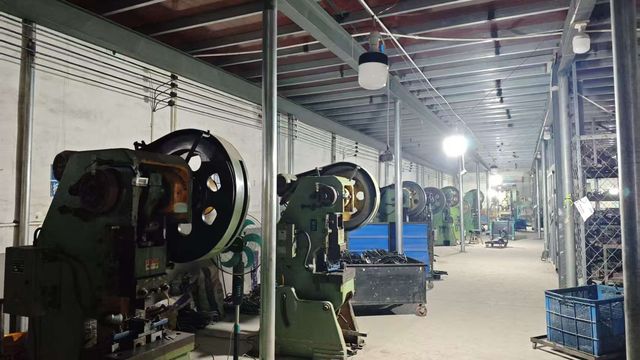
Hangzhou MOAD AUTO Co., Ltd. continuously invests in innovation and process improvement, utilizing modern equipment and precise testing systems to maintain consistent product quality. Every stage of production, from raw material selection to final inspection, is strictly controlled to ensure reliability and long service life.
We also provide customized solutions to meet specific customer requirements, supporting OEM and aftermarket partners with flexible production capabilities and efficient supply chain services. Guided by the principles of quality, integrity, and customer satisfaction, MOAD AUTO is dedicated to building long-term partnerships and delivering dependable brake system solutions to clients worldwide, contributing to safer and more efficient mobility.

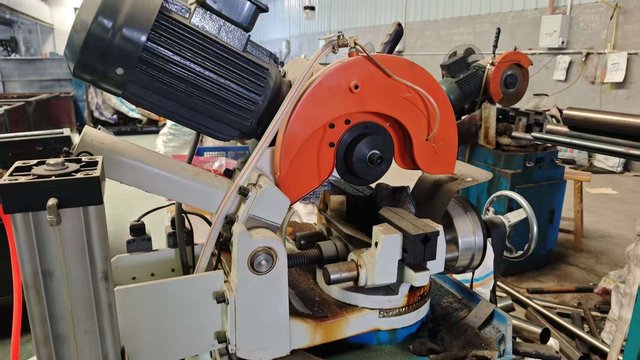
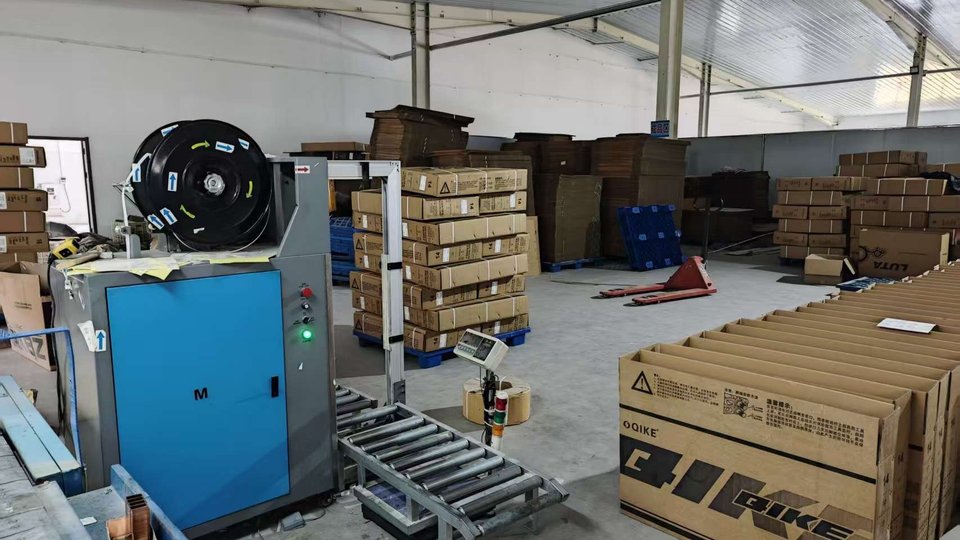
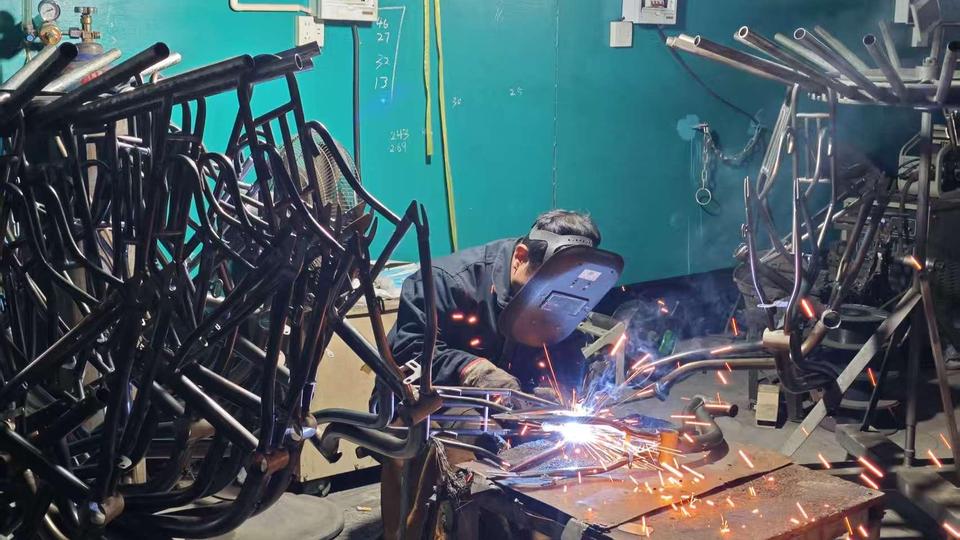
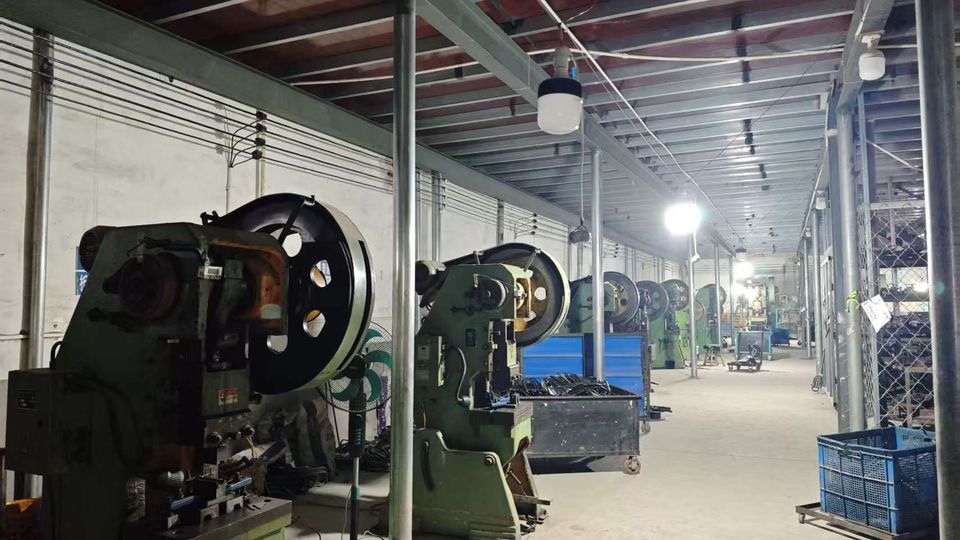
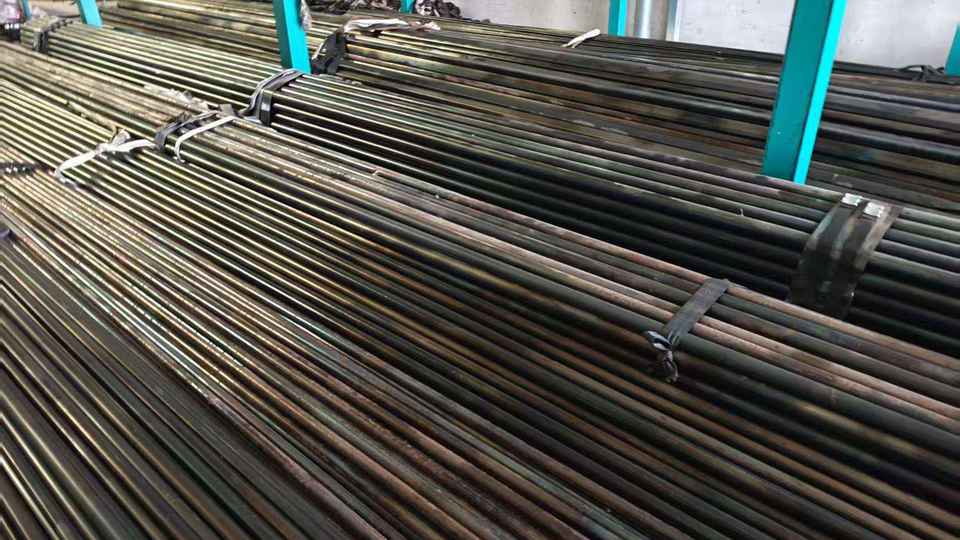
Braking systems engineered specifically to combat extreme thermal cycles, corrosive marine humidity, sub-zero arctic terrain, and heavy payload strains.
In northern European and Nordic winter environments, hydraulic fluid viscosity increases and friction materials face severe initial thermal shock. OEM-grade brake technology incorporates specialized anti-hygroscopic synthetic fluids and micro-grooved friction surfaces to purge ice crystals instantly, guaranteeing immediate bite force upon pedal initialization even at -40°C.
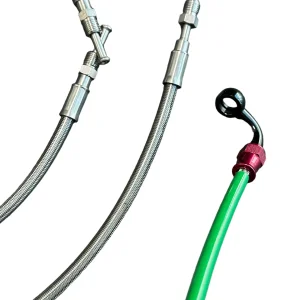
Coastal logistics and regions employing road de-icing salts present extreme galvanic oxidation risks to metal backing plates, calipers, and hydraulic lines. Utilizing multi-layer Geomet coatings and 304-grade stainless steel braided PTFE lines ensures 1000+ hours of continuous salt-spray resistance (ASTM B117), eliminating premature brake binding and rust-jacking.
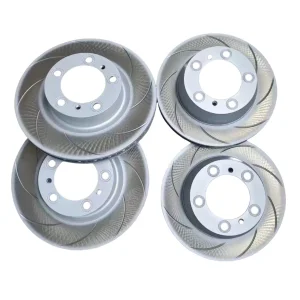
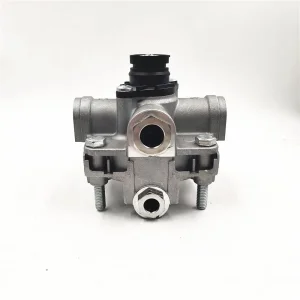
Continuous downhill braking for 40-tonne commercial haulage trucks generates rotor temperatures exceeding 700°C. Heavy-duty relay valves and pneumatic drum/disc configurations are optimized with thermal expansion slots and ventilated cast-iron alloys, preventing catastrophic disc cracking and keeping pneumatic pressure activation symmetrical across all trailer axles.
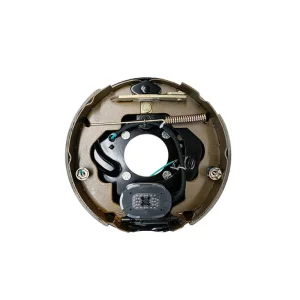
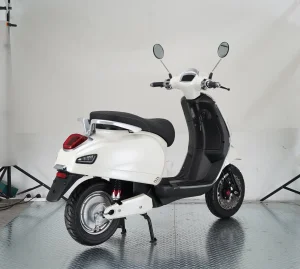
Low-mass electric golf carts, scooters, and recreational vehicles demand ultra-quiet operation combined with low maintenance intervals. Fully encapsulated electric drum units and custom aluminum alloy components offer maintenance-free operation across thousands of urban stop-and-go cycles.
Expert answers addressing regulatory approvals, material formulations, quality testing, and global logistics options for enterprise buyers.
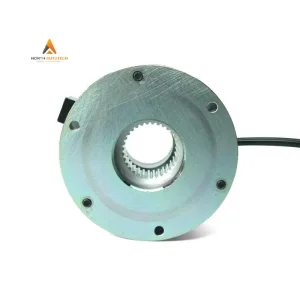
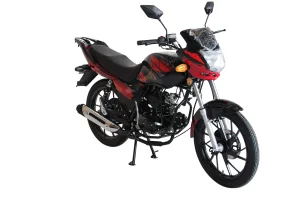
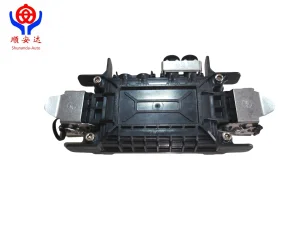
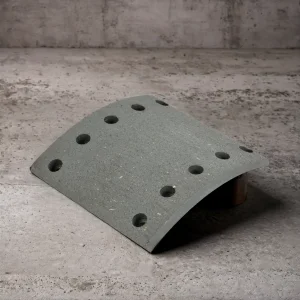
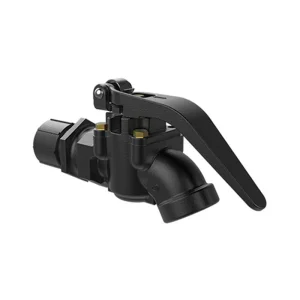
Explore specialized braking hardware including electric drum conversions, anti-lock system ECUs, gas scooter assemblies, and railway angle cocks.
 MOAD AUTO