The global automotive Brake System Engineering sector is currently navigating through a transformative era, driven by the surge in Electric Vehicle (EV) adoption and the stringent safety regulations in North America, Europe, and Asia. As the backbone of automotive safety, the engineering of braking components—including hydraulic hoses, ceramic friction materials, and sophisticated dynamometer testing systems—has shifted from basic mechanical assembly to complex, tech-integrated production.
Globally, the industrial demand is moving toward lightweight, low-dust, and noise-free solutions. Manufacturers are now required to adhere to international standards like SAE J1401 for hydraulic systems and SAE J1402 for air brake assemblies, ensuring that every component can withstand extreme pressures and corrosive environments. From passenger cars like Audi and Toyota to heavy-duty industrial trucks, the reliability of the brake system is non-negotiable.
Integration of Regenerative Braking and the rise of copper-free friction materials to meet environmental "Leaf" marks.
Global buyers prioritize DOT-certified supply chains that offer both OEM precision and aftermarket cost-efficiency.
Increasing use of Hysteresis and Eddy Current Dynamometers for real-time motor and brake performance simulation.
Hangzhou MOAD AUTO Co., Ltd. is a professional manufacturer specializing in brake system components, including brake pads, brake rotors, and automotive friction materials. Located in Hangzhou, China, the company integrates research and development, production, quality control, and global sales to provide reliable braking solutions for international automotive markets.
With a strong technical team and advanced manufacturing facilities, MOAD AUTO is committed to delivering high-performance products that meet strict industry standards for safety, durability, and consistency. Our brake components are widely used in passenger vehicles, commercial vehicles, and various aftermarket applications, ensuring stable braking performance under different driving conditions.
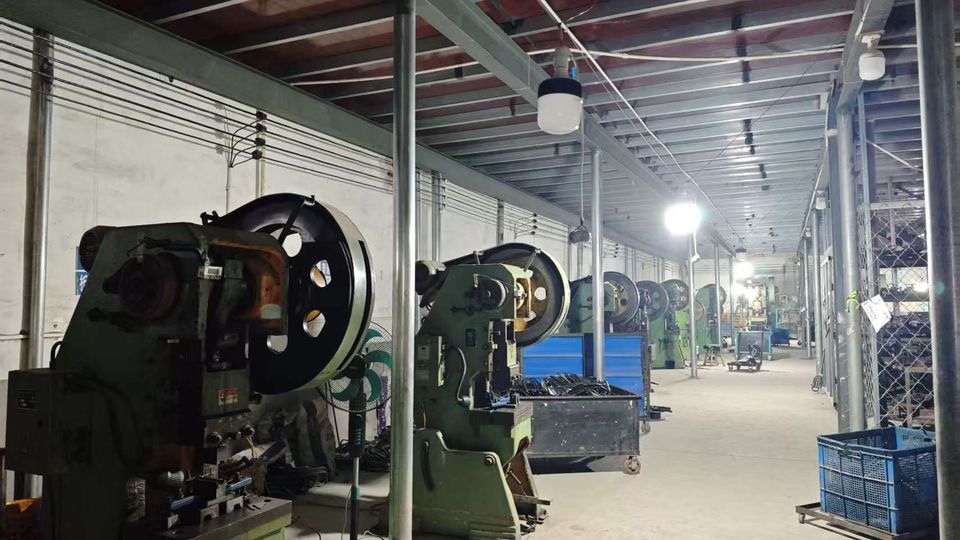
Hangzhou MOAD AUTO Co., Ltd. continuously invests in innovation and process improvement, utilizing modern equipment and precise testing systems to maintain consistent product quality. Every stage of production, from raw material selection to final inspection, is strictly controlled to ensure reliability and long service life.
We also provide customized solutions to meet specific customer requirements, supporting OEM and aftermarket partners with flexible production capabilities and efficient supply chain services. Guided by the principles of quality, integrity, and customer satisfaction, MOAD AUTO is dedicated to building long-term partnerships and delivering dependable brake system solutions to clients worldwide, contributing to safer and more efficient mobility.
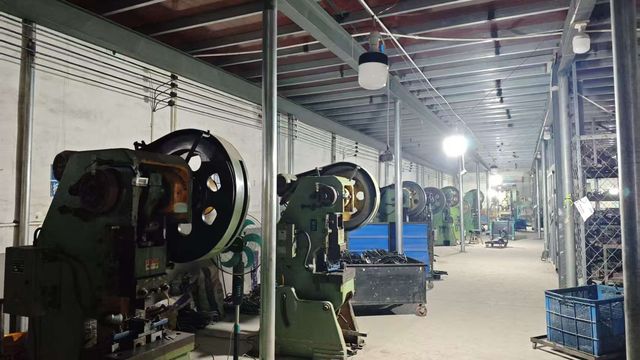
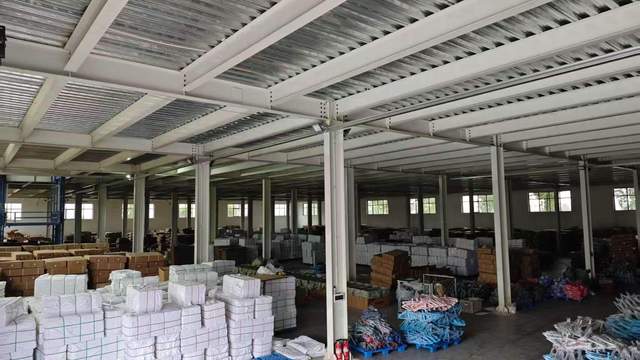
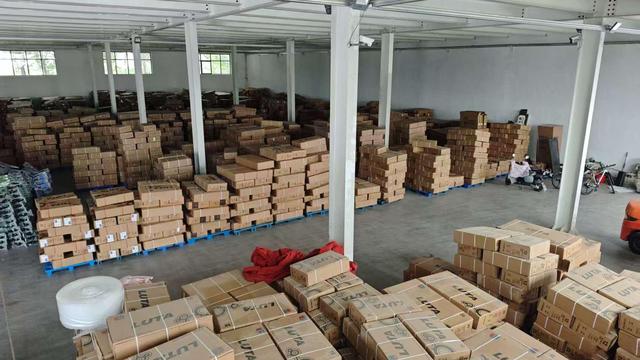
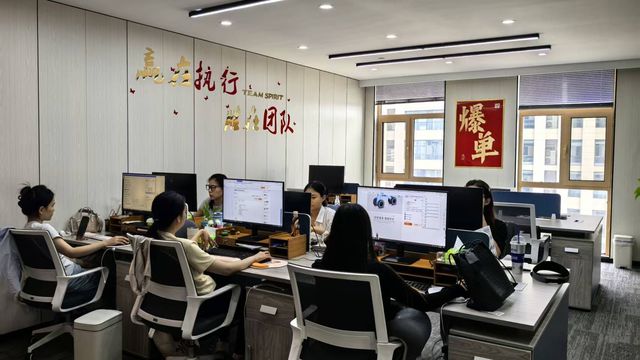
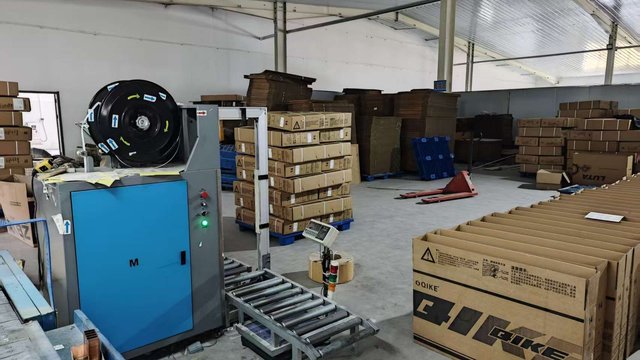
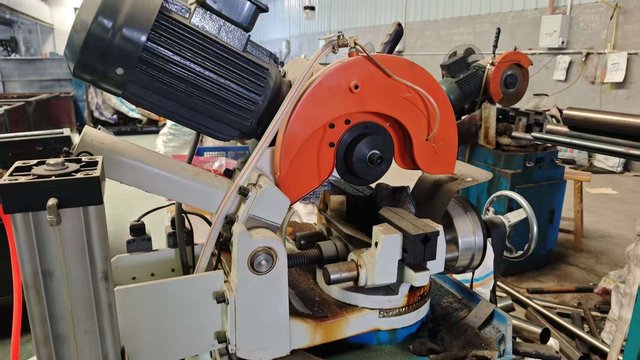
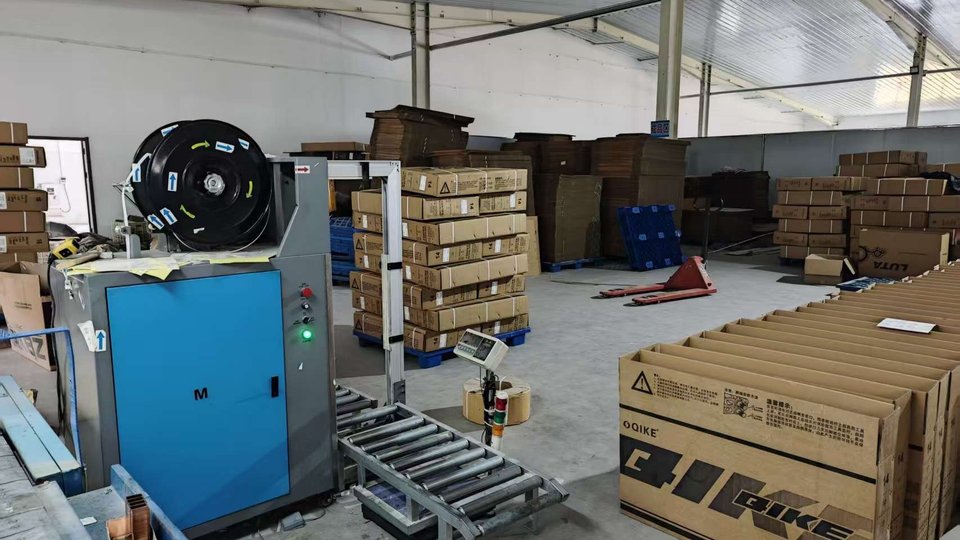
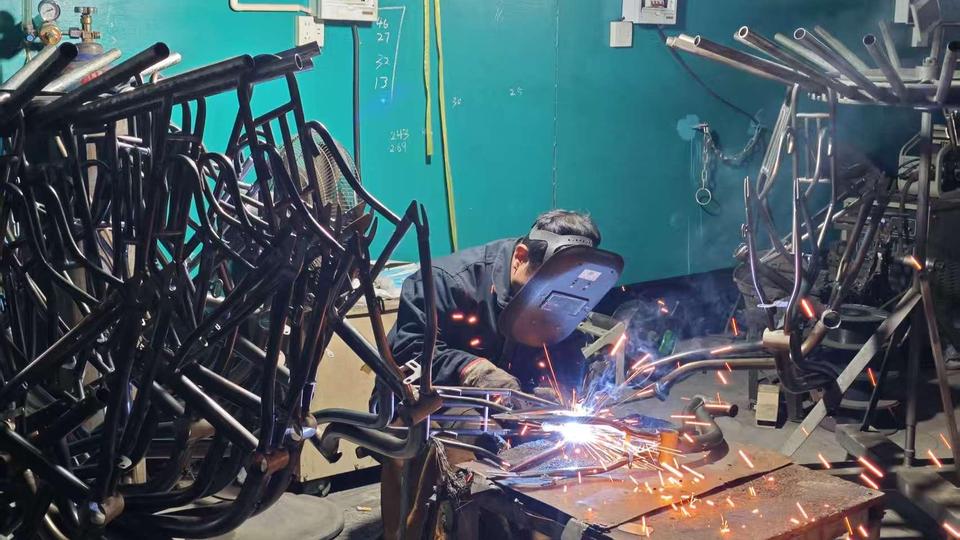
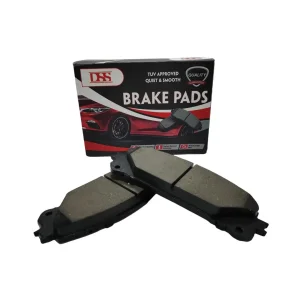
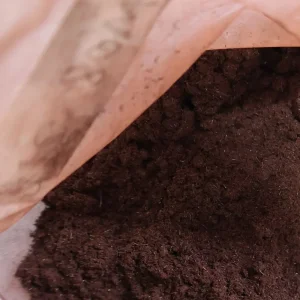
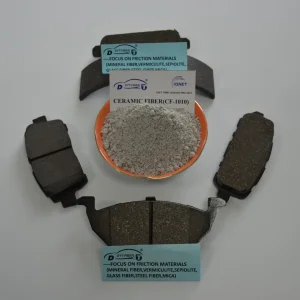
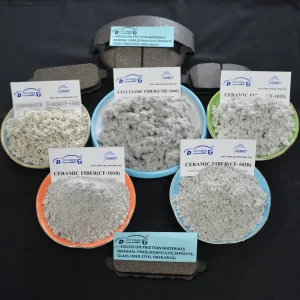
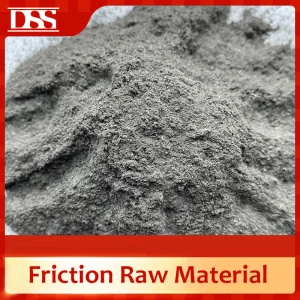
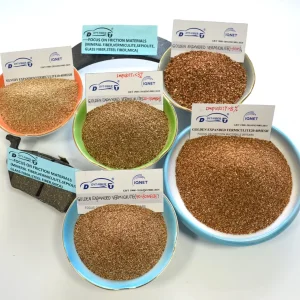
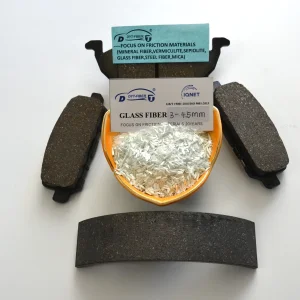
Our engineering expertise extends to the molecular level of braking. We specialize in the development of Ceramic Fiber (CF-1025, CF-1035), Steel Wool Fiber, and Expanded Vermiculite compounds. These materials are meticulously mixed to create brake pads that offer high friction coefficients while minimizing rotor wear and heat fade.
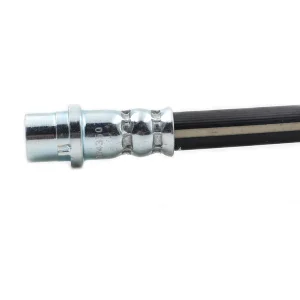
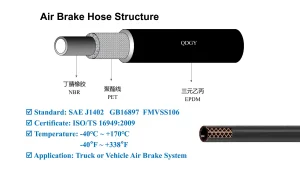
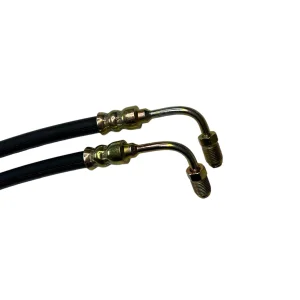
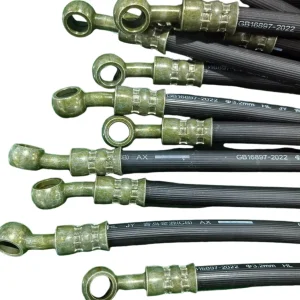
Our SAE J1401 and J1402 compliant hoses feature PTFE lining and EPDM rubber, engineered for explosion-proof performance and corrosion resistance in heavy-duty truck air brake systems.
Utilizing high-performance ceramic fiber materials to ensure "Noise, Vibration, and Harshness" (NVH) levels are kept to an absolute minimum for luxury passenger vehicles.
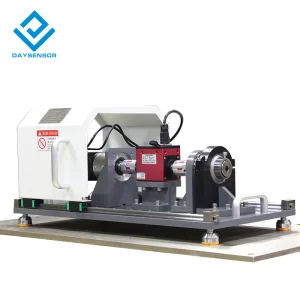
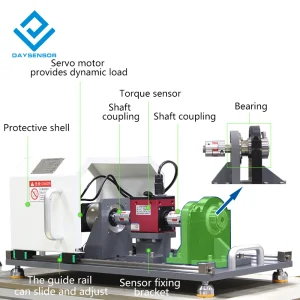
We provide full-scale Motor Test Benches using Hysteresis and Magnetic Powder brakes to simulate real-world braking torque and thermal loads for R&D purposes.
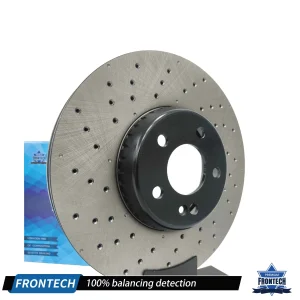
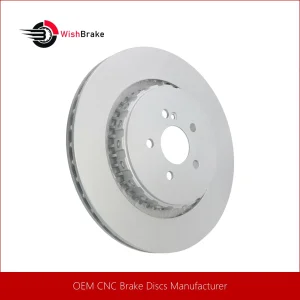
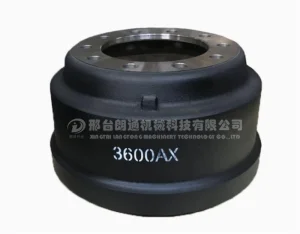
Whether it is a 385mm Fishhook Rotor for an Audi S6 or a standard OEM Brake Drum (3600A/3600ax) for commercial transport, our engineering is adaptable. We serve diverse local markets by understanding specific regional requirements:
As a leading Chinese exporter, we leverage China's robust industrial supply chain to offer shorter lead times, competitive pricing, and uncompromising quality. Our "Mix Powder" technology allows us to customize the friction material ratio based on the client's specific performance-to-cost requirements.
 MOAD AUTO