Engineered to exceed OEM specifications for mechanical resilience, pneumatic efficiency, and sustained friction control.
Addressing high-load safety and thermodynamic dissipation through advanced materials and systems engineering.
Kinetic energy conversion during high-deceleration cycles produces extreme heat up to 700°C. Our optimization designs target ventilation channels and metallic matrix composites to accelerate thermal dissipation, maintaining structural integrity and preventing brake fade.
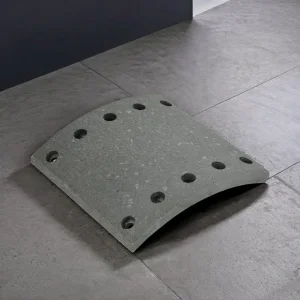
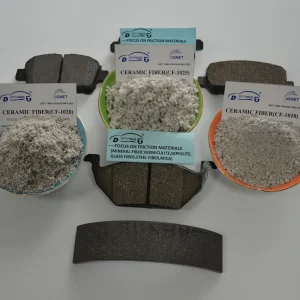
Utilizing high-purity cellulose fibers, phenolic resins, and advanced ceramic matrices, we tailor the friction coefficient (CoF) parameters to specific applications. This mitigates NVH (Noise, Vibration, and Harshness) issues while preserving long-term rotor health.
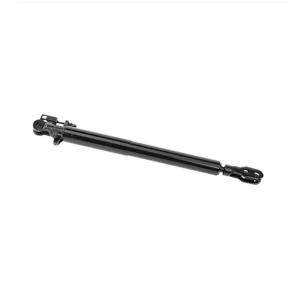
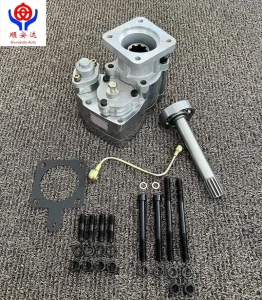
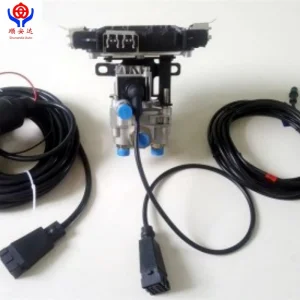
From slack adjusters that automatically compensate for lining wear to high-performance hydraulic power take-offs (PTOs) and air distribution networks, our solutions guarantee synchronized response times across articulated vehicle configurations.
Note on Engineering Quality: Modern safety regulations require brake assemblies to remain stable under severe cyclical stresses. Achieving high E-E-A-T ratings implies that our manufacturing partners continuously audit chemical compounds, verifying zero asbestos contamination and ensuring compliance with heavy industrial guidelines globally.
Global Standard Friction Materials & Automotive Component Manufacturing
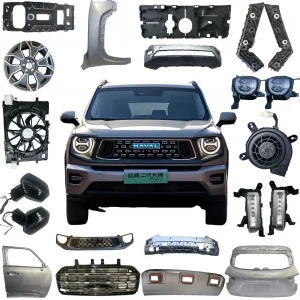
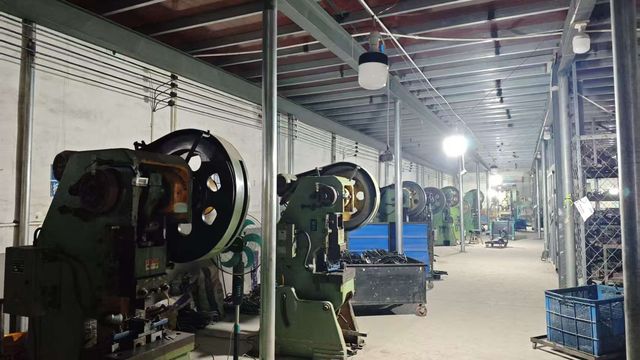
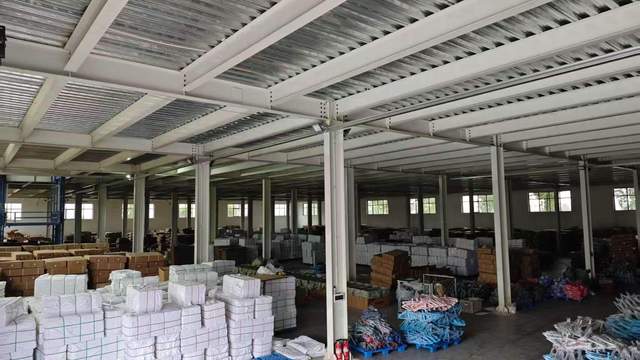
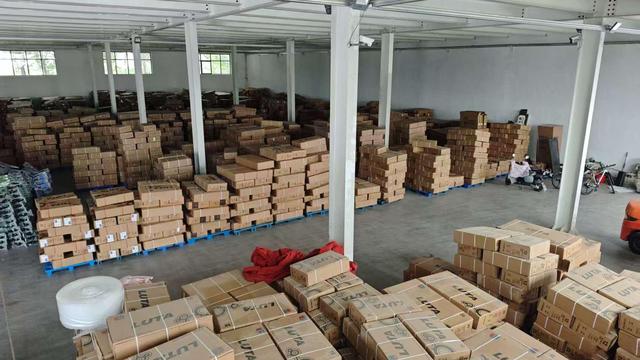
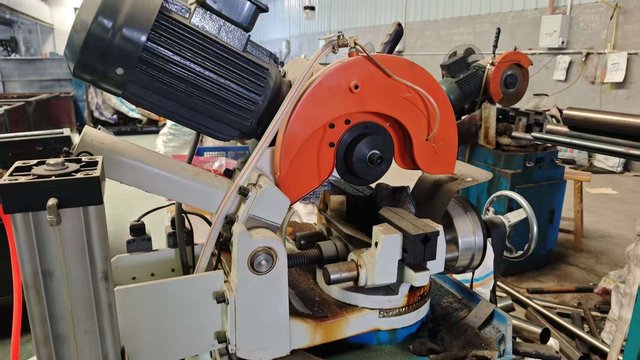
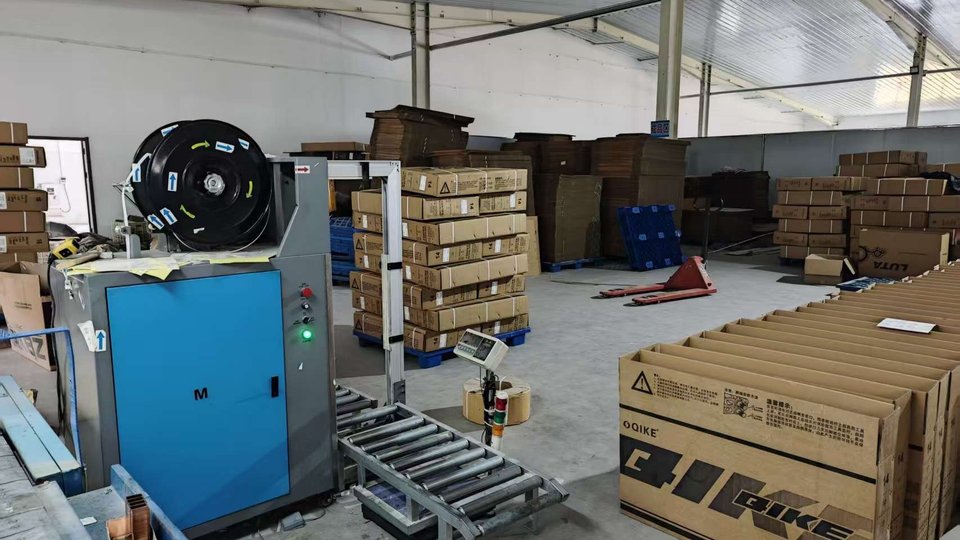
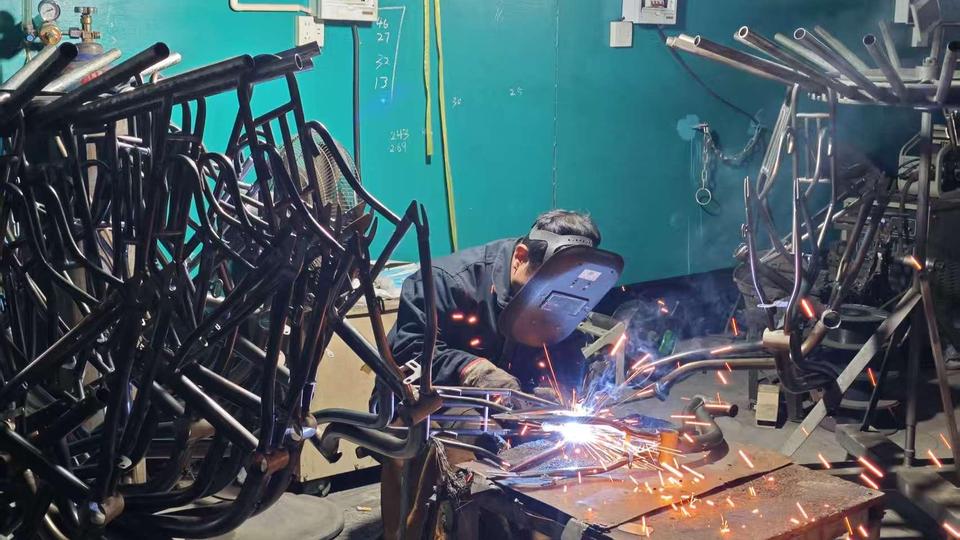
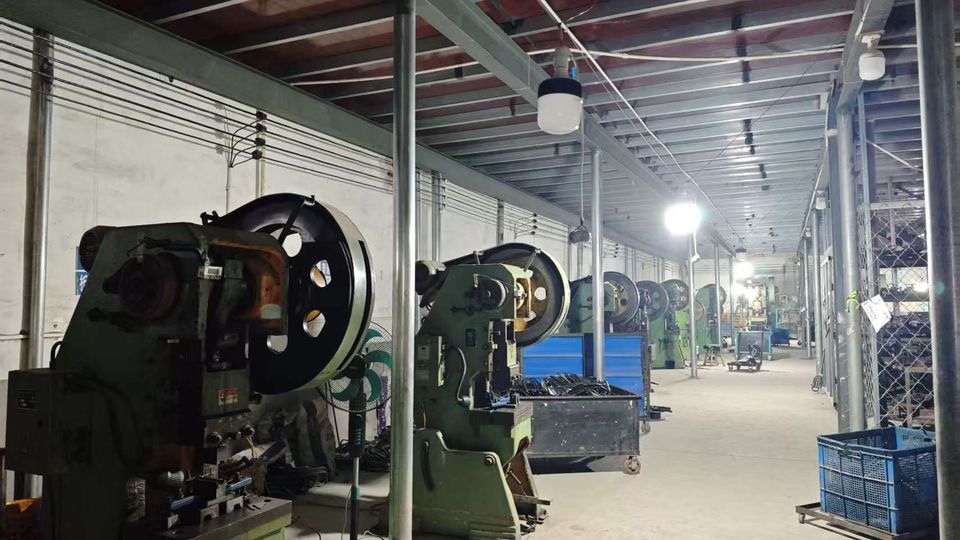
Hangzhou MOAD AUTO Co., Ltd. is a professional manufacturer specializing in brake system components, including brake pads, brake rotors, and automotive friction materials. Located in Hangzhou, China, the company integrates research and development, production, quality control, and global sales to provide reliable braking solutions for international automotive markets.
With a strong technical team and advanced manufacturing facilities, MOAD AUTO is committed to delivering high-performance products that meet strict industry standards for safety, durability, and consistency. Our brake components are widely used in passenger vehicles, commercial vehicles, and various aftermarket applications, ensuring stable braking performance under different driving conditions.
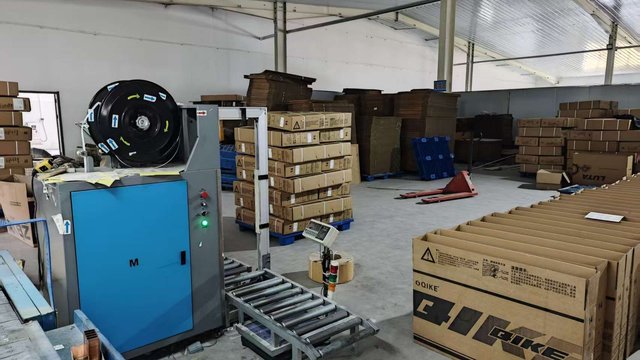
Hangzhou MOAD AUTO Co., Ltd. continuously invests in innovation and process improvement, utilizing modern equipment and precise testing systems to maintain consistent product quality. Every stage of production, from raw material selection to final inspection, is strictly controlled to ensure reliability and long service life.
We also provide customized solutions to meet specific customer requirements, supporting OEM and aftermarket partners with flexible production capabilities and efficient supply chain services. Guided by the principles of quality, integrity, and customer satisfaction, MOAD AUTO is dedicated to building long-term partnerships and delivering dependable brake system solutions to clients worldwide, contributing to safer and more efficient mobility.

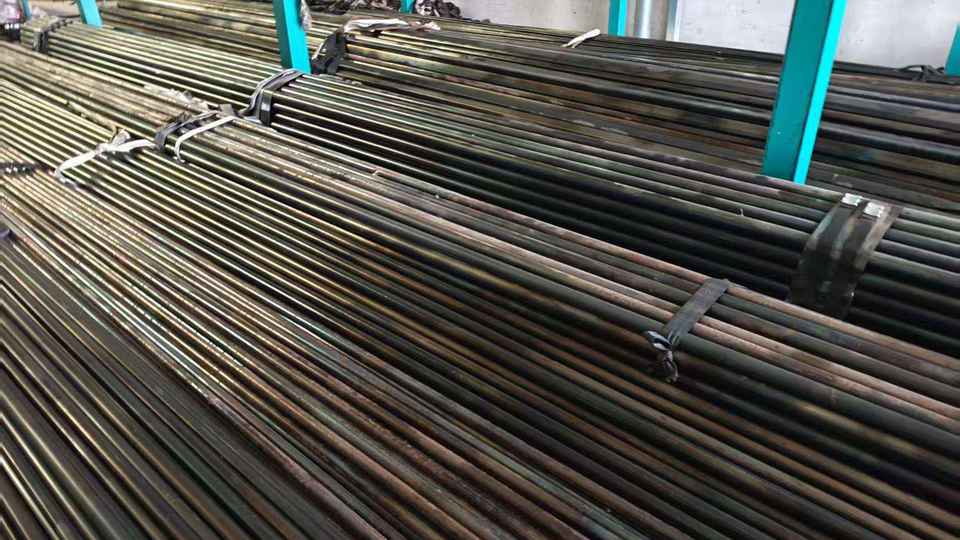
Evaluating localized regulatory environments and key industrial compliance standards.
Braking system design is not a one-size-fits-all discipline. The global logistics and mass transport sector depends on strict alignment with regional mandates. North American markets demand adherence to FMVSS 121, specifying performance requirements for air brake systems on heavy commercial vehicles and trailers. In Europe, any aftermarket replacement part must match or exceed original performance parameters by undergoing ECE R90 testing procedures, verifying cold performance, speed sensitivity, and shear strength.
Similarly, railway systems—such as those employing 600mm slack adjusters and ultrasonic-tested AAR M-901 brake rods—must endure high mechanical stress without structural failure. Our manufacturing pipelines integrate high-precision non-destructive ultrasonic testing (NDT per EN 10160) to eliminate internal voids and micro-fractures in high-load tension components. This rigorous validation ensures safety and regulatory approval across standard-gauge rail lines globally.
Adapting to EV architectures, smart diagnostic infrastructure, and eco-friendly friction compounds.
Increasing environmental regulations mandate the elimination of heavy metal elements like copper from friction products. Our materials program focuses on organic, bio-soluble ceramic binders combined with low-dust carbon-composite fibers to minimize PM2.5 and PM10 emissions during hard braking cycles.
As standard pneumatic systems shift toward Brake-by-Wire (BbW) architectures in modern electric heavy-duty vehicles, our designs integrate real-time torque vectoring sensors. This transition minimizes lag times and allows regenerative systems to capture maximum energy.
Integrating acoustic and electronic thickness monitoring directly within the backing plate of heavy-duty commercial vehicle brakes. These sensors relay real-time wear metrics to fleet management systems, optimizing replacement cycles and preventing road failure.
Answering critical queries regarding material science, testing standards, and mechanical integration.
Cellulose fibers act as structuring agents within non-asbestos organic (NAO) friction materials. They provide pre-cure structural stability during hot-pressing and act as noise dampers. Because they possess low thermal conductivity, they help balance the heat dissipation profile, reducing thermal transfer back to the caliper and brake fluid.
As friction materials wear down, the distance between the shoe and the rotor or drum increases. Slack adjusters dynamically measure this clearance during braking cycles and automatically adjust the linkage rod length. This keeps the actuator stroke constant, maintaining consistent response times and preventing system failure.
Railway linkages endure intense dynamic loads. Microscopic internal defects, like air pockets or cracks formed during forging, can propagate and fail under tension. Testing components per EN 10160 using ultrasonic wave reflection ensures zero internal voids, maintaining structural integrity and preventing catastrophic decoupling.
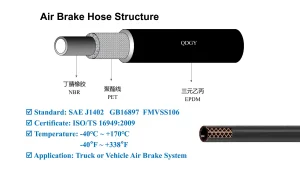
Under SAE J1402 standards, hoses must withstand extreme high-pressure testing, showing resistance to oil, ozone, and heat. The inner EPDM layer prevents swell and fluid contamination, while external polyester reinforcements maintain structural integrity up to peak system pressures.
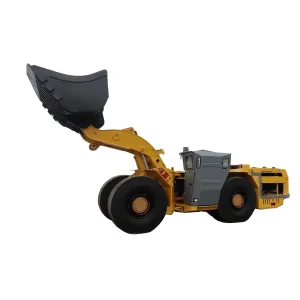
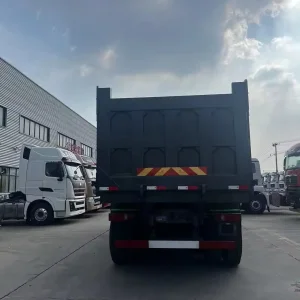
High-durability hardware designed for specialized industrial equipment, haulage, and hydraulic operations.
 MOAD AUTO