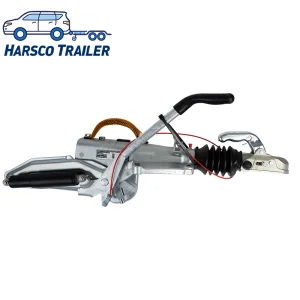
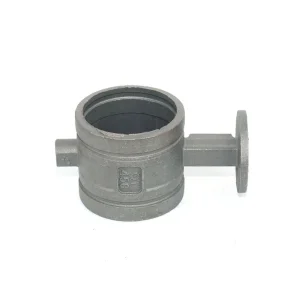
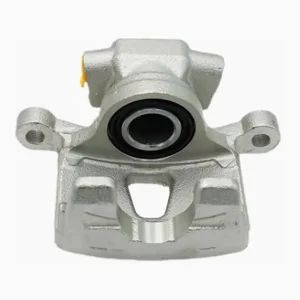
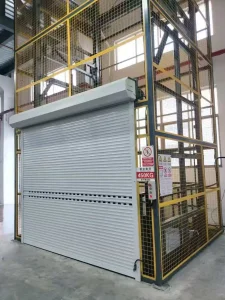
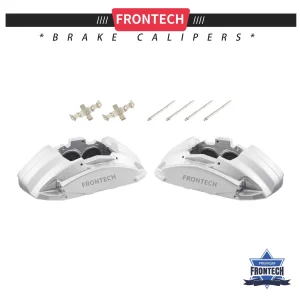
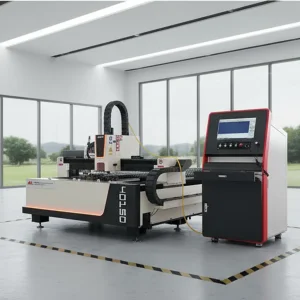
Explore our flagship catalog of braking systems, high-performance shims, and heavy-duty transport accessories engineered to exceed international safety regulations.
The global transition towards sustainable mobility has fundamentally altered the design, operation, and thermal dynamics of automotive braking systems. In hybrid vehicles (HEVs) and plug-in hybrid electric vehicles (PHEVs), the brake system does not work in isolation. Instead, it must harmoniously coordinate with the electric traction motor in a process known as regenerative braking. This integration poses unique challenges for friction materials, thermal management, noise-vibration-harshness (NVH) engineering, and long-term hardware reliability.
In traditional Internal Combustion Engine (ICE) vehicles, kinetic energy is dissipated entirely as heat through the brake pads and rotors. In contrast, a hybrid vehicle utilizes the electric motor as a generator during deceleration. This mechanism reduces reliance on mechanical friction brakes by up to 80% under standard city driving profiles. While this extends the lifespan of the brake pads, it introduces new, complex engineering vulnerabilities:
Modern hybrid vehicles utilize Electro-Hydraulic Braking (EHB) systems. These systems dynamically calculate the driver's deceleration demand and seamlessly distribute the load between regenerative braking torque and mechanical friction braking. Our friction pads are formulated to maintain a highly stable friction coefficient (µ) across temperature ranges from 50°C to 650°C, ensuring a smooth transition during brake blending.
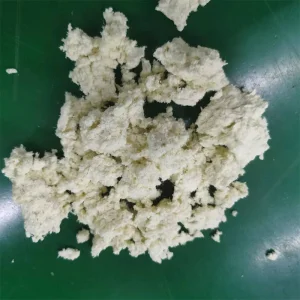
To meet the demands of global environmental regulations (such as California's SB 382/346 limiting copper content in brake pads to less than 0.5%), Hangzhou MOAD AUTO Co., Ltd. has developed state-of-the-art ceramic and organic friction material matrices. Incorporating raw ingredients like PARA Aramid Pulp ensures structural integrity and high shear strength without relying on heavy metals.
| Friction Matrix Type | Coeff. of Friction (µ) | Thermal Dissipation Capacity | NVH Performance | Best Application Scenario |
|---|---|---|---|---|
| Ceramic Formulation (Low-Copper) | 0.38 - 0.42 | Excellent | Superior (Noise Silent) | PHEVs, Luxury Hybrid Sedans, Daily Commute |
| Semi-Metallic (Heavy Duty) | 0.40 - 0.45 | Superior | Moderate | Commercial Vehicles, Off-road Hybrid Trucks |
| Organic & Carbon Composites | 0.35 - 0.38 | Moderate | Excellent | Urban Hybrid Micro-cars, E-Bikes |
Our research and development division focuses on optimizing the friction mix powder. By balancing binder resins, structural fibers, lubricants (like synthetic graphite), and abrasives, we produce pads that minimize wear on both the pad and rotor while preventing the development of rust layers during regenerative cycles.
As a leading hub for automotive supply chains, China provides unparalleled advantages for the manufacture of complex braking system components. Hangzhou MOAD AUTO Co., Ltd. leverages these local structural strengths to deliver global cost-performance benefits:
Custom-branded packaging, dynamic backing plate modifications, and specialized friction matrices tailored for regional road conditions and vehicle gross weights.
Our testing labs are equipped with Link Dynamometers and NVH testing chambers to simulate 300,000 km of thermal stresses, deceleration wear, and extreme weather scenarios.
Strategically situated in Hangzhou, Zhejiang, we enjoy direct access to Ningbo and Shanghai deepwater shipping ports, facilitating fast global delivery within 25 to 40 days.
A premier manufacturer specializing in brake system components, including brake pads, brake rotors, and automotive friction materials.
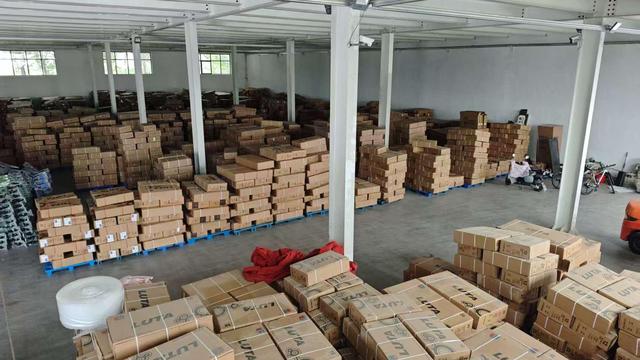
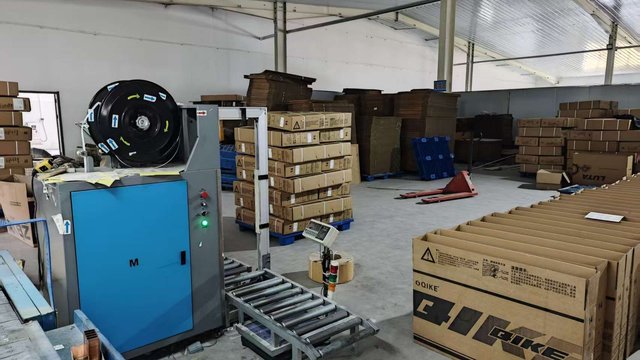
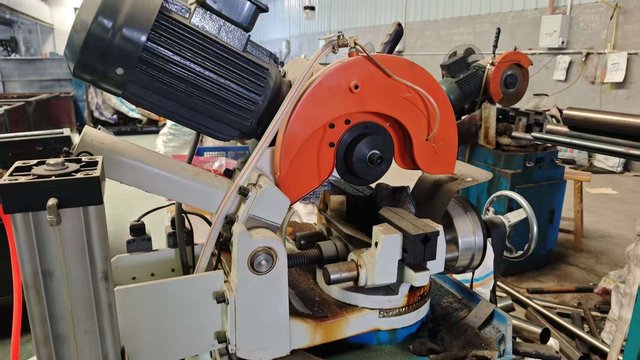
Located in the automotive manufacturing hub of Hangzhou, China, Hangzhou MOAD AUTO Co., Ltd. integrates research and development, manufacturing, quality control, and global sales to provide high-performance braking solutions for international markets.
With a strong technical team and advanced production facilities, MOAD AUTO is committed to delivering products that meet strict industry standards for safety, durability, and performance consistency. Our brake components are widely used in passenger vehicles, commercial trucks, and aftermarket applications, ensuring stable stopping power under all driving conditions.
We continuously invest in innovation and process optimization, utilizing modern equipment and precise testing systems to maintain reliable quality. Every step of production, from raw material selection to final packaging, is strictly monitored. We also provide customized OEM and aftermarket solutions supported by flexible manufacturing capabilities and efficient supply chain services. Grounded in quality and integrity, MOAD AUTO is dedicated to building long-term partnerships worldwide.
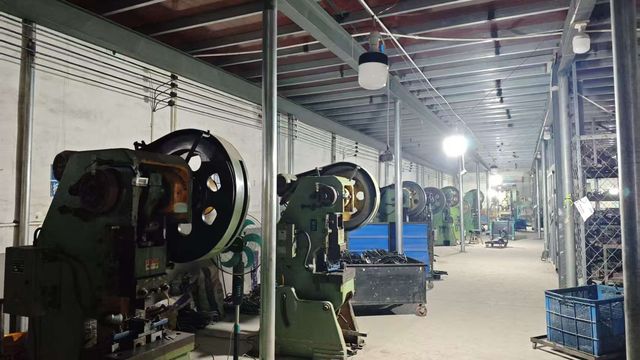
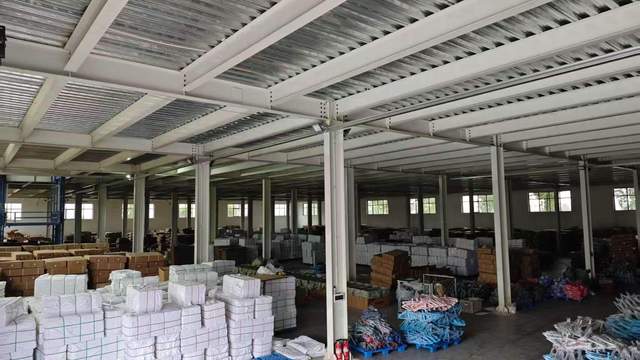

Purchasing agents and OEMs must evaluate a manufacturer’s technological standards to minimize risks of system failure and product recalls. We adhere to international standardizations to ensure components integrate into the final application safely:
Vehicle dynamics change significantly depending on the vehicle class and operating environment. Our product portfolio is customized to meet these distinct demands:
Clear answers to common questions about hybrid vehicle braking technologies and procurement.
Hybrid vehicles utilize regenerative braking, which means the mechanical brakes are used less frequently. As a result, the pads must handle cold-stopping scenarios reliably, resist glazing, and prevent rust buildup on the rotors. Our formulas are designed with these specific operational demands in mind.
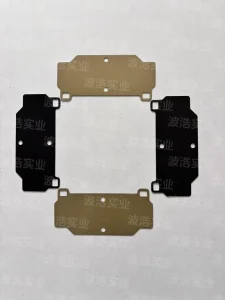
We apply multi-layer elastomeric shims to the back plates of our pads, which absorb micro-vibrations. Additionally, we integrate chamfers and slots into the pad geometry to prevent resonance and reduce noise during slow-speed stops.
Yes, we provide full OEM and ODM services. Our engineering team can develop custom molds and formulations based on your technical drawings, 3D files, and performance specifications. Development to sample production typically takes 15 to 20 days.
Our standard manufacturing and shipping preparation lead time is 25 to 40 days, depending on the order volume and customization requirements. Shipments are dispatched from major ports like Ningbo or Shanghai.
Yes, our low-copper ceramic and organic friction materials are compliant with European REACH regulations and the US copper-free legislation, ensuring they can be legally imported and distributed in these regions.
Explore our wider range of vehicle, transport, and manufacturing components designed for reliable performance in demanding environments.
 MOAD AUTO