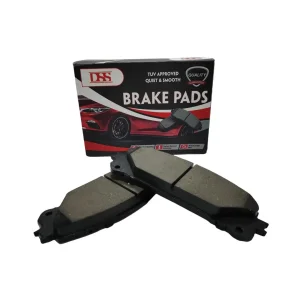
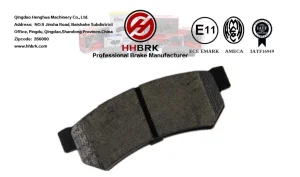
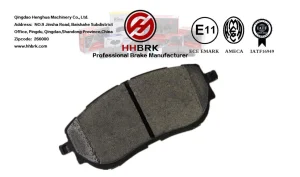
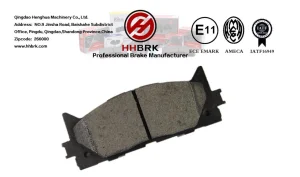
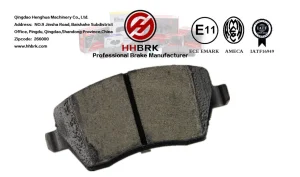
The global metallic brake pads market is witnessing a significant shift towards semi-metallic compositions. These materials are preferred for their superior heat dissipation and high friction coefficient, making them essential for heavy-duty commercial vehicles and high-performance passenger cars. North America and Europe remain the largest consumers, while Asia-Pacific is the fastest-growing manufacturing hub.
Future trends are heavily focused on sustainability and intelligence. Manufacturers are moving towards low-copper or copper-free formulations to comply with environmental regulations (such as California's Better Brakes Law). Additionally, the integration of smart sensors in brake pads to monitor wear in real-time is becoming a standard in high-end automotive segments.
Modern B2B buyers—including large fleet operators and international distributors—require more than just a product. They demand transparency in the supply chain, consistent quality controlled by AI-driven systems, and adherence to international standards like ISO 9001 and IATF 16949. Customization (OEM/ODM) is the most sought-after service in the current procurement landscape.
An authoritative look at the leaders shaping the friction material industry.
1. Akebono Brake Industry: A Japanese giant known for ceramic and semi-metallic innovations, supplying major OEMs globally with high-reliability products.
2. Brembo S.p.A.: The gold standard for high-performance braking. Their metallic pads are used in Formula 1 and luxury sports cars for extreme durability.
3. Robert Bosch GmbH: Offers a vast range of semi-metallic pads that balance noise reduction with aggressive stopping power for the global aftermarket.
4. Federal-Mogul (Tenneco): Owners of the Ferodo brand, they lead in developing "Low-Steel" metallic technologies that enhance pad and rotor life.
5. ITT Inc.: Specializes in advanced friction materials, particularly for the European market where high-speed stability is paramount.
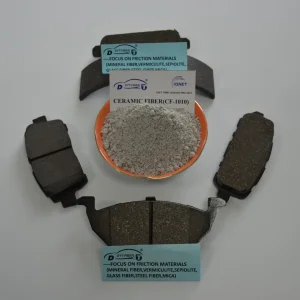
6. TMD Friction: A leader in OE-quality pads, their research into hybrid metallic-ceramic fibers has set new industry benchmarks.
7. Aisin Seiki: Leveraging Toyota Group's synergy, they produce highly consistent metallic pads designed for longevity and safety.
8. Delphi Technologies: Focuses on eco-friendly metallic formulations that maintain performance while reducing dust emissions.
9. TRW Automotive (ZF): Renowned for their "Electric Blue" and high-metallic lines that serve both ICE and EV commercial vehicles.
10. Hangzhou MOAD AUTO Co., Ltd.: Representing the pinnacle of Chinese manufacturing, MOAD AUTO integrates advanced steel wool fibers and ceramic technology to provide cost-effective, high-performance solutions to 80+ countries.
In Northern Europe and Canada, metallic brake pads are engineered with specific friction modifiers to ensure immediate "bite" even in sub-zero temperatures, preventing glazing on the rotor surface.
In cities like Shanghai or London, "Stop-and-Go" traffic creates massive heat buildup. MOAD AUTO's semi-metallic pads utilize high-purity steel wool to dissipate heat rapidly, preventing brake fade.
For cross-continent trucking in the USA or Australia, durability is king. Our formulations emphasize wear resistance, extending service intervals by up to 30% compared to standard aftermarket options.
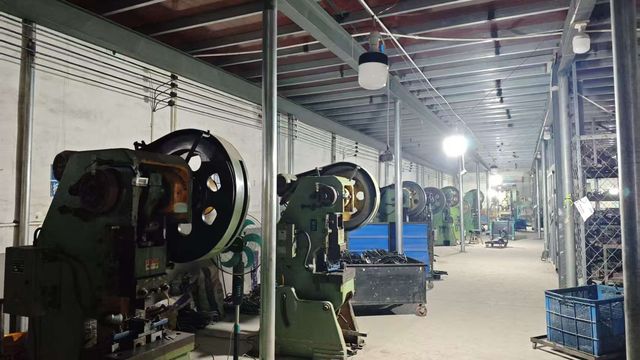
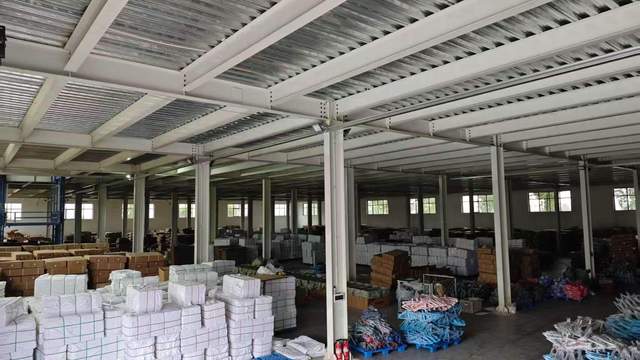
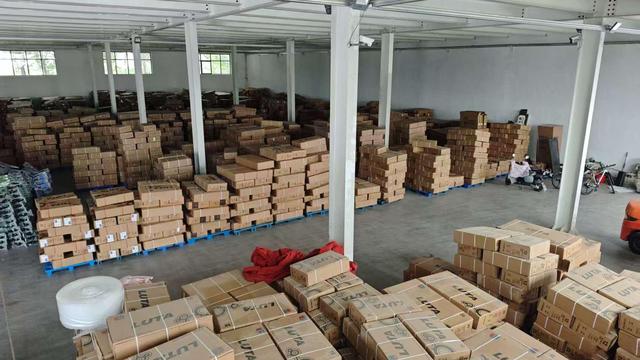
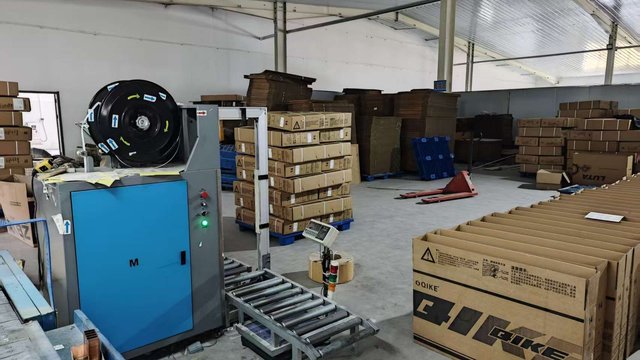
Hangzhou MOAD AUTO Co., Ltd. is a professional manufacturer specializing in brake system components, including brake pads, brake rotors, and automotive friction materials. Located in Hangzhou, China, the company integrates research and development, production, quality control, and global sales to provide reliable braking solutions for international automotive markets.
With a strong technical team and advanced manufacturing facilities, MOAD AUTO is committed to delivering high-performance products that meet strict industry standards for safety, durability, and consistency. Our brake components are widely used in passenger vehicles, commercial vehicles, and various aftermarket applications, ensuring stable braking performance under different driving conditions.

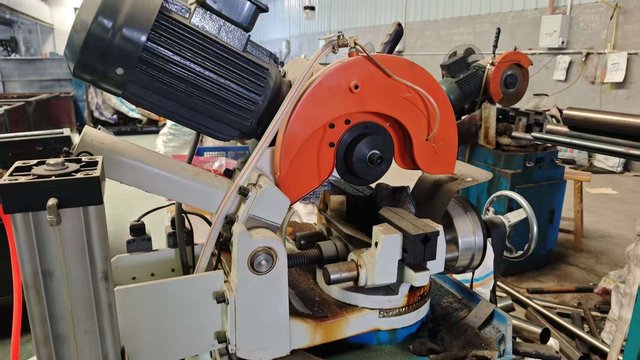
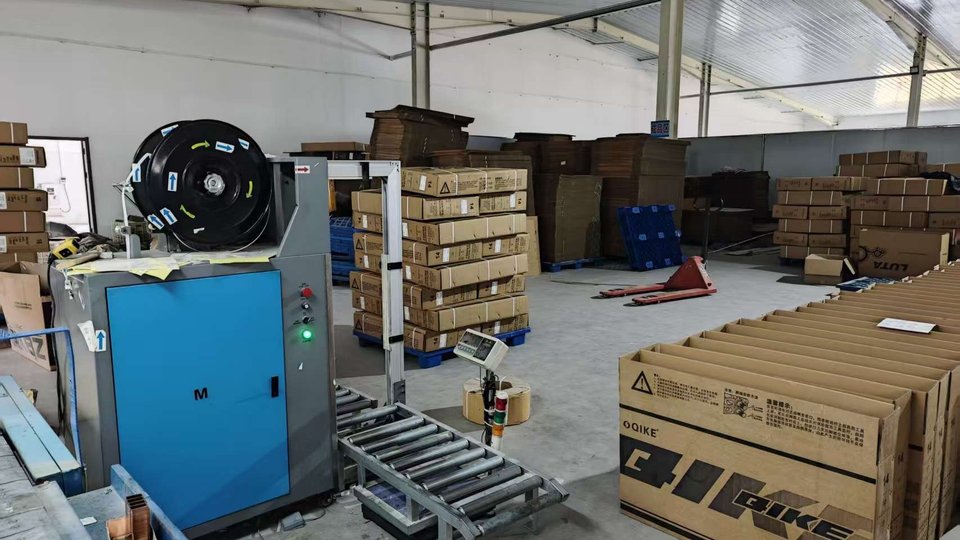
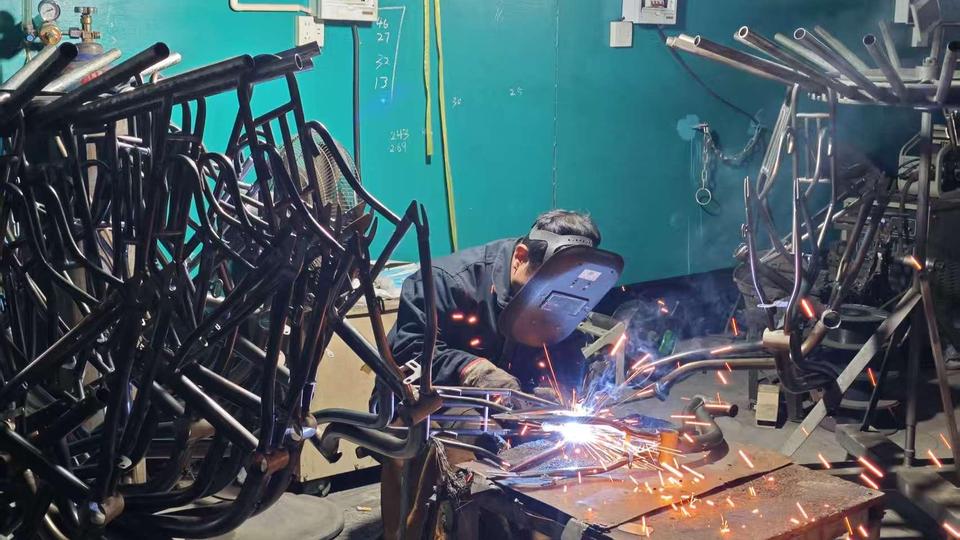
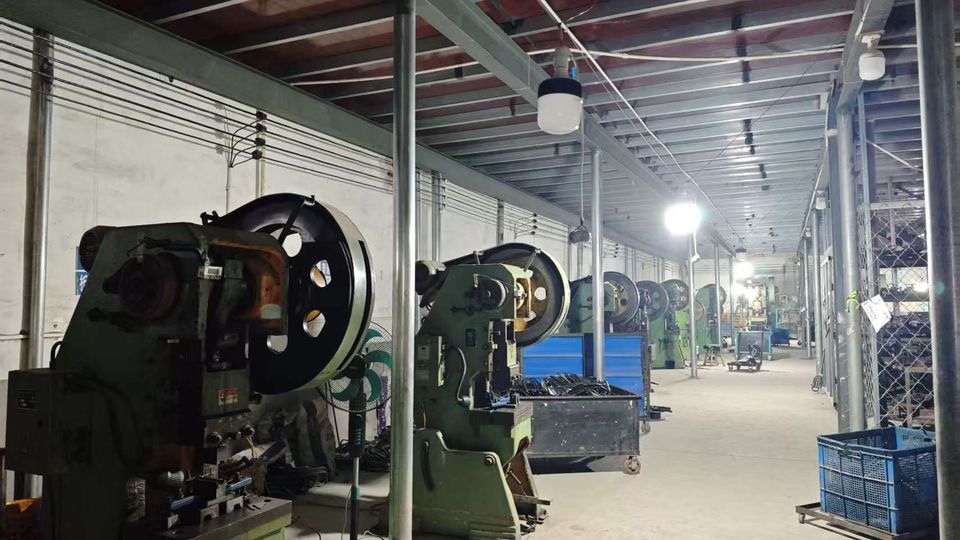
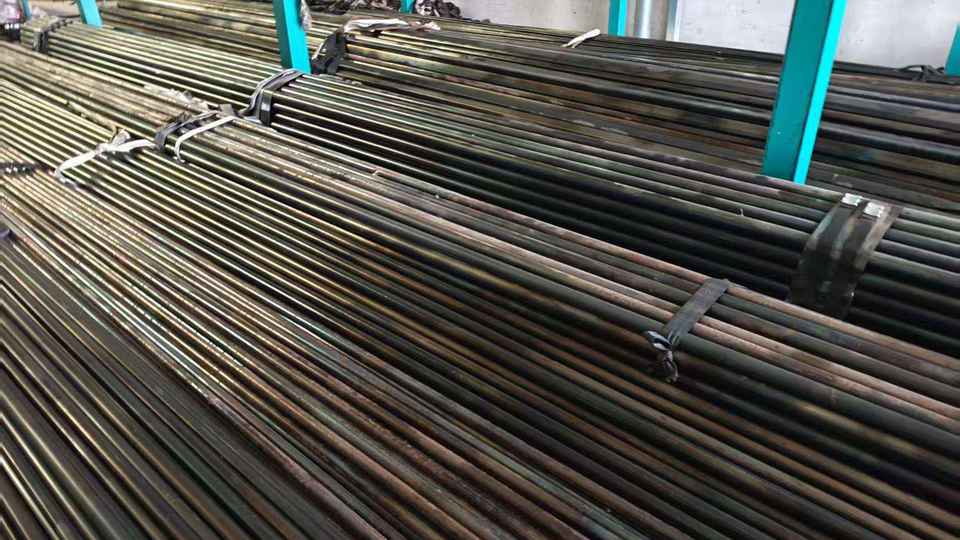
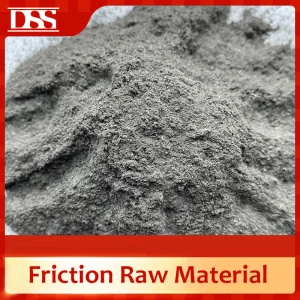
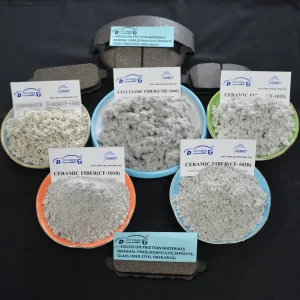
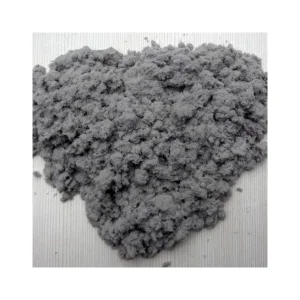
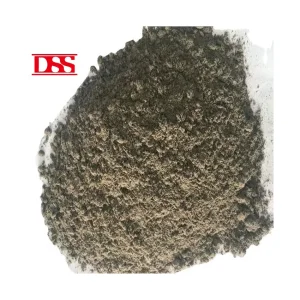
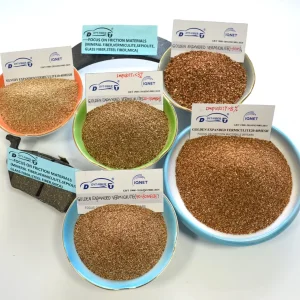
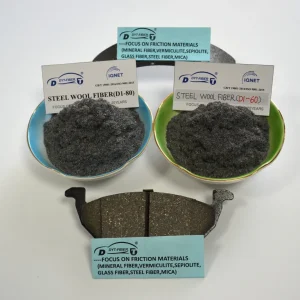
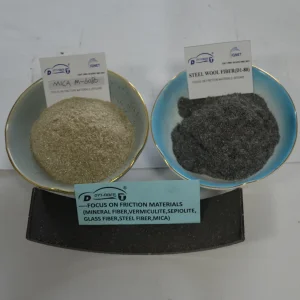
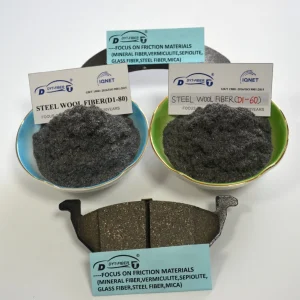
The core of a metallic brake pad's performance lies in its metallurgical composition. By utilizing steel wool fibers—specifically our D1-60 and D1-80 grades—manufacturers can create a matrix that provides a consistent coefficient of friction across a wide temperature range. Unlike pure organic pads, metallic variants handle the kinetic energy of heavy vehicles by conducting heat away from the rotor, preventing structural failure of the friction material.
As the industry moves towards the EV era, the role of metallic pads is evolving. While regenerative braking reduces the frequency of use, the requirement for emergency stopping power remains unchanged. MOAD AUTO is at the forefront of this evolution, developing hybrid semi-metallic materials that resist corrosion during long periods of inactivity while delivering maximum safety when called upon.
 MOAD AUTO