Engineered to precise specifications, certified under strict quality protocols for safety and longevity.
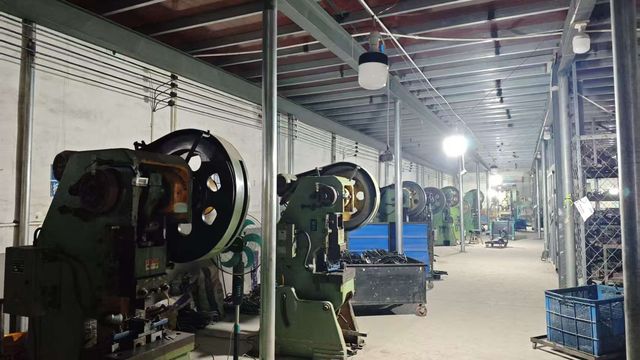
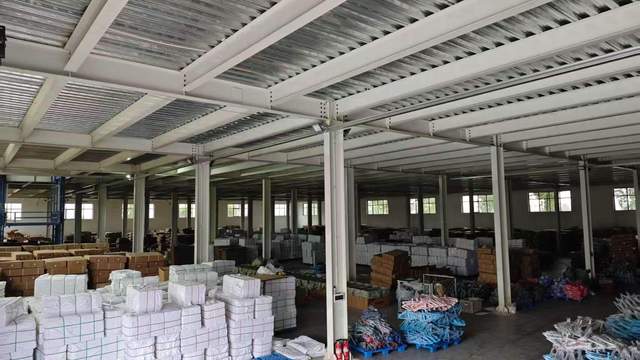
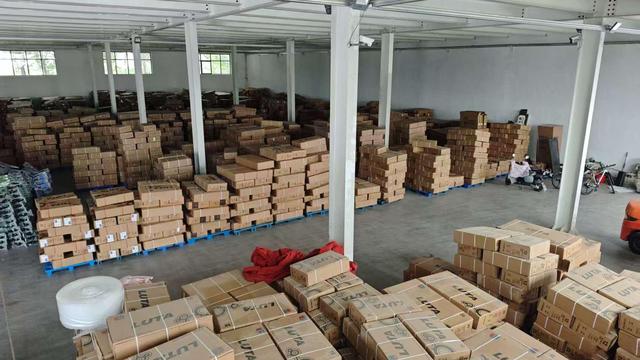
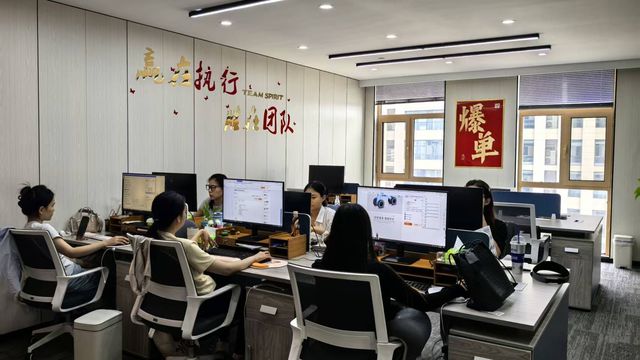
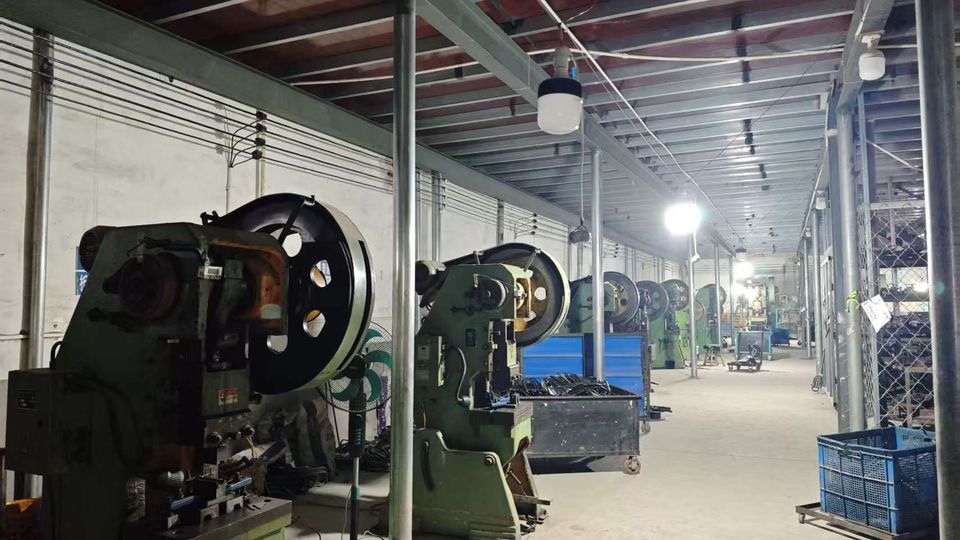
As a prominent industrial manufacturer in the field of friction technology, Hangzhou MOAD AUTO Co., Ltd. specializes in the R&D, advanced design, and global supply of critical braking system components. Nestled in the key industrial hub of Hangzhou, China, our company represents the pinnacle of modern manufacturing capability, blending decades of metallurgical and materials engineering with high-capacity production facilities to serve international automotive OEM and aftermarket customers.
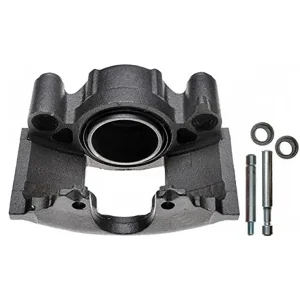
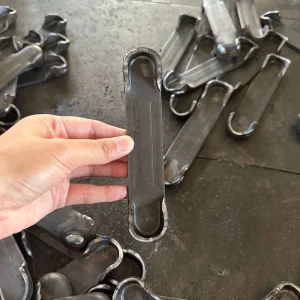
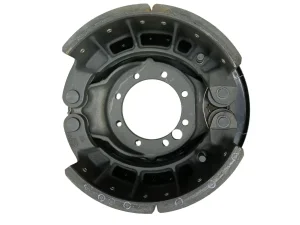
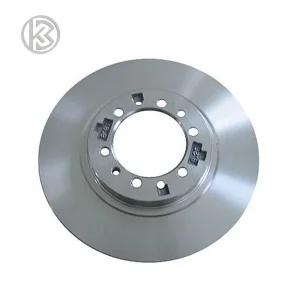
Our comprehensive portfolio, comprising top-tier friction linings, premium disc rotors, lightweight cast iron brake calipers, and custom-stamped backplates, is developed specifically to operate within extreme thermal regimes. By maintaining rigorous, vertically integrated workflows—from material blending to finishing and dynamic shear testing—we ensure that every single brake component yields superior braking stability, minimal structural wear, and exceptionally low NVH (Noise, Vibration, and Harshness) metrics.
Safety is not negotiable. Through extensive investments in state-of-the-art automation and global quality certifications, we provide structural components that comply with key European directives (CE, ECE R90) and universal automotive quality systems (IATF 16949), establishing MOAD AUTO as a trusted partner for distribution networks and assembly operations worldwide.
A technical overview of the metallurgical, composite, and organic chemistry applied to meet diverse automotive and industrial stopping demands.
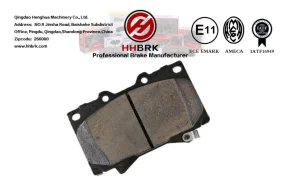
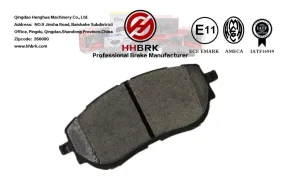
Our advanced ceramic compounds, exemplified in products such as the D1964 Ceramic Brake Pads, utilize a proprietary mixture of non-ferrous ceramic fibers, synthetic mineral fibers, and resilient binding resins. Designed to minimize brake dust emission while maintaining a stable friction coefficient (μ of 0.38 to 0.42) under sustained temperatures exceeding 650°C. Highly favored for premium passenger cars requiring minimal rotor wear and noise-free operation.
Featuring a composition built with structural metal fibers (steel wool, iron powders, copper alternatives), the D772 Semi-Metal Brake Pads offer outstanding thermal conductivity. These materials rapidly transfer heat away from the pad-rotor interface, preventing thermal fade during aggressive deceleration cycles. Ideal for demanding duty cycles, performance tuning, and high-speed highway conditions where shear resistance is critical.
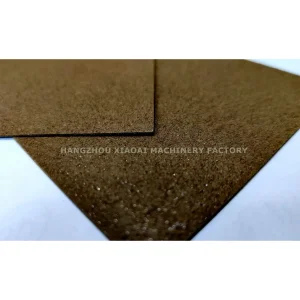
For specialized applications such as wet brakes, industrial clutches, and power transmissions, our High Effective Wet Paper-Based Friction Materials leverage porous organic matrix structures. These structures are pressure-saturated with thermally stable resins, offering uniform fluid dispersal, stable engagement, and superior shear performance in wet-lubricated systems, common in motorcycle wet clutches and heavy machinery drivetrains.
Hangzhou, China acts as an epicentre of automotive component supply chains, giving MOAD AUTO unique manufacturing advantages that translate directly into competitive pricing and high-end quality control:
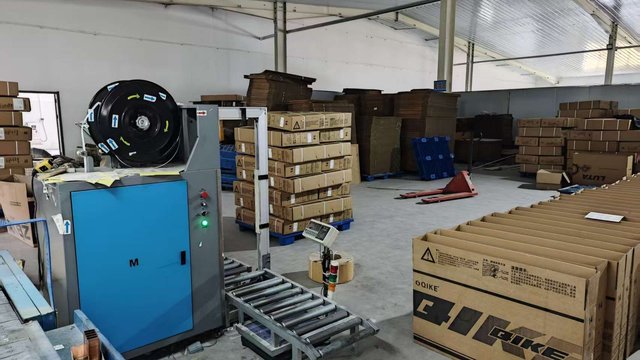
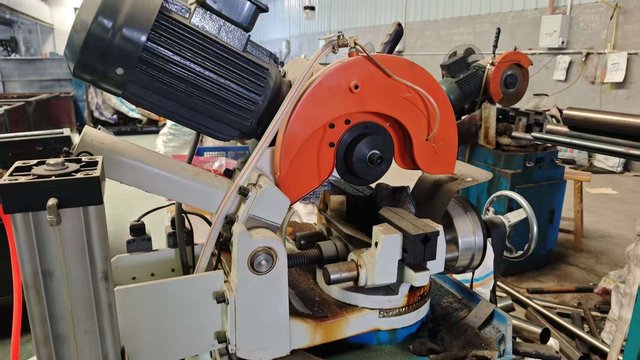
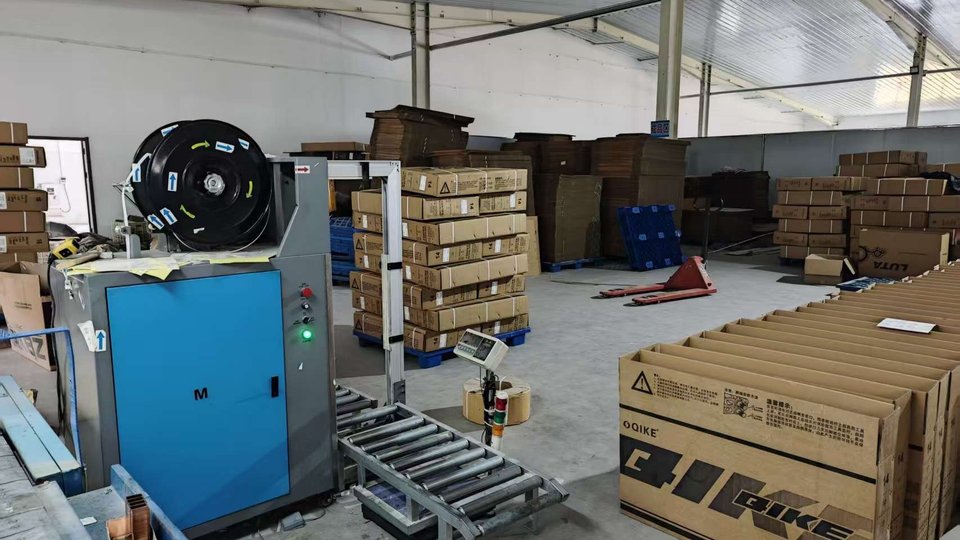
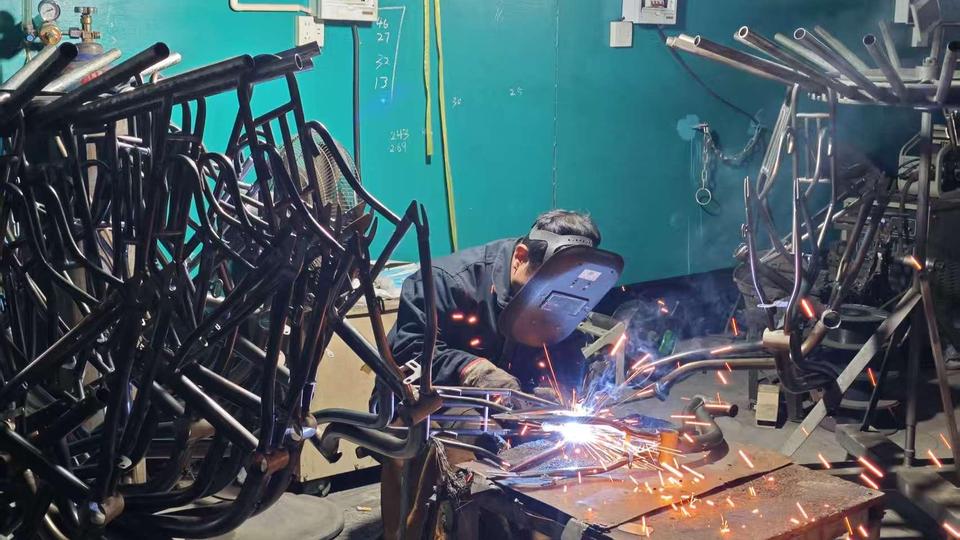
From deep-underground mining operations to high-speed manufacturing lines, our system designs are engineered to resolve major mechanical challenges.
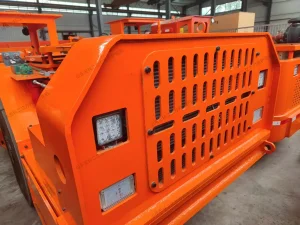
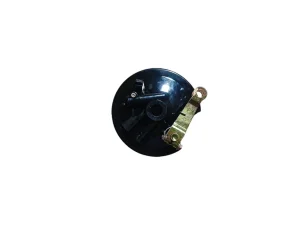
Underground mining vehicles endure constant load cycles and severe dust environments. Our Premium Heavy-Duty FOPS Cockpit Brake System delivers reliable stopping power using reinforced caliper structures and high-friction semi-metallic formulations. It prevents caliper distortion and hydraulic seal degradation even when operating continuously inside wet, dust-heavy mine shafts.
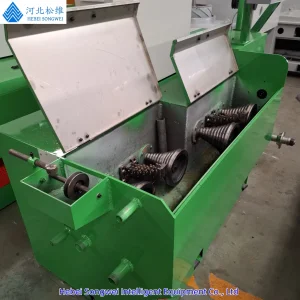
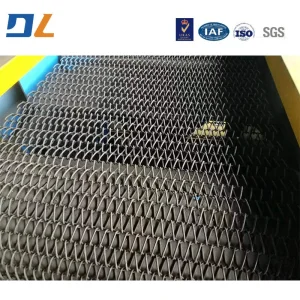
Friction generates excessive thermal energy that can degrade machinery output. The Efficient Cooling System for High-Speed Wire Drawing Equipment addresses this issue directly. Engineered to keep wire drawing machinery operating within stable temperature ranges, it prevents thermal expansion of parts and protects wire tensile integrity during 24/7 manufacturing cycles.
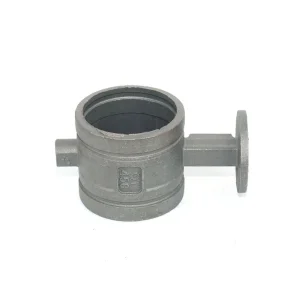
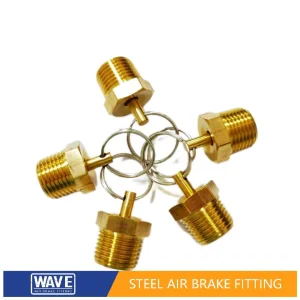
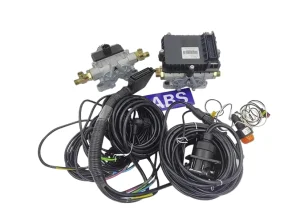
Pneumatic integrity is vital for trailer safety. Our Customized Truck Trailer ABS Valve System integrates high-speed solenoid control valves with robust compression fittings to ensure fast pneumatic response times. By preventing pressure drops and communication delays, these systems ensure commercial heavy trucks remain completely stable under emergency braking.
CE & IATF 16949 Standards Applied Daily
For modern sourcing departments, purchasing brake components requires balancing complex regulatory guidelines, supply chain resilience, and environmental concerns. We design our procurement and logistics processes to address these challenges:
Addressing the core questions of procurement managers, engineers, and distributors regarding friction technology and global supply logistics.
Ceramic materials utilize non-metallic clays, ceramic fibers, and binding materials. They are designed for quiet operation, minimal dust emission, and low rotor wear, making them ideal for passenger vehicles. Semi-metallic materials contain 30% to 65% metal (steel, iron, copper alternatives). They offer higher thermal conductivity and durability, making them suitable for heavy-duty trucks, towing applications, and high-speed driving.
Our validation process includes intensive dynamometer testing (such as Link 3900 test systems) to simulate extreme driving loads. We verify thermal fade resistance, shear strength, compressibility, and performance variance against original equipment parts. Every batch undergoes strict documentation and tracking under our IATF 16949-certified quality system to guarantee regulatory compliance.
Yes. Our engineering division works directly with industrial clients to develop custom friction materials. Whether you require wet paper-based friction discs for marine gearboxes or heavy-duty organic materials for mining equipment, we can adjust composite ingredients to achieve your specific friction coefficient and thermal requirements.
We implement a multi-stage approach to eliminate brake noise: 1) Precision-engineered chamfers and slots on the friction block to distribute pressure evenly; 2) Integration of multi-layered rubberized steel noise shims on the backplate; and 3) Fine-tuning our friction formulas to minimize high-frequency micro-vibrations during contact.
For standard aftermarket configurations with existing backing plate designs, production ranges between 30 to 45 days. For specialized OEM configurations requiring unique molds or metallurgical changes, design and validation phases add 4 to 6 weeks. We work closely with procurement divisions to ensure transparent schedules and reliable deliveries.
Explore our secondary line of precision components, custom-designed to optimize performance across light, commercial, and industrial applications.
 MOAD AUTO