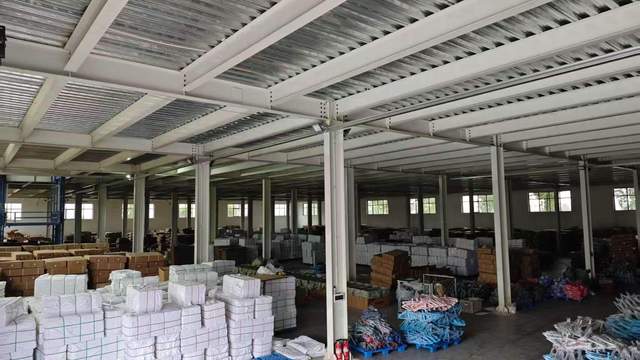
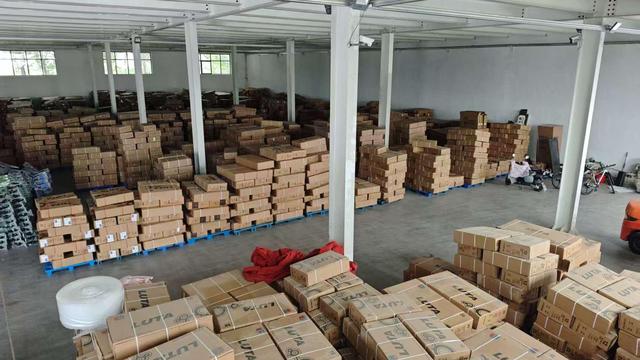
Hangzhou MOAD AUTO Co., Ltd. is a professional manufacturer specializing in brake system components, including brake pads, brake rotors, and automotive friction materials. Located in Hangzhou, China, the company integrates research and development, production, quality control, and global sales to provide reliable braking solutions for international automotive markets.
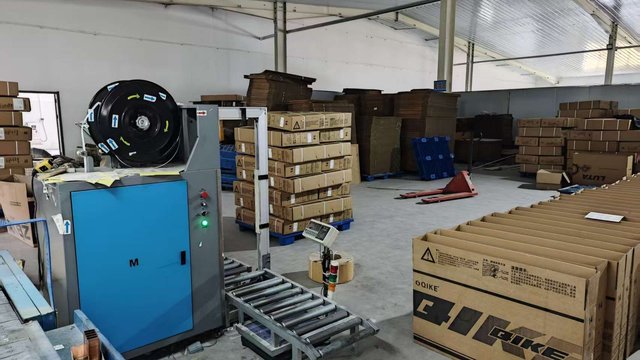
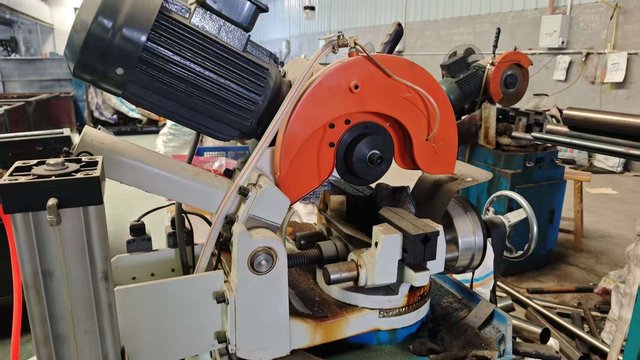
With a strong technical team and advanced manufacturing facilities, MOAD AUTO is committed to delivering high-performance products that meet strict industry standards for safety, durability, and consistency. Our brake components are widely used in passenger vehicles, commercial vehicles, and various aftermarket applications, ensuring stable braking performance under different driving conditions.
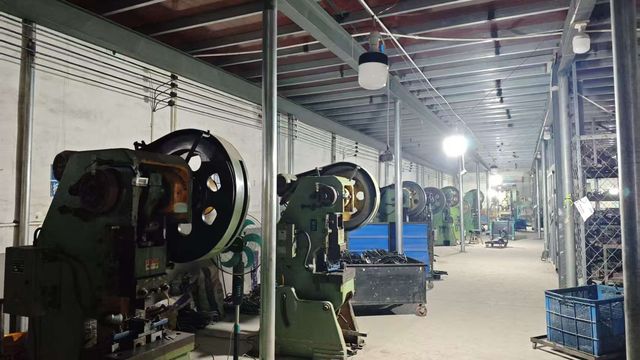
Hangzhou MOAD AUTO Co., Ltd. continuously invests in innovation and process improvement, utilizing modern equipment and precise testing systems to maintain consistent product quality. Every stage of production, from raw material selection to final inspection, is strictly controlled to ensure reliability and long service life.
The global automotive brake pad market is undergoing a significant transformation, driven by stringent environmental regulations and the rapid rise of electric vehicles (EVs). As the core of vehicle safety, brake pad formulations have evolved from traditional asbestos-based materials to sophisticated Ceramic, Semi-Metallic, and Non-Asbestos Organic (NAO) compounds. Today, the industry is focused on reducing copper content to comply with global environmental standards while maintaining high friction coefficients and thermal stability.
In the industrial sector, the demand for high-performance friction materials is expanding beyond passenger cars to heavy-duty trucks, buses, and specialized machinery. Global procurement managers are increasingly looking for suppliers who can provide not just finished products, but customized formulations that balance noise, vibration, and harshness (NVH) with long-term wear resistance. This shift has positioned China as a pivotal hub for brake pad manufacturing, offering a unique blend of raw material accessibility and advanced chemical engineering.
With regenerative braking in EVs, brake pads must handle different thermal cycles. Our formulations are optimized for lower usage frequency while preventing corrosion and maintaining instant bite.
We lead the way in copper-free and low-dust ceramic formulations, meeting the highest environmental standards in Europe and North America without compromising safety.
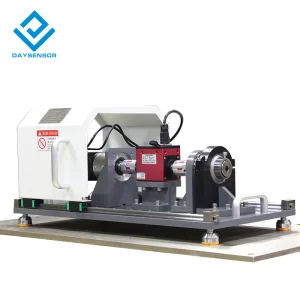
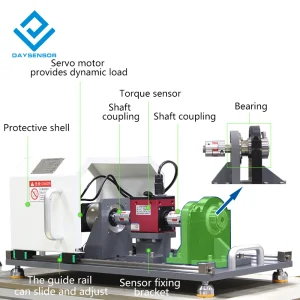
Utilizing Hysteresis Brake Dynamometer systems, we simulate extreme driving conditions to ensure every batch meets OEM-level performance metrics.
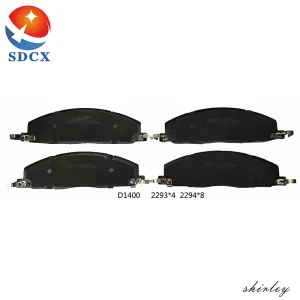
Brake pad performance is highly dependent on the local environment. In North American markets, where heavy-duty towing is common for vehicles like the Dodge RAM 3500, formulations must emphasize high heat dissipation and heavy-load friction stability. Conversely, in European urban environments, the focus shifts toward low-noise and low-dust ceramic materials to meet consumer preferences for clean wheels and quiet operation.
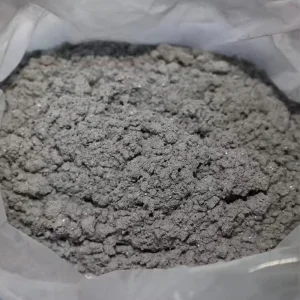
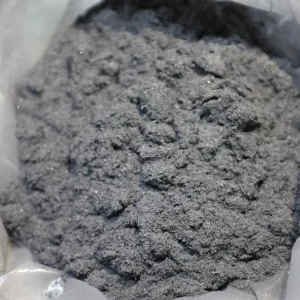
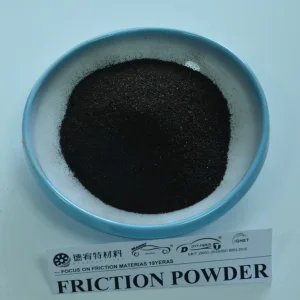
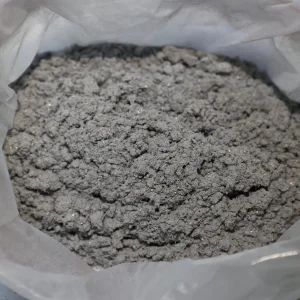
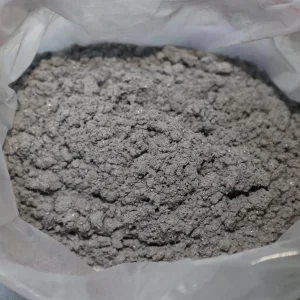
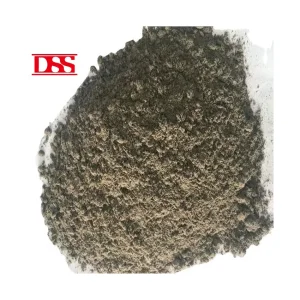
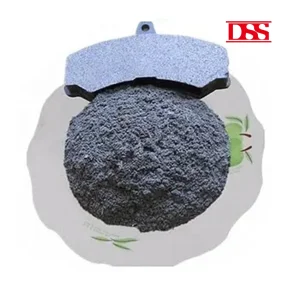
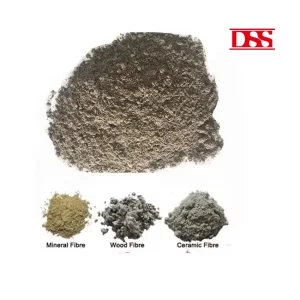
For global enterprises, procurement needs have shifted toward "Supply Chain Resilience." Buyers are no longer just looking for the lowest price; they require partners who offer DOT Certification, SAE J1401/J1402 compliance, and the ability to provide raw materials like phenolic resin, steel wool, and carbon fiber. Hangzhou MOAD AUTO addresses these needs by providing a vertically integrated solution—from raw friction powder to finished brake assemblies.
As a leading Chinese manufacturer, we offer distinct advantages that empower our global partners:
We also provide customized solutions to meet specific customer requirements, supporting OEM and aftermarket partners with flexible production capabilities and efficient supply chain services. Guided by the principles of quality, integrity, and customer satisfaction, MOAD AUTO is dedicated to building long-term partnerships and delivering dependable brake system solutions to clients worldwide, contributing to safer and more efficient mobility.

 MOAD AUTO