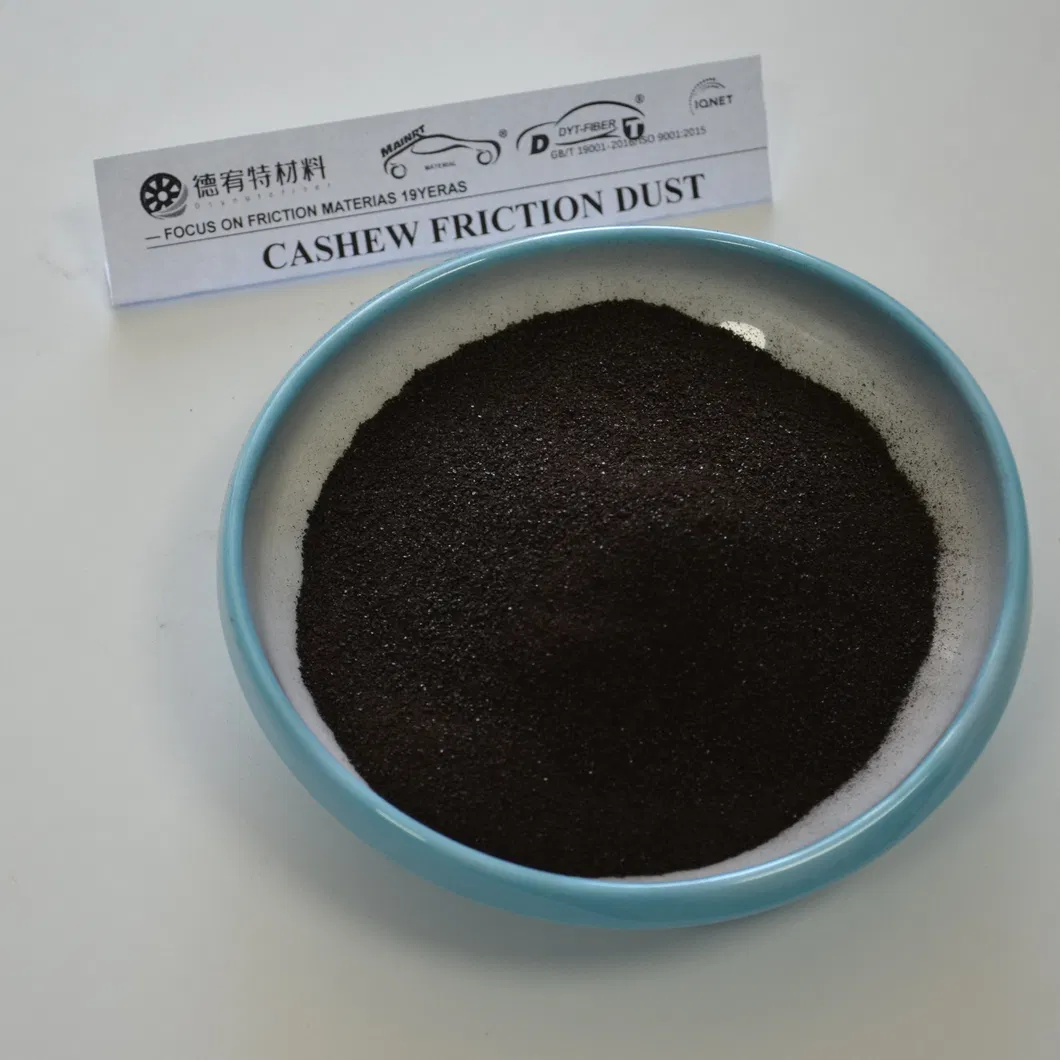
1. Cashew Friction Dust
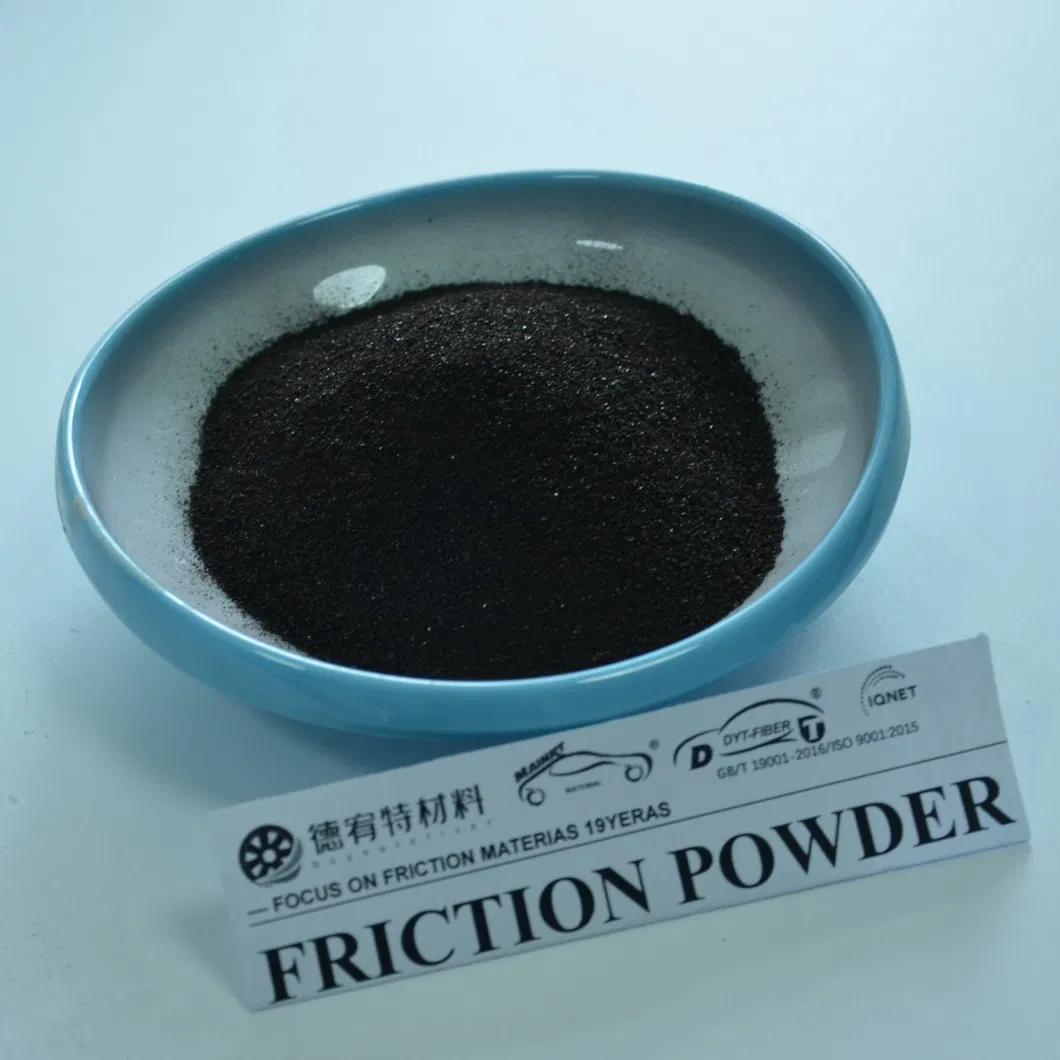
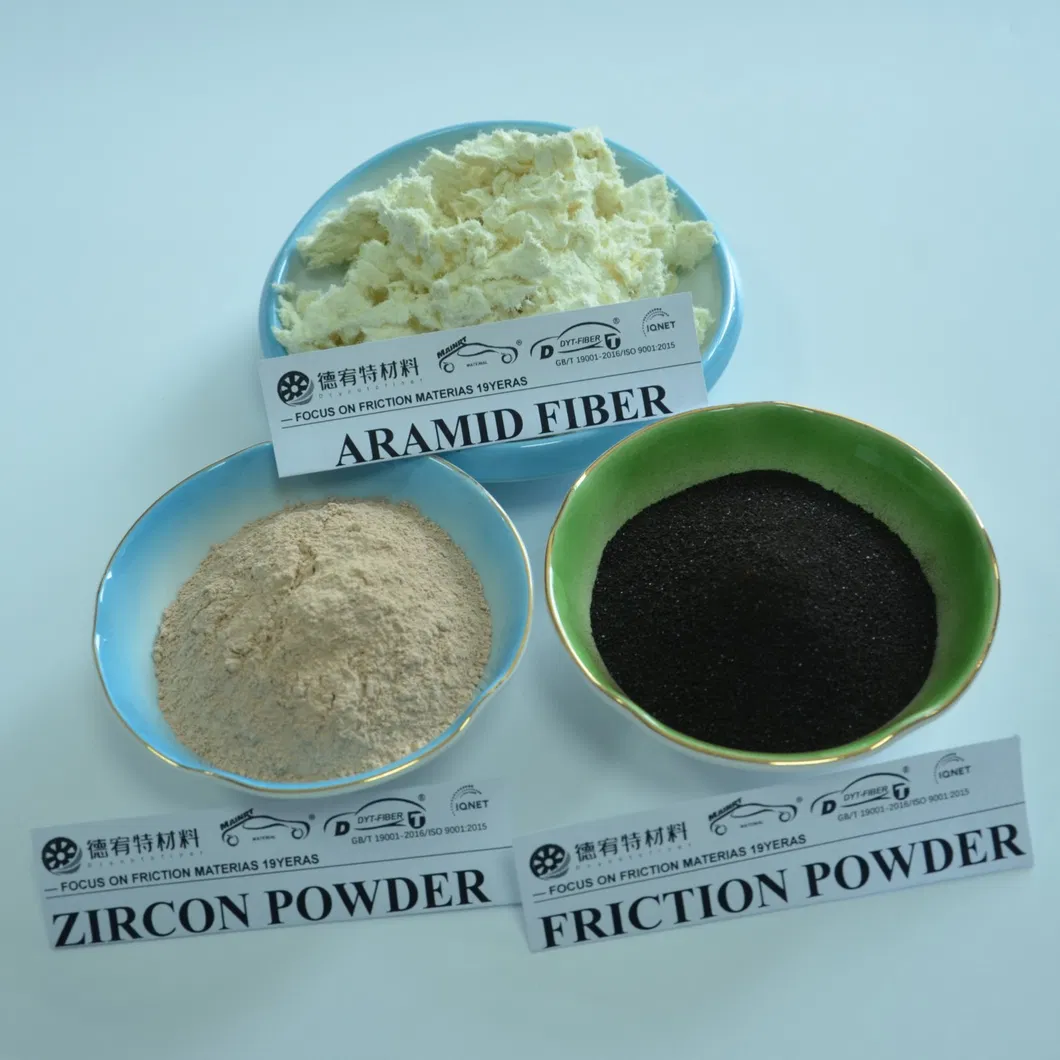
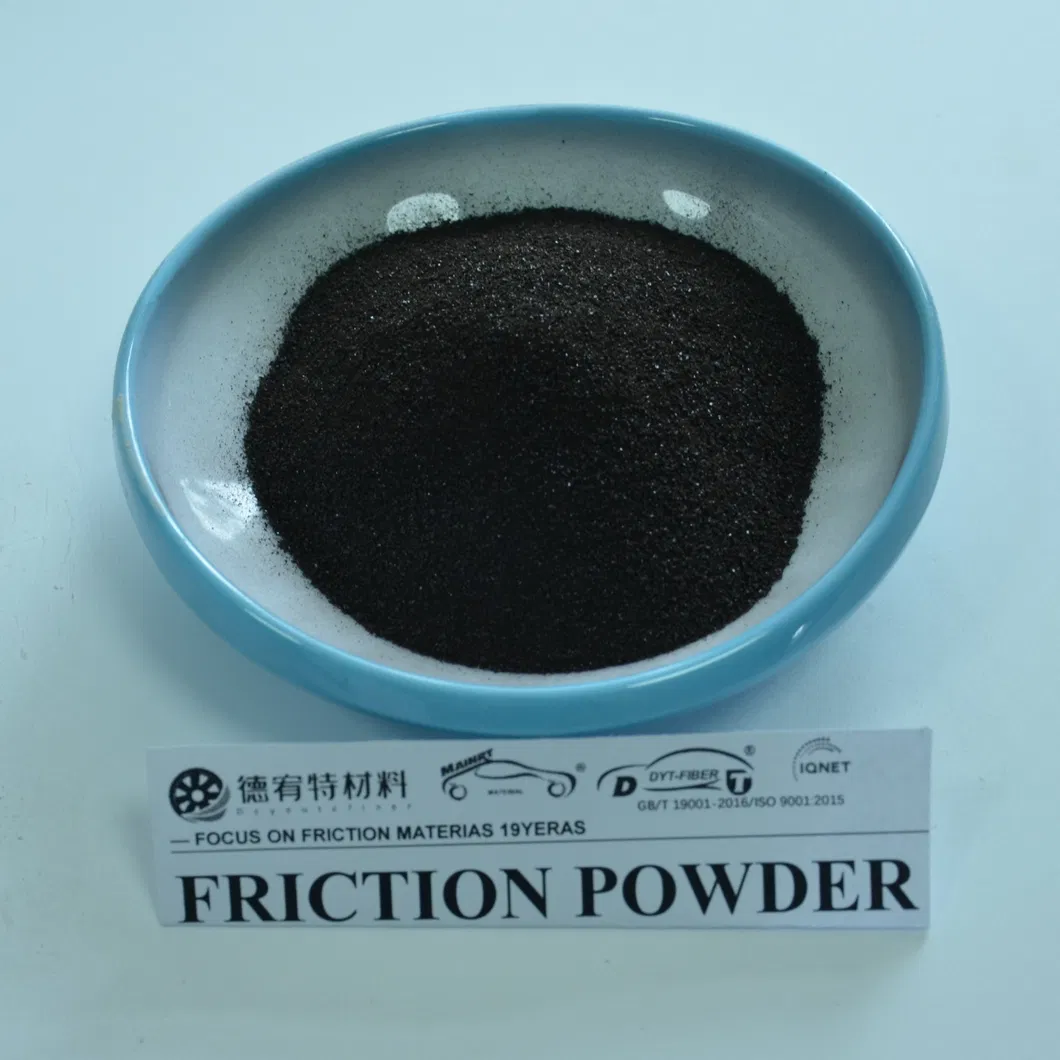
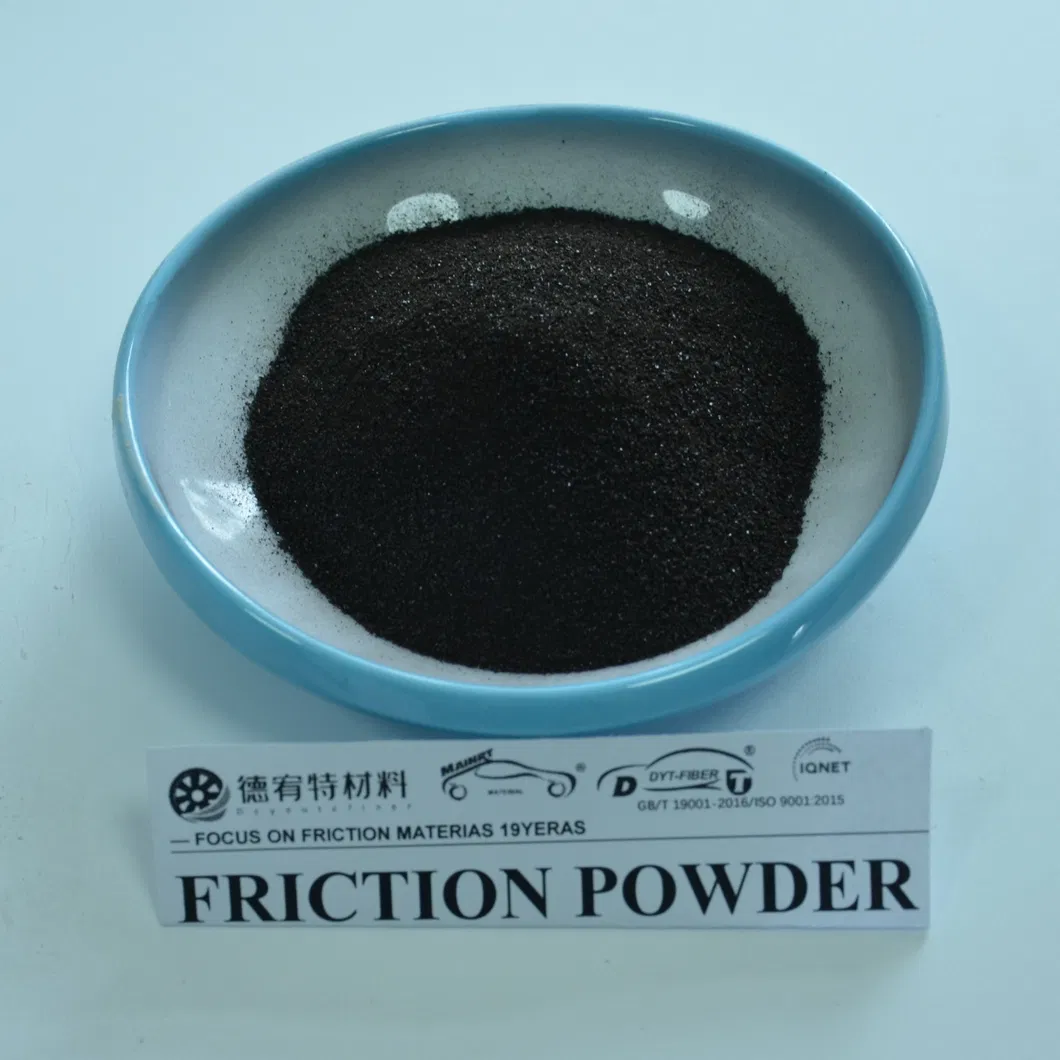
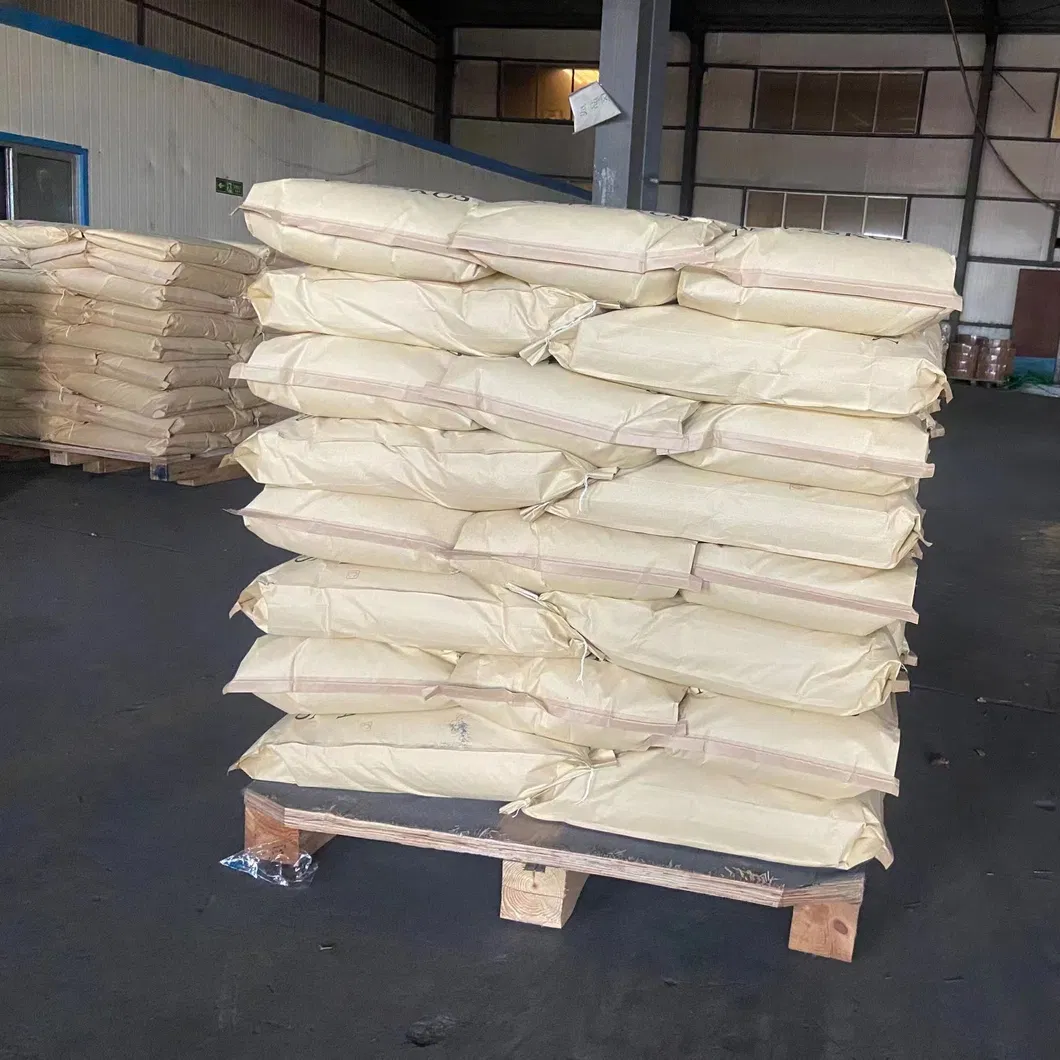
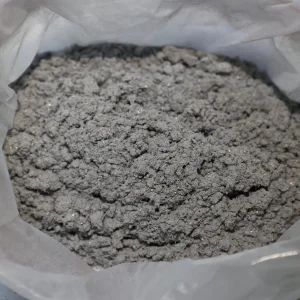
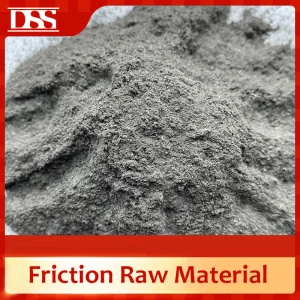
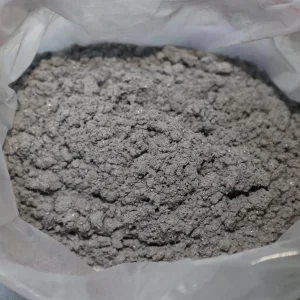
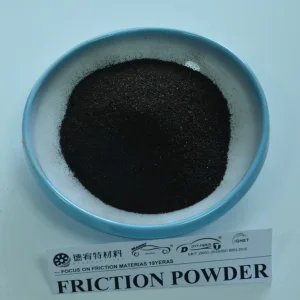
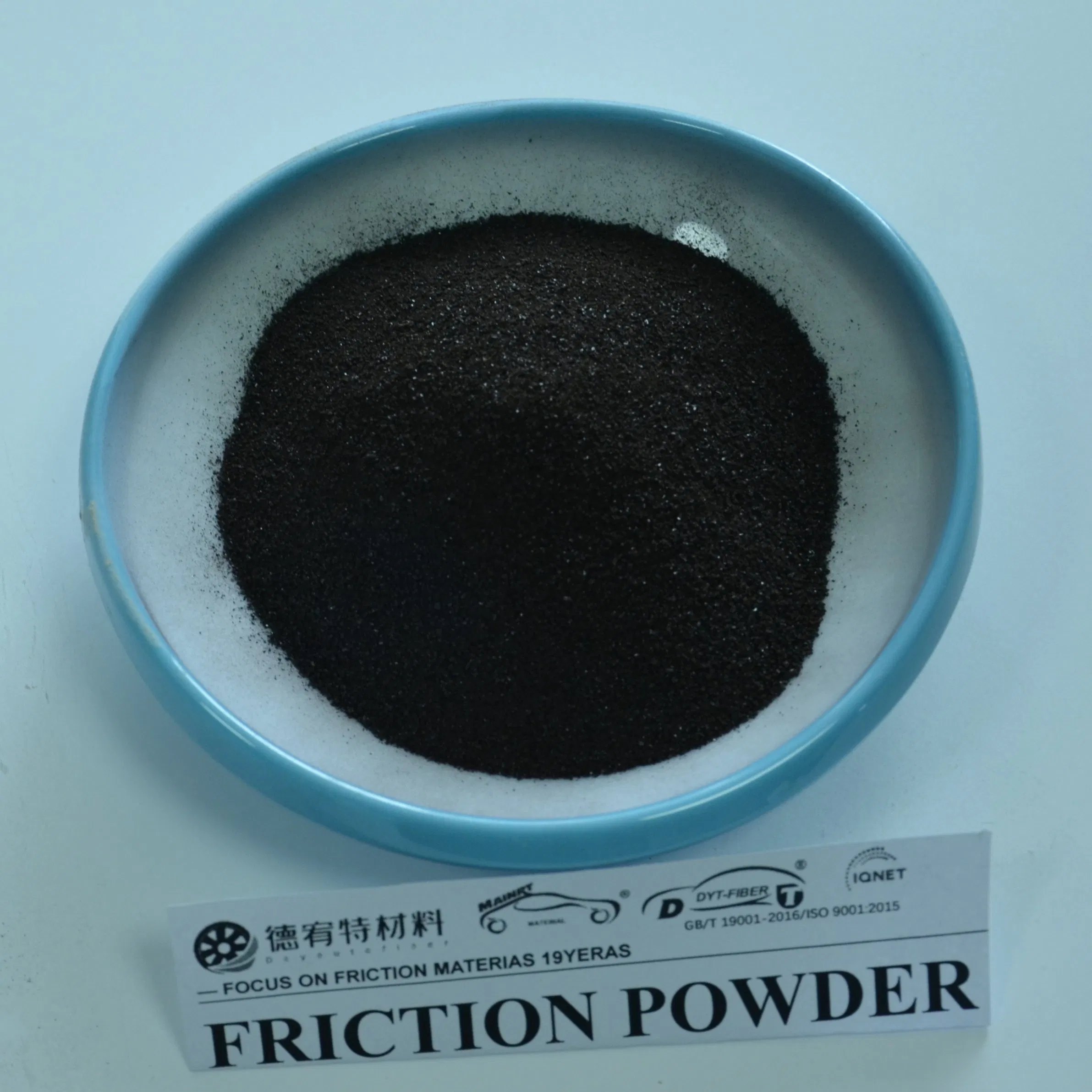
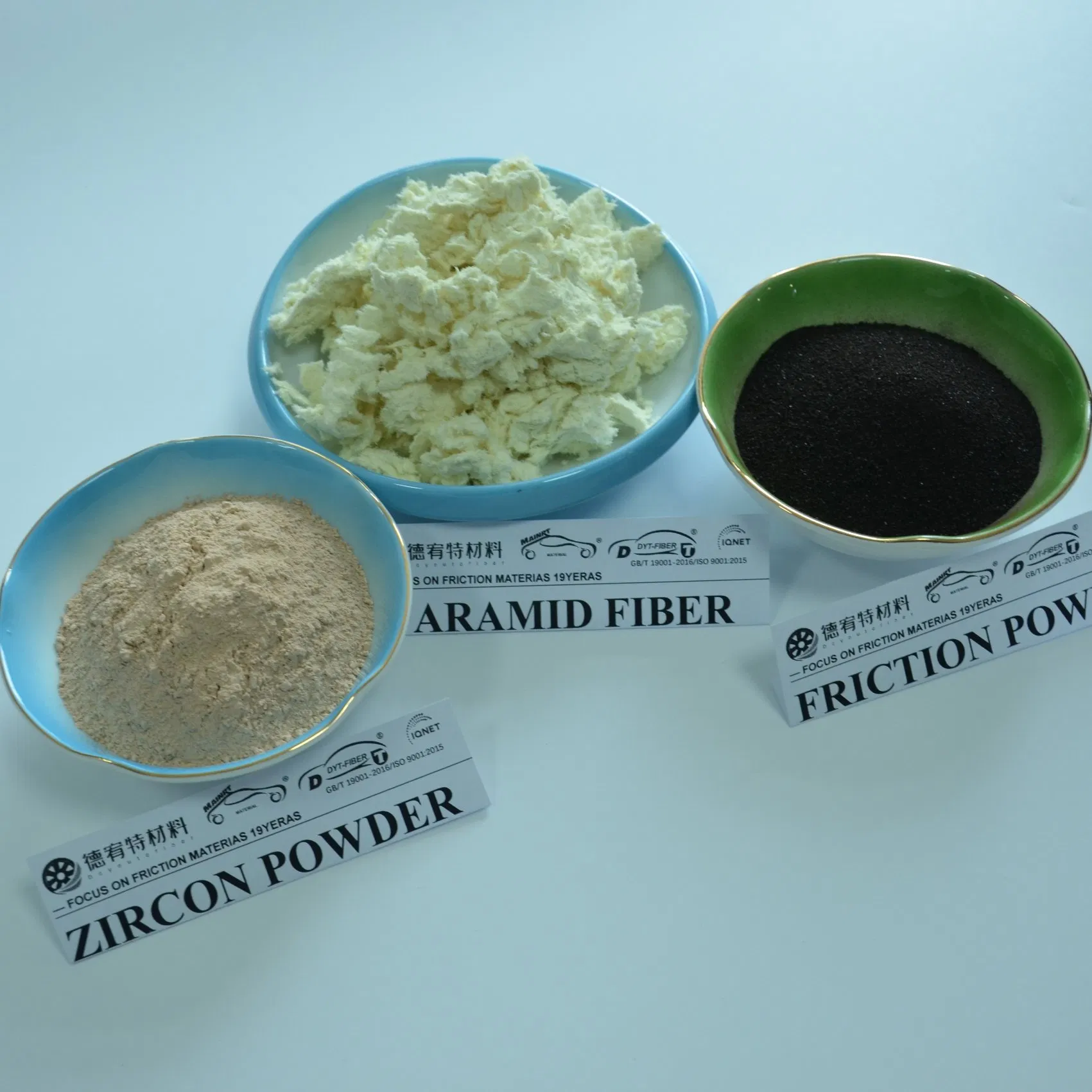
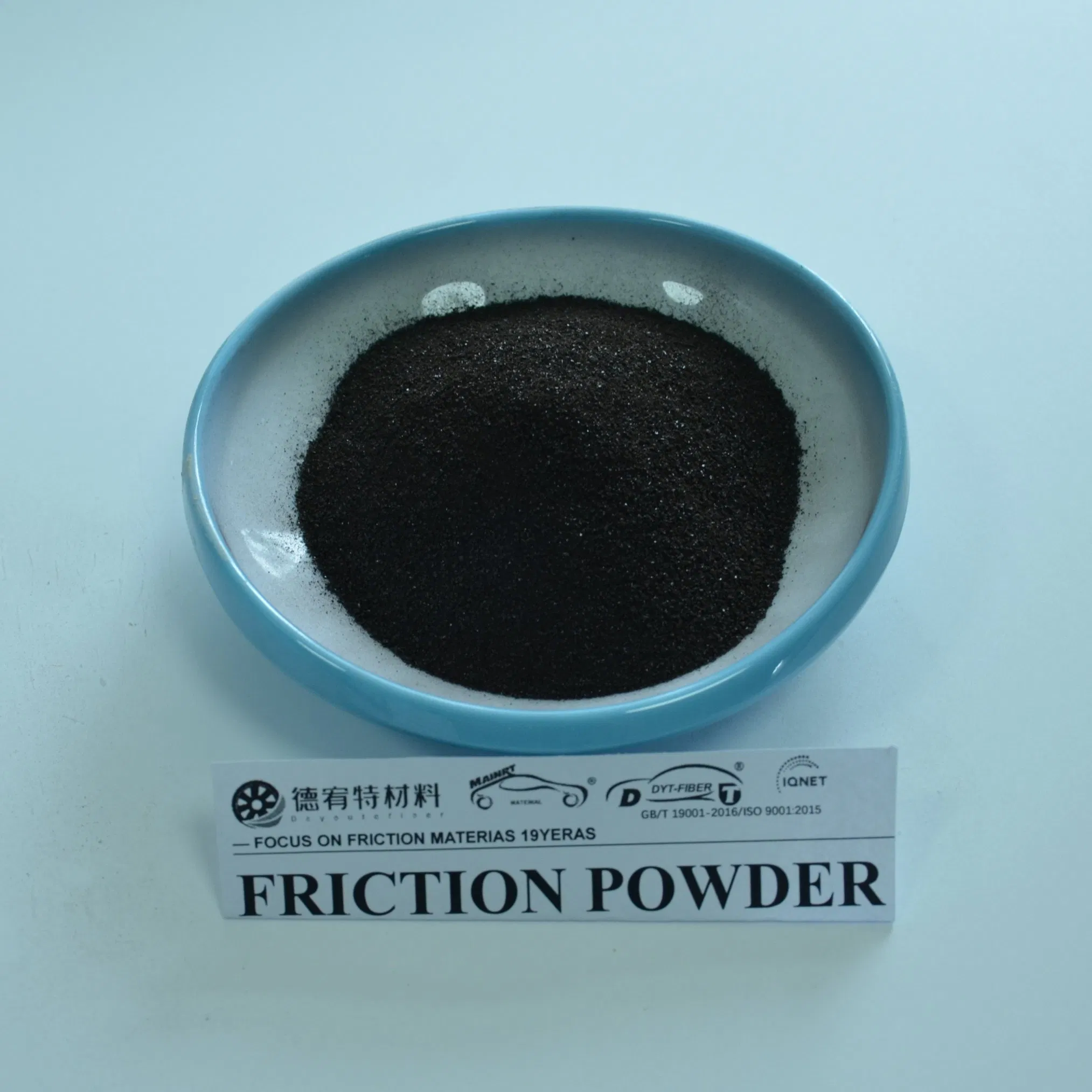
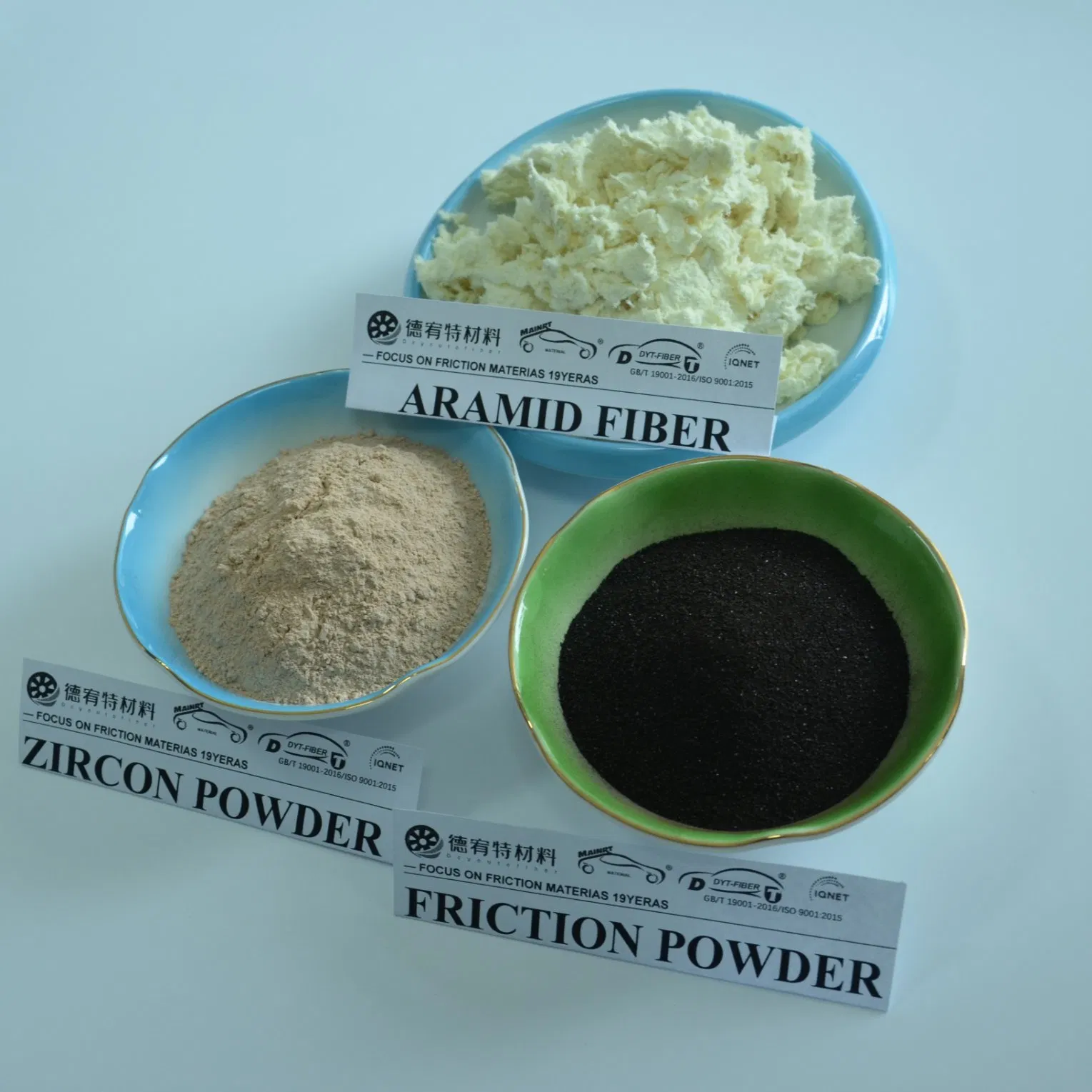
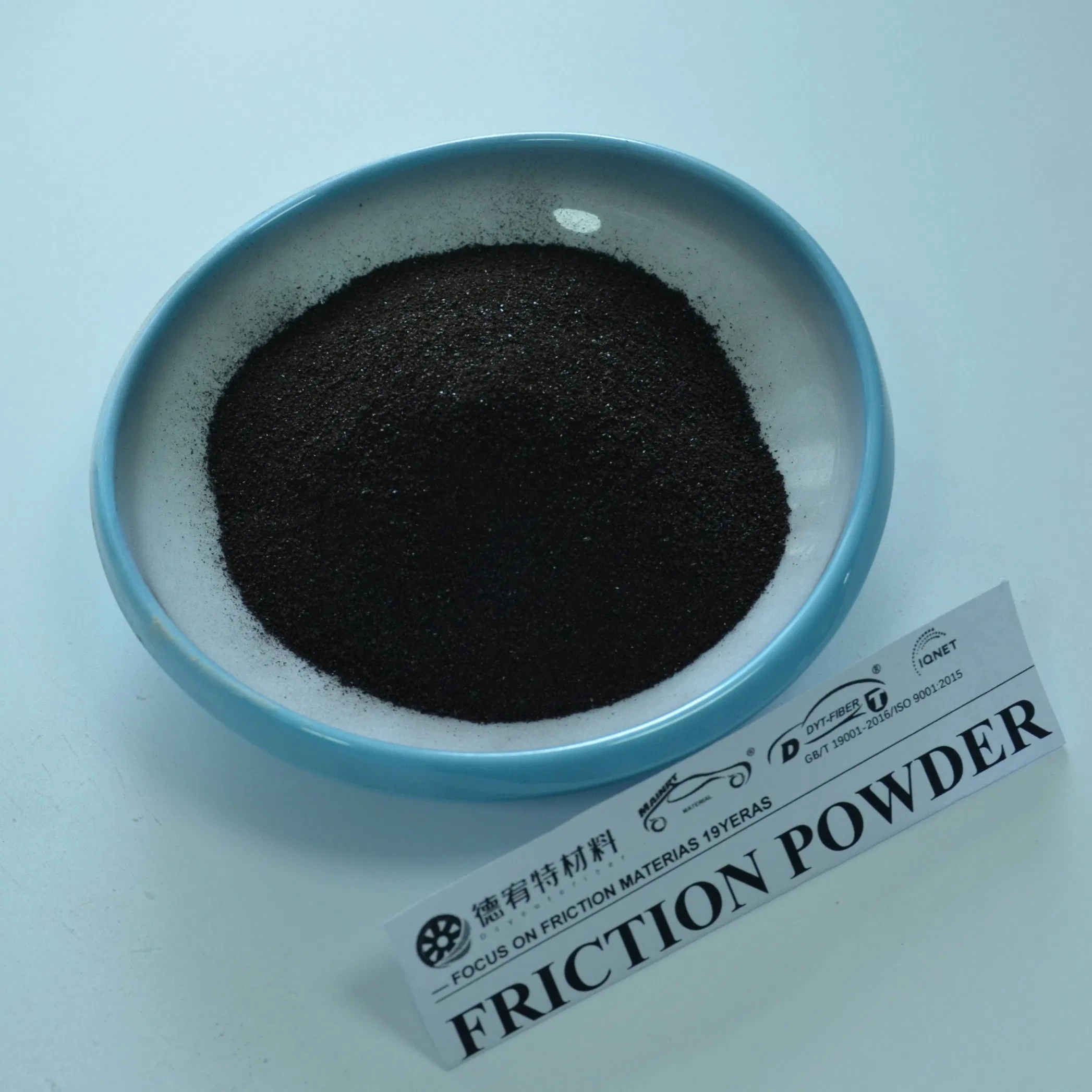
Cashew friction dust made from cashew phenol is a high-quality, pollution-free, and economical raw material for friction products. It serves as an excellent additive for friction material products such as brake pads and clutch plates in motor vehicles and mechanical equipment like automobiles and motorcycles.
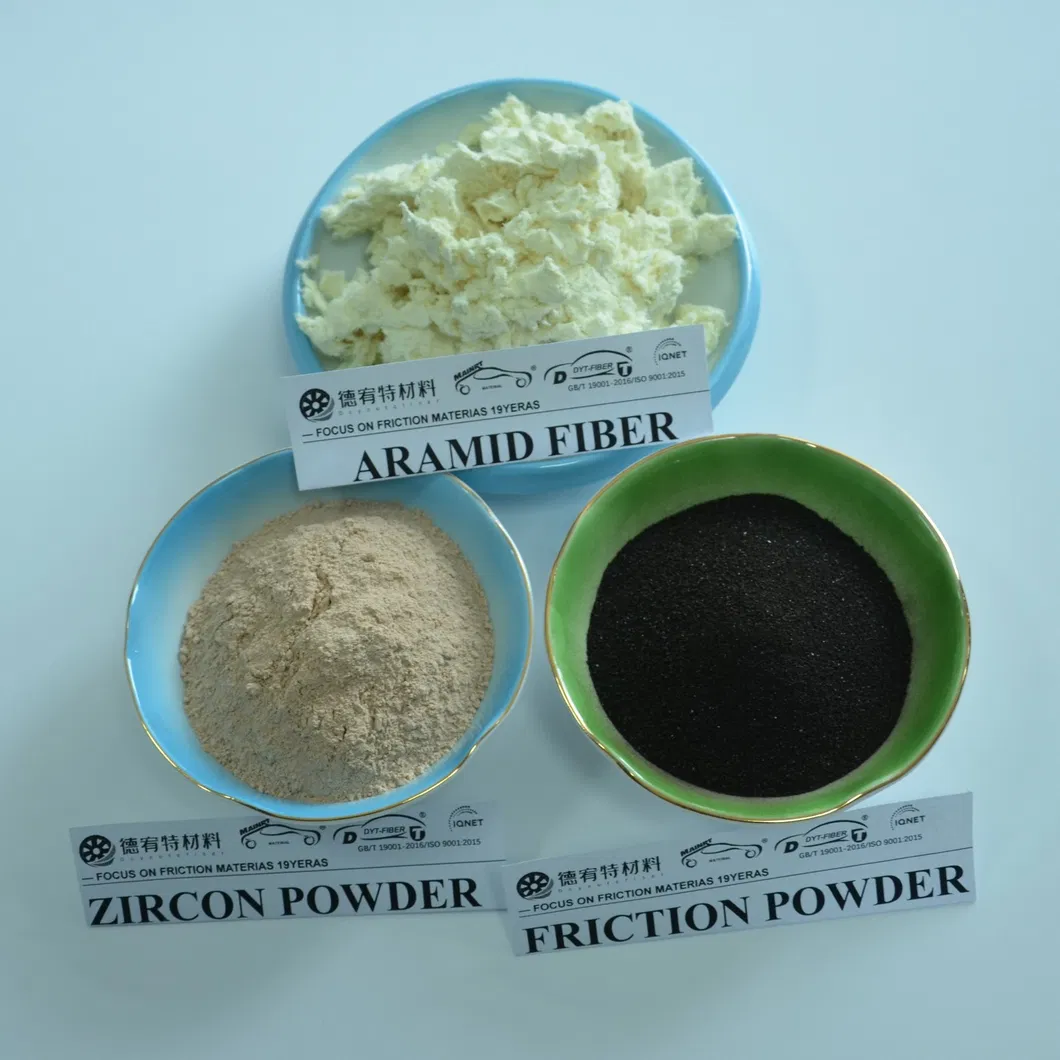
Key Advantages:
✓Stable Performance: Maintains a stable friction coefficient even during high-temperature operation (above 300ºC).
✓Eco-Friendly: Processed from vegetable oil (cashew shell oil), releasing no harmful substances.
✓Durability: Reduces hardness of friction materials, decreasing wear on mating surfaces and prolonging service life.
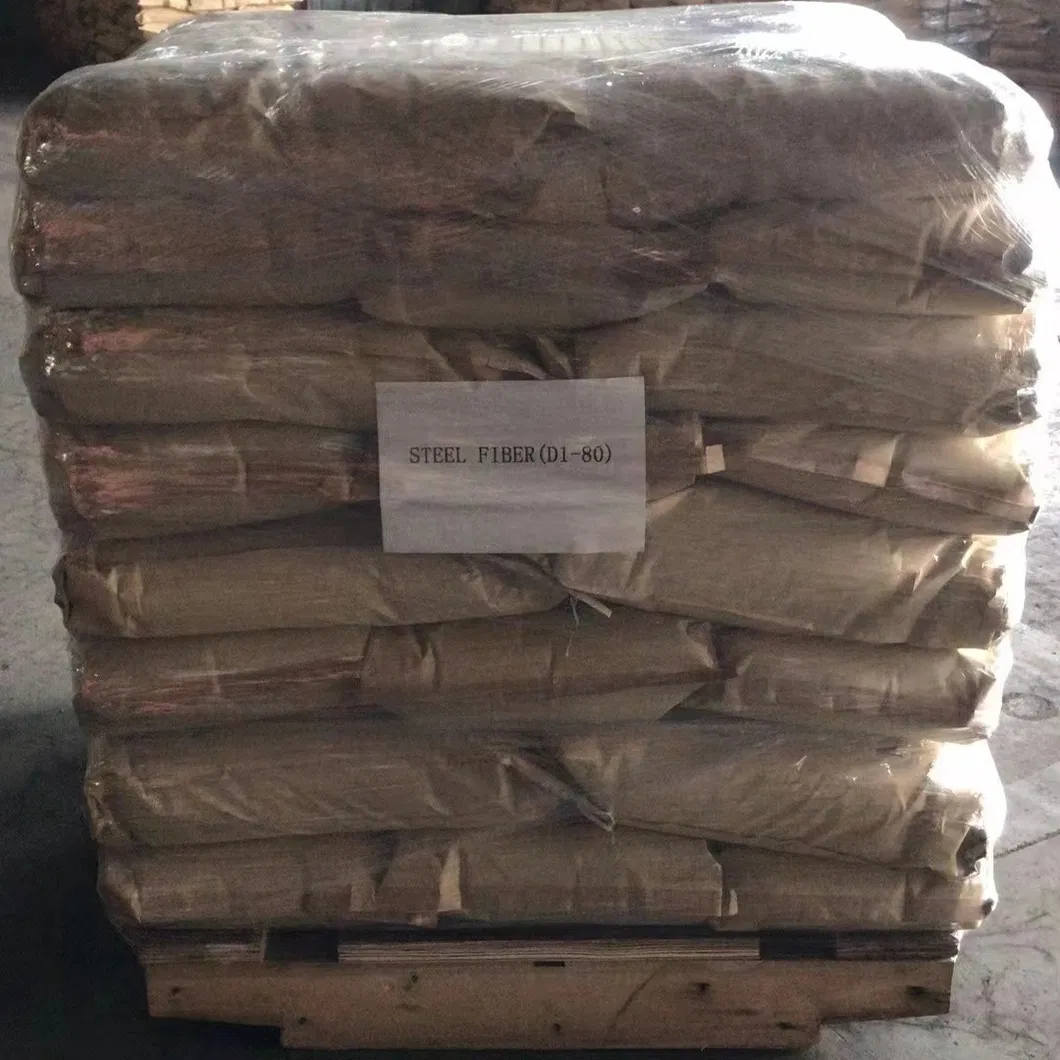
2. Steel Wool Fiber (D1-80)
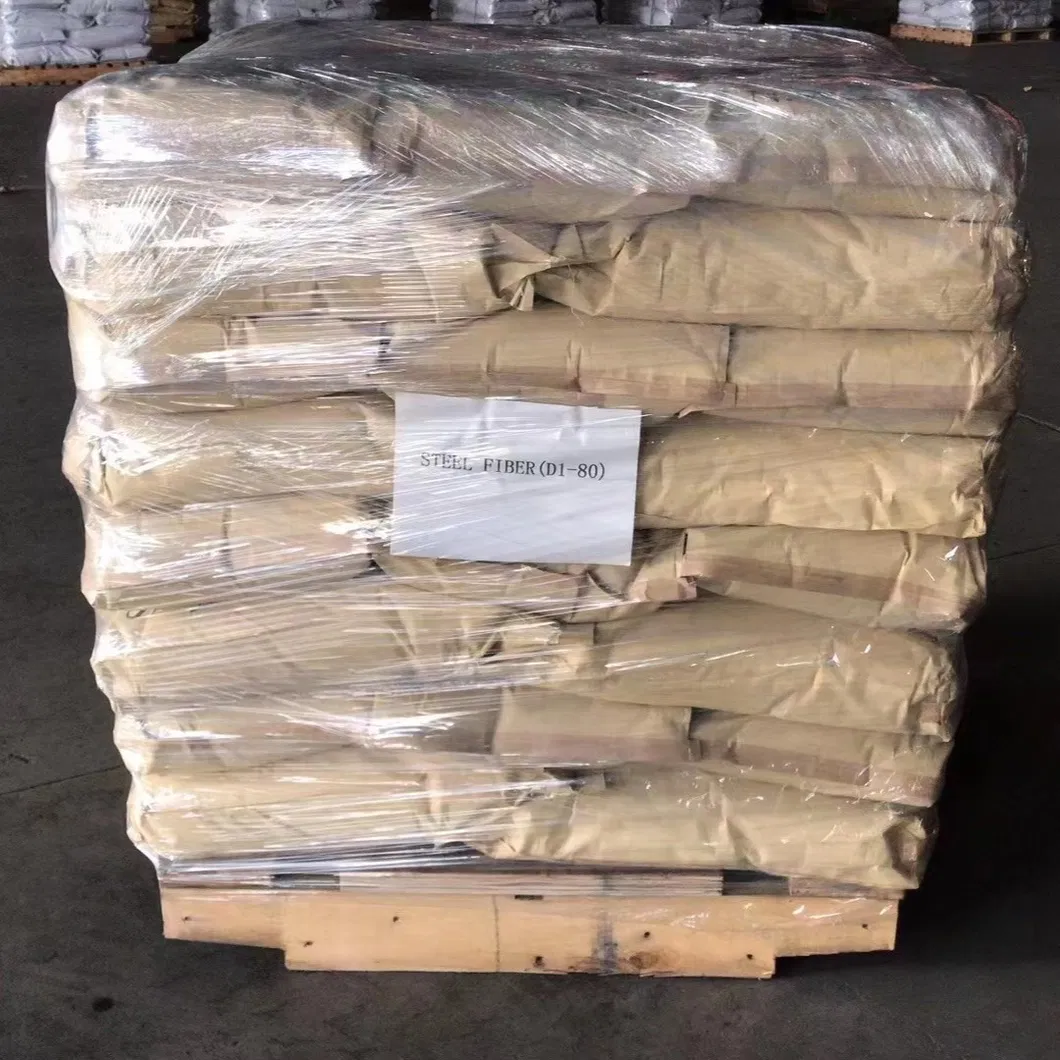
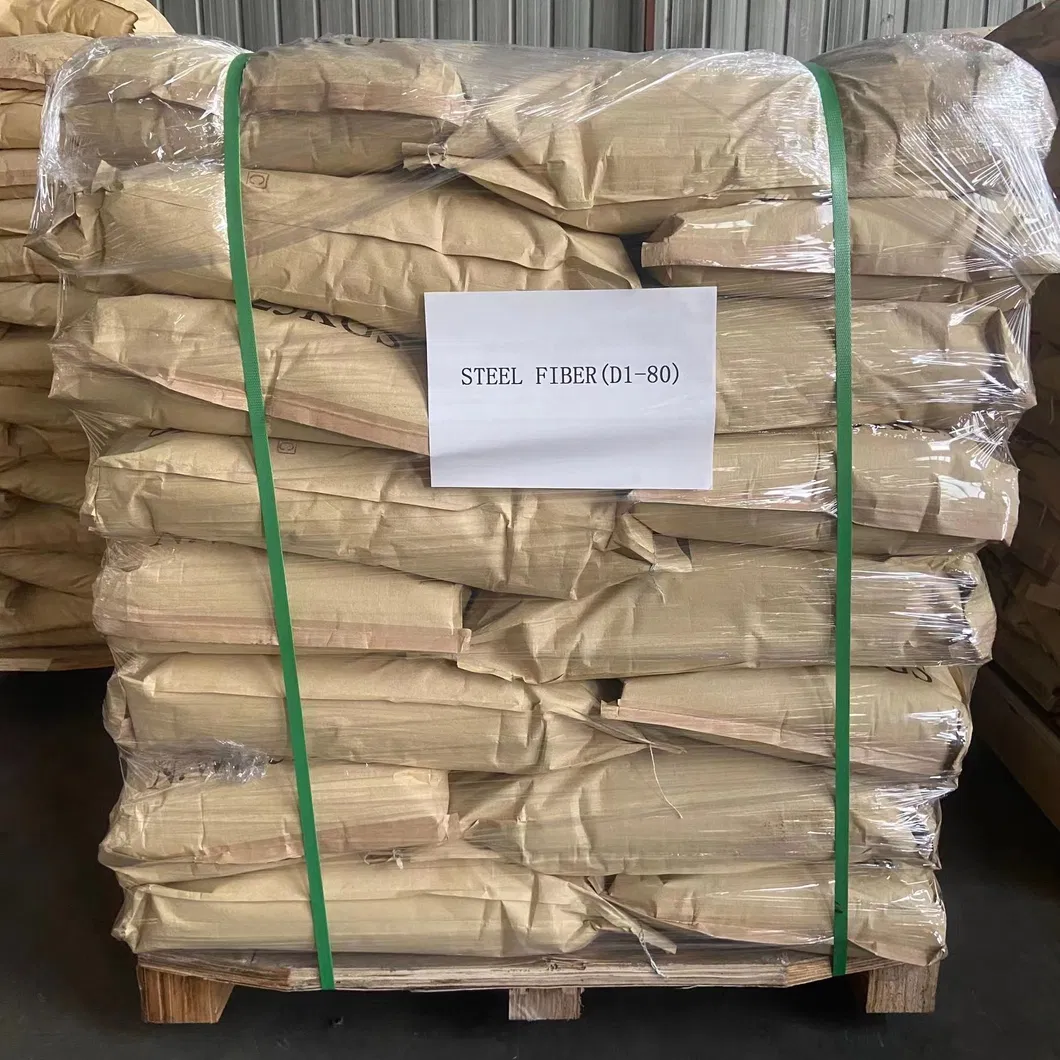
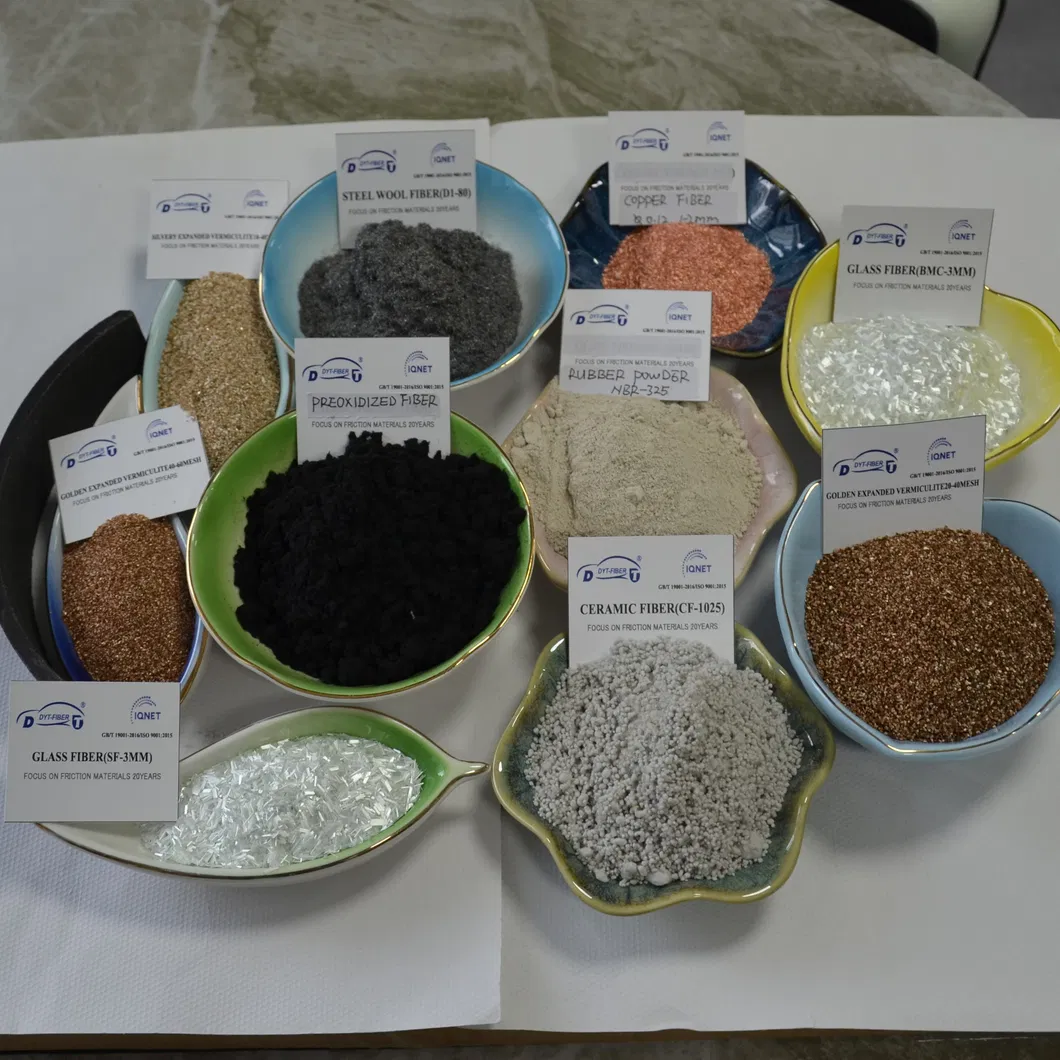
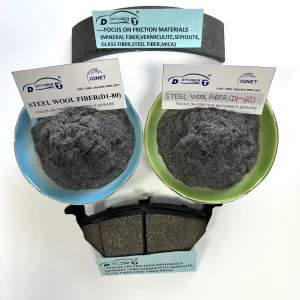
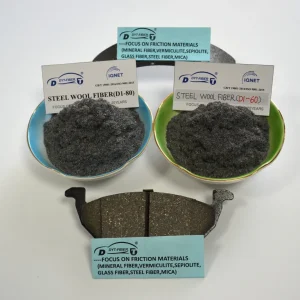
Steel wool Fiber D1-80 is an ideal material for friction materials, asphalt products, and more. It is suitable for automobiles, motorcycles, trains, and aircraft mechanical brakes.
| C | Si | Mn | S | P |
| 0.07-0.12 | 0.07 MAX | 0.8-1.25 | 0.03 MAX | 0.03 MAX |
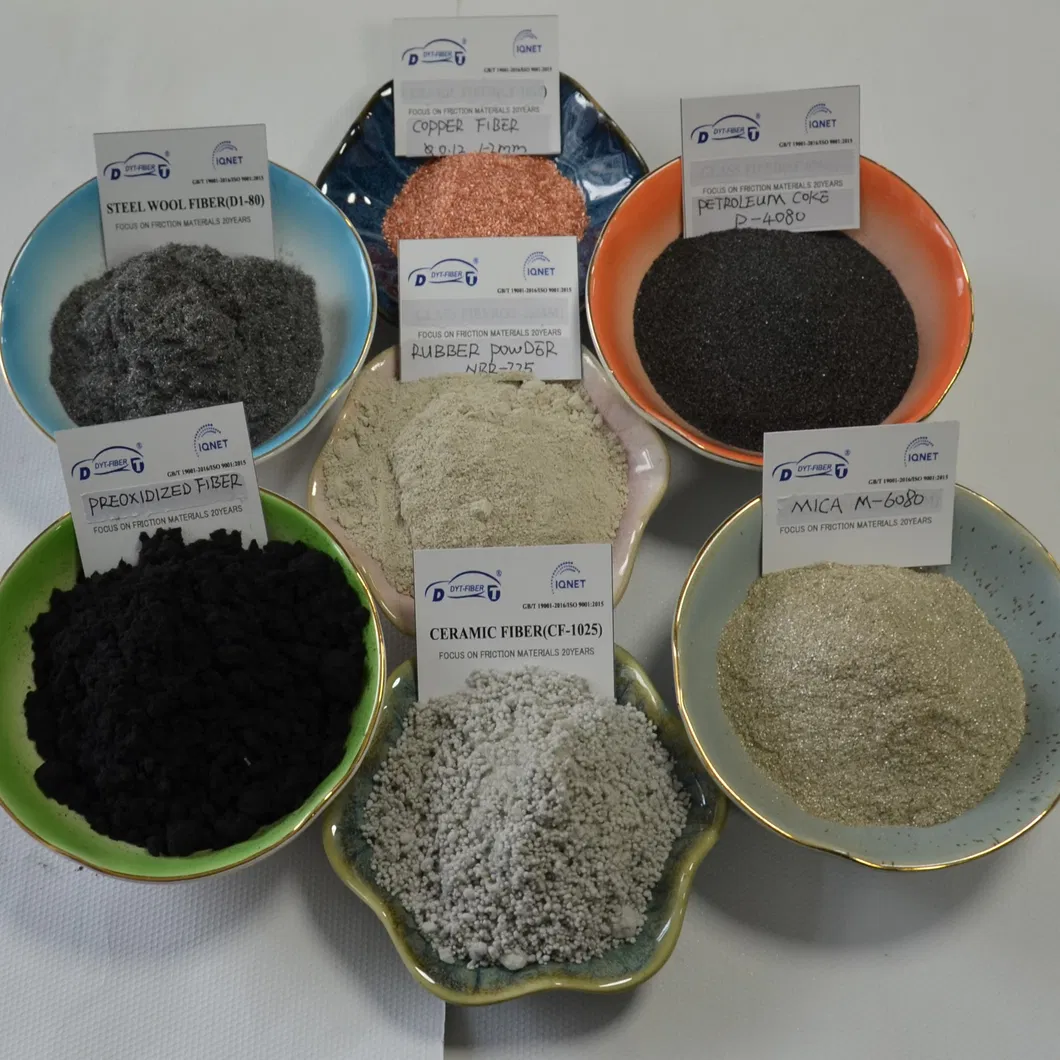
3. Rubber Powder NBR-325
Rubber Powder NBR-325 is designed for high strength, wear resistance, and chemical resistance. It is an ideal filling material for friction products.
| Test Items | Basis | Index | Data | Conclusion |
| 60 mesh sieve residue (%) | GB/T19208 | ≤ 8 | 2 | Pass |
| Heating loss (%) | GB/T19208 | ≤ 1.2 | 0.8 | Pass |
| Rubber hydrocarbon content (%) | GB/T19208 | ≥ 35 | 38 | Pass |
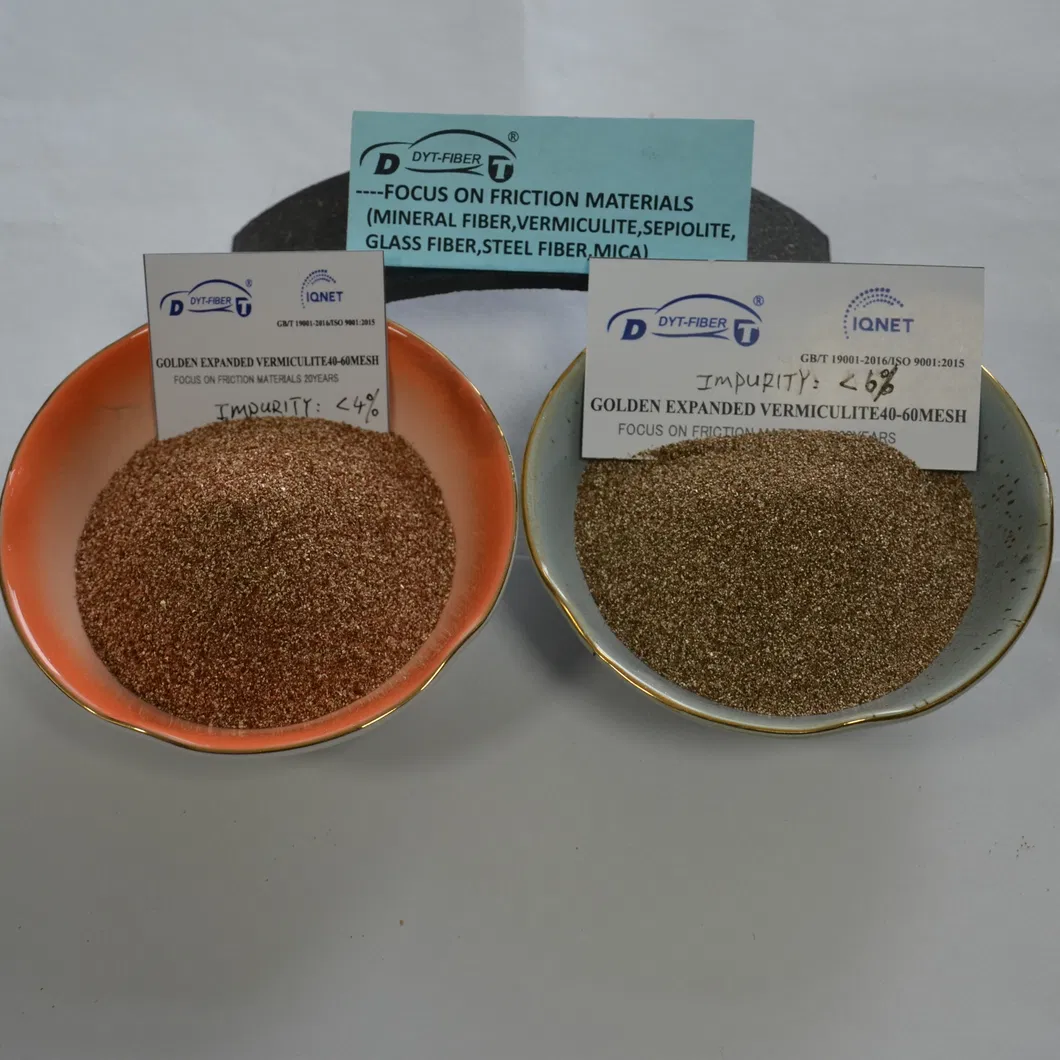
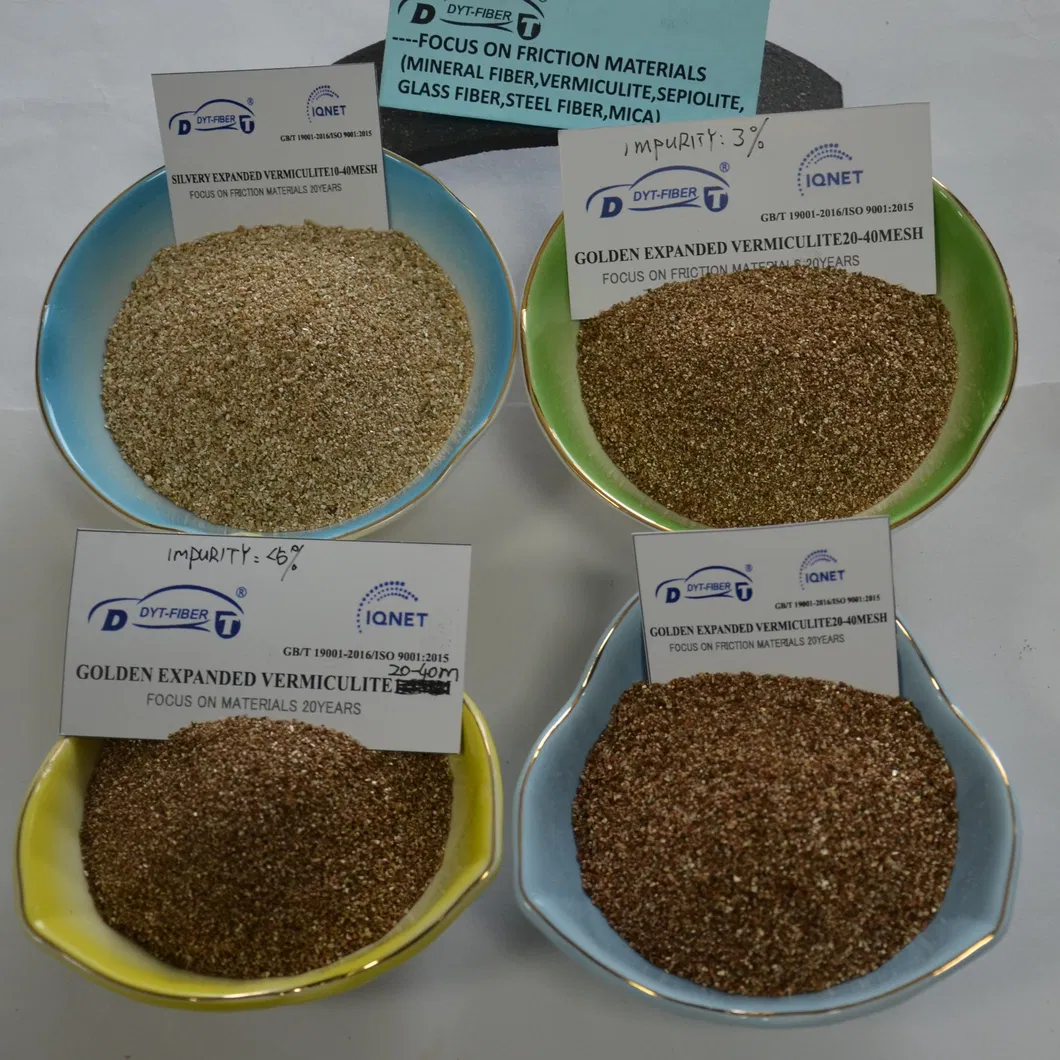
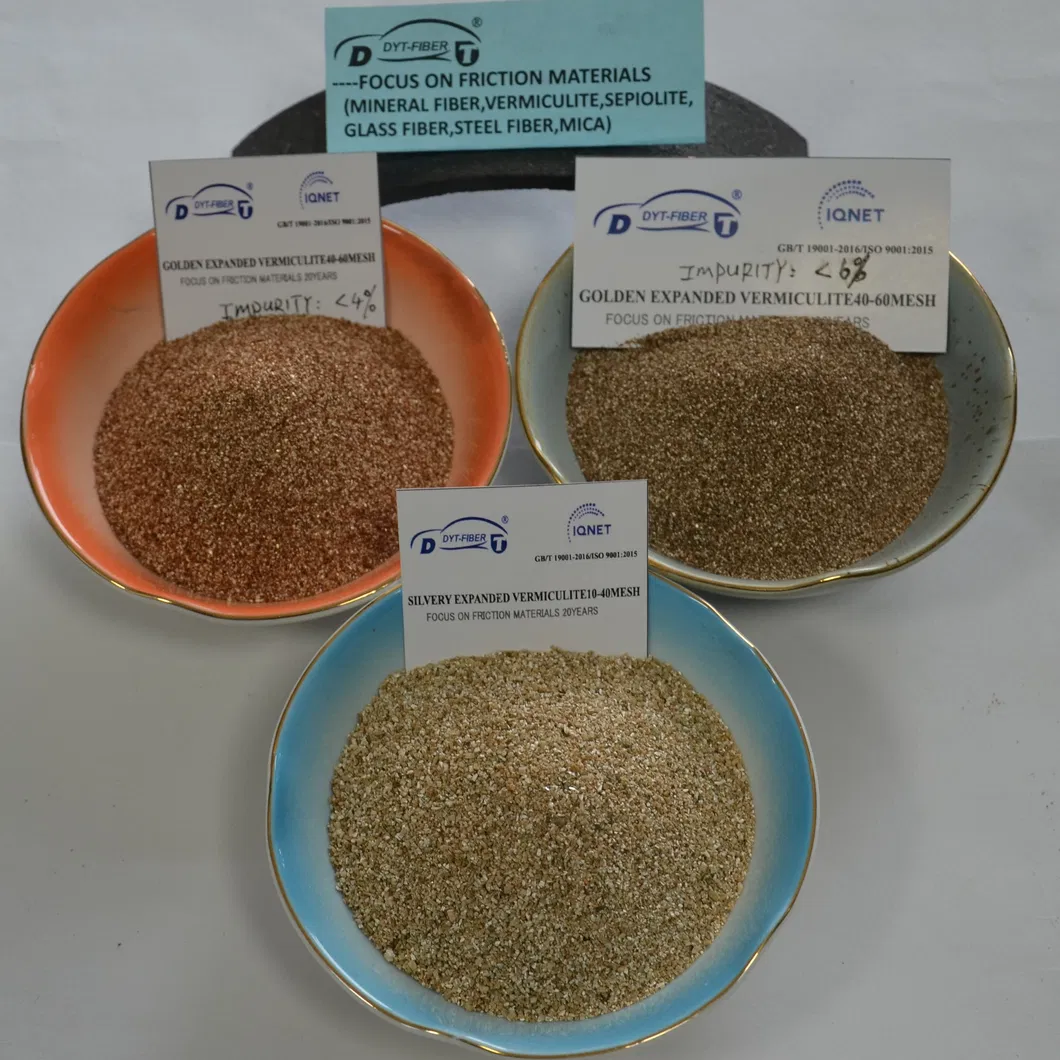
4. Golden Expanded Vermiculite EVG-4060
A versatile material used in friction materials, construction, metallurgy, and horticulture. It offers excellent thermal stability and chemical resistance.
5. Mica Powder M-60/80
| Physical Properties | Value |
| Bulk Density (g/m3) | 0.4-0.5 |
| Whiteness (%) | 50-60 |
| Heat Resistance (° C) | 1300 |
| Moisture (%) | <0.5 |
Frequently Asked Questions
What are the primary benefits of using Cashew Friction Dust in brake pads?
Cashew friction dust ensures a stable friction coefficient at high temperatures, reduces noise, improves wear resistance, and prevents "locking up" during intense braking.
Is the friction powder environmentally friendly?
Yes, it is processed from natural cashew shell oil (vegetable oil) and does not release harmful substances during use, making it an eco-friendly choice.
What is the recommended dosage of friction powder in the raw material formula?
Typically, adding only 3% to 6% of cashew friction dust to the formula is sufficient to significantly improve the quality and performance of the friction products.
How should these materials be stored?
Materials like cashew friction dust should be stored in a cool, dry place to prevent moisture penetration. Opened packs should be resealed immediately.
What applications are suitable for Steel Wool Fiber D1-80?
It is widely used in brake systems for automobiles, motorcycles, trains, and aircraft, as well as in asphalt products for its heat dissipation and stable performance.
What industries utilize Golden Expanded Vermiculite?
Beyond friction materials, it is used in construction, metallurgy, chemical industries, environmental protection, and horticulture.