Explore our primary range of heavy-duty, performance-tested, and certified friction components optimized for passenger vehicles, heavy trucks, and rail applications.
Hangzhou MOAD AUTO Co., Ltd. stands as a premier global manufacturer and specialized exporter of high-performance brake system components, safety assemblies, and premium friction materials. Based in the high-tech automotive manufacturing corridor of Hangzhou, China, our company systematically integrates advanced R&D labs, state-of-the-art production matrices, rigorous testing chambers, and an extensive global logistics footprint. Our core mission is to provide the international automotive sector with environmentally sound, safe, and robust braking solutions that adhere strictly to international ESG guidelines and regulatory certifications.
By leveraging our expert team of automotive engineers and material scientists, MOAD AUTO continuously innovates across organic, metallic, and semi-metallic friction interfaces. Our products, ranging from passenger vehicle disc brake pads to heavy-duty industrial clutches and railway components, are engineered to deliver reliable stopping power under severe thermal environments, high velocity, and extreme load cycles. We serve as a trusted tier-1 and tier-2 OEM vendor and aftermarket partner, ensuring complete mechanical integrity, low noise levels, minimal wear rates, and optimal pedal feel.
The automotive landscape is undergoing a structural paradigm shift driven by stricter environmental mandates such as the Euro 7 regulations, which for the first time codify limits on brake wear particulate emissions. At Hangzhou MOAD AUTO Co., Ltd., we have aligned our R&D pipeline with these macro developments. Our technology roadmap focuses on solving the engineering challenge of reducing fine particulate matter (PM10 and PM2.5) generated during friction braking while improving material compatibility with regenerative braking setups in Electric Vehicles (EVs).
Traditional brake pads release copper dust that is toxic to marine environments. Our sustainable formulation strategy substitutes copper with advanced synthetic silicates, carbon fibers, and Kevlar lattices, maintaining the friction coefficient (μ) between 0.35 and 0.45 without ecological degradation.
EV brakes remain disengaged longer due to electric motor braking, making them susceptible to corrosion and friction delay. Our new generation of zinc-plated backing plates and oxidation-resistant ceramic discs ensures immediate friction response even after prolonged inactivity.
We completely reject the use of asbestos or heavy metals. Using bio-soluble mineral fibers, structured graphite, and recycled steel wool, we fabricate matrix materials that satisfy environmental laws across North America, Europe, and the APAC region.
| Performance Indicator | Legacy Semi-Metallic | Standard Low-Metallic | MOAD Advanced Asbestos-Free Ceramic |
|---|---|---|---|
| Friction Coefficient (μ) Stability | Good (0.32 - 0.40) with slight hot fade | Excellent (0.38 - 0.45) | Highly Stable (0.35 - 0.42) across 50°C to 650°C |
| Dust Generation & PM2.5 | High (Black metallic dust) | Medium | Ultra-Low (Non-adherent light grey dust) |
| Thermal Fade Resistance | 400°C Limit | 550°C Limit | Up to 680°C under continuous load |
| Acoustic Emission (Noise) | > 78 dB (High Squeal Risk) | > 72 dB | < 65 dB (Dual-layer shims included) |
| Environmental Classification | Non-Compliant (Contains Copper/Heavy metals) | B-Level Compliant | N-Level (Zero-Copper & Asbestos-Free Certified) |
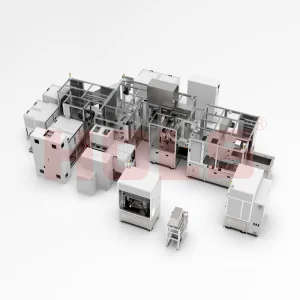
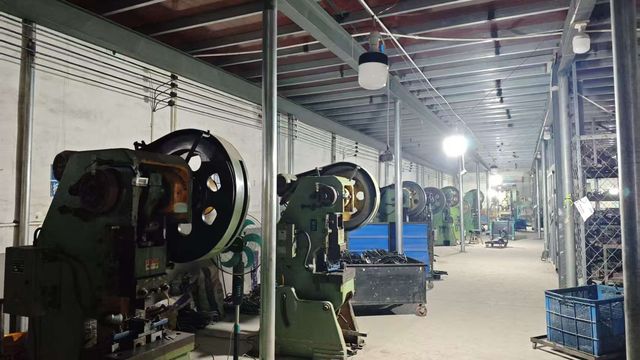
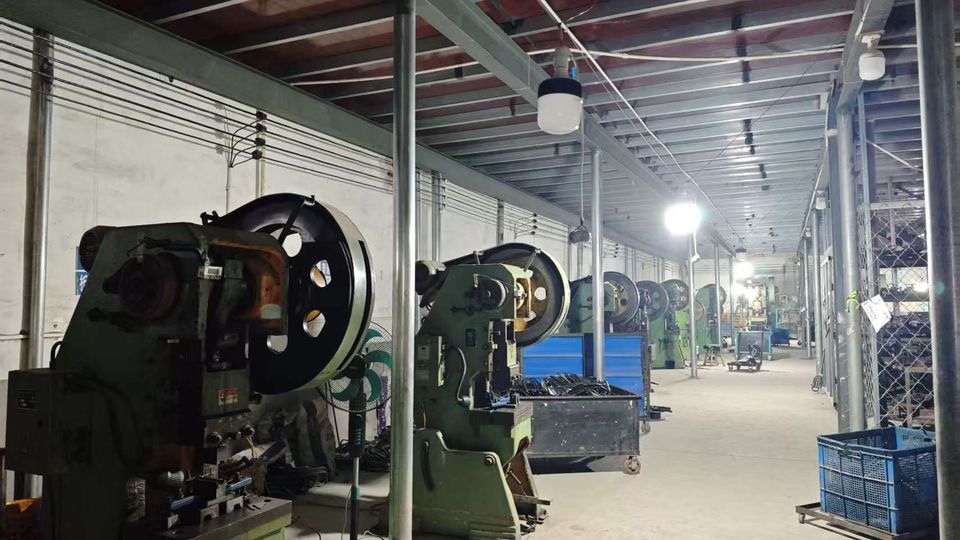
Hangzhou MOAD AUTO Co., Ltd. operates a computerized production facility built to Industry 4.0 specifications. By employing end-to-end automated manufacturing protocols, we eliminate human variability in mixing, pressing, curing, and grinding phases. Our integrated plant infrastructure utilizes intelligent SCADA networks to monitor pressure, temperature, and cycle time in real-time, archiving every batch's metrics to ensure complete product traceability.
The precision of friction material performance relies heavily on raw material ratios. Our facility utilizes automated pneumatic weight dosing machinery that guarantees tolerance levels within ±0.1% for up to 25 raw material components per formulation.
Unlike cold pressing techniques, our positive hot-press stations lock raw composites under uniform thermal pressure, ensuring a consistent density matrix. This drastically reduces internal air pockets, mitigating the risk of shear separation and delamination.
Our strategic position in Hangzhou offers direct access to key bulk material supplies (steel wool, resin, specialized ceramic oxides) and deepwater shipping terminals in Ningbo and Shanghai. This robust logistics integration guarantees zero-disruption timelines for large-scale OEM orders.
For international sourcing directors, purchasing automotive parts from overseas requires transparency, regulatory safety, and quality assurance. At MOAD AUTO, we streamline this process by aligning our communication, quality documentation, and shipping pipelines with international standards. We understand that global buyers require consistent manufacturing, clear certifications, and customized engineering services.
We modify friction coefficient levels, heat dissipation profiles, and hardware backing plates to meet specific regional requirements.
Every shipment is backed by material safety data sheets (MSDS), shear testing records, and certificates of conformance (CoC).
We support Electronic Data Interchange (EDI) systems to handle automated releases, real-time inventory, and invoice reconciliation.
Using CNC routing and small-batch compounding, we supply functional prototypes within 14 business days.
Braking performance requirements vary widely across different vehicle sectors. A braking component designed for a passenger EV would fail under the weight of a multi-ton freight train or the continuous cycle of a heavy-duty industrial shear press. MOAD AUTO designs and manufactures custom products optimized for three key macro sectors:
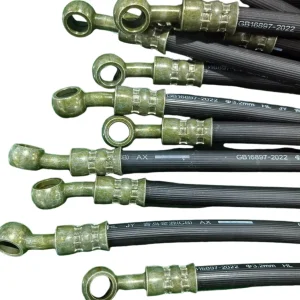
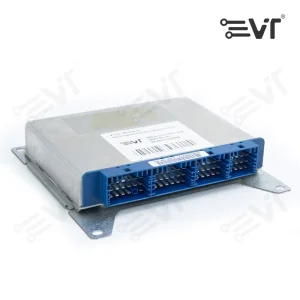
Trucks, tractors, and trailers operate under extreme loads, generating high temperatures during mountain descents. Our heavy-duty brake systems, DOT-certified PTFE-lined brake lines, and Volvo/Renault EBS control units are built to withstand high heat and maintain pressure control under pressure spikes.
Modern passenger vehicles require quiet operation, low dust, and compatibility with ADAS and regenerative motor systems. Our ceramic formulations prevent rust buildup, run quietly, and reduce dust, maintaining clean wheels and lower PM2.5 emissions.
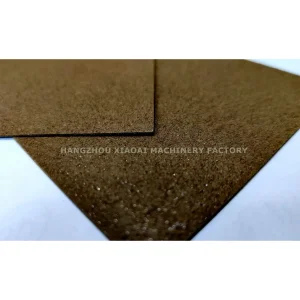
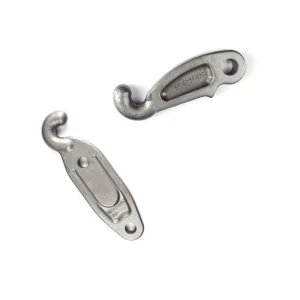
Industrial machinery and rail locomotives demand highly durable, mechanical friction interfaces. Our OEM railway levers and heavy-duty wet paper-based clutch/brake materials deliver high torque resistance and long service life.
Exporting safety-critical automotive components requires strict compliance with international regulations. Hangzhou MOAD AUTO Co., Ltd. maintains a dedicated global compliance team that monitors updates to international transport laws, chemical usage lists, and vehicle safety mandates. This proactive compliance model helps our international distribution partners avoid customs hold-ups or legal liability.
All replacement brake pads intended for European markets undergo testing to match or exceed OEM equivalents, securing the necessary E-Mark credentials.
Our hydraulic brake pipelines and PTFE-lined systems comply with DOT and SAE J1401 standards, ensuring burst resistance and reliability under pressure.
We monitor California and Washington state SB 346 requirements, ensuring our exported materials are certified as copper-free and lead-free.
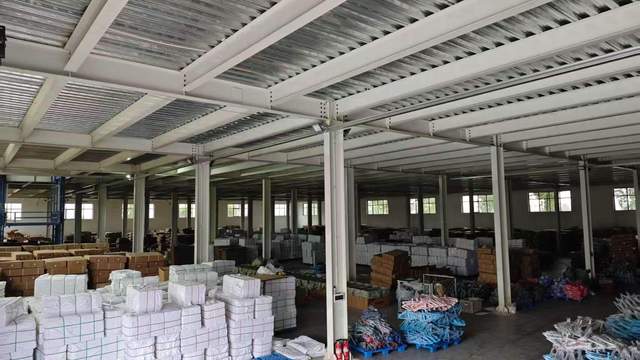
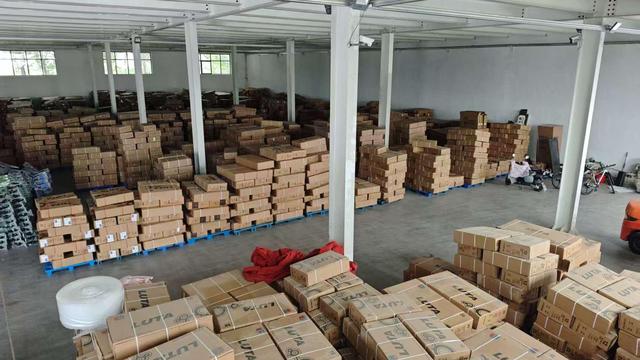
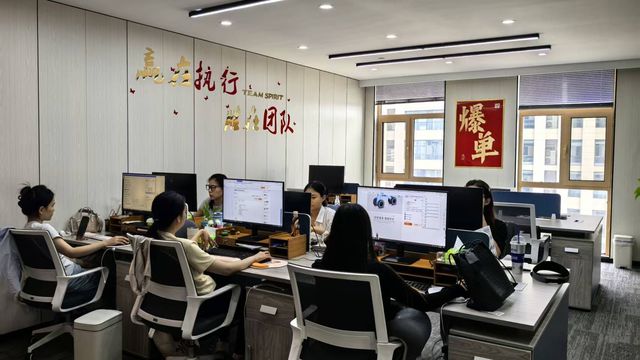
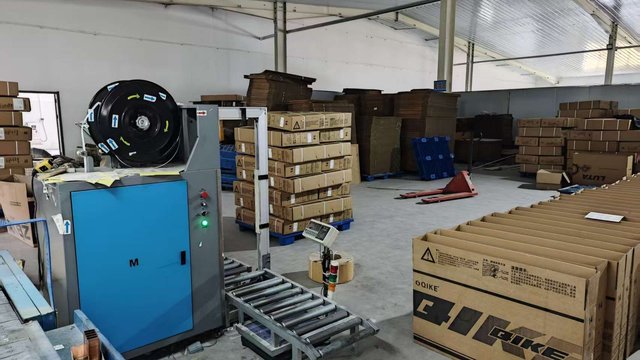
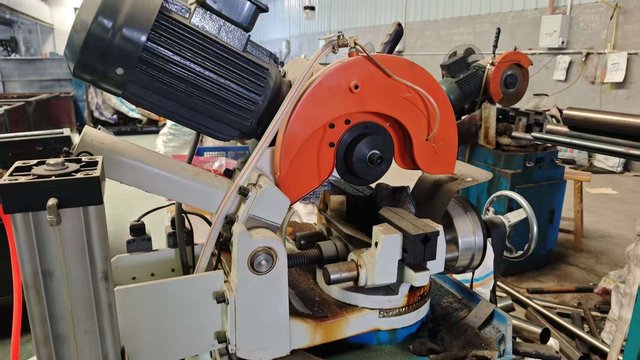
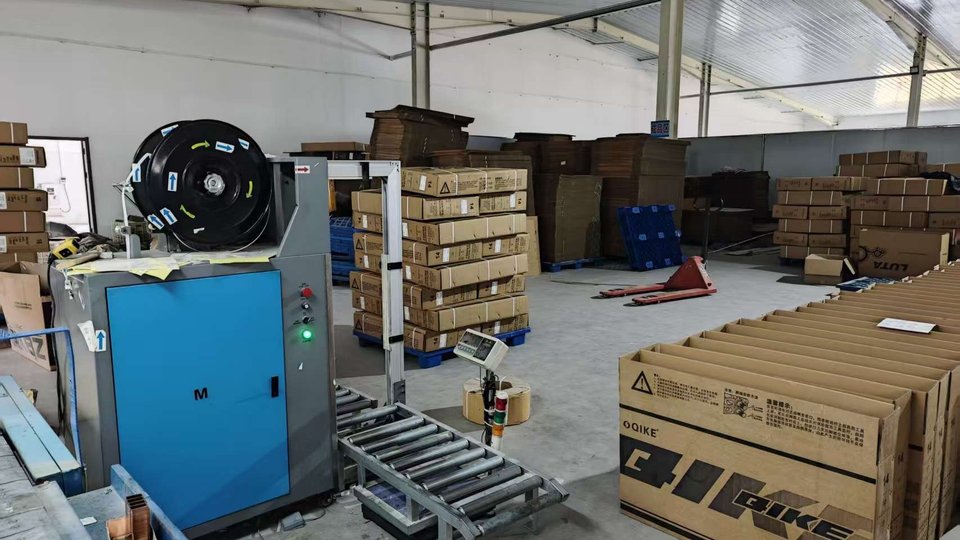
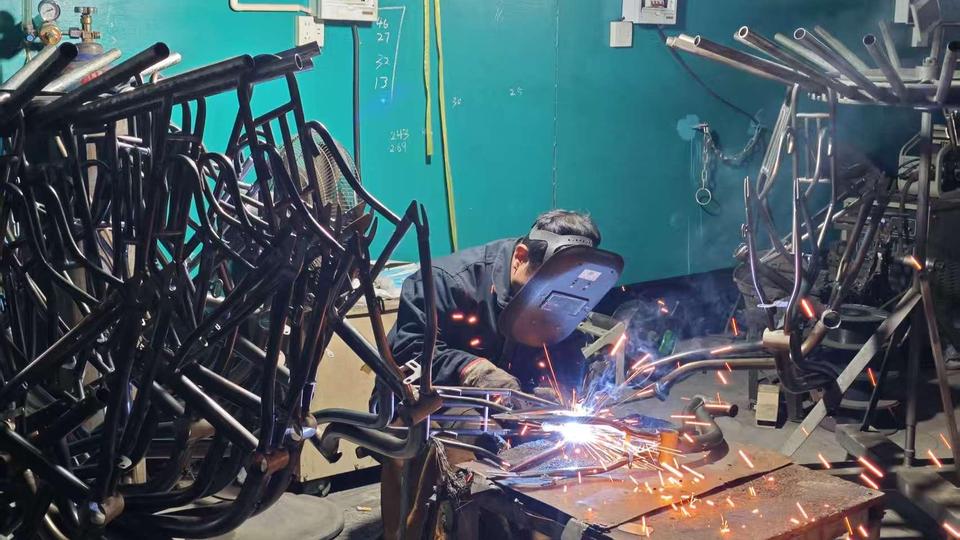
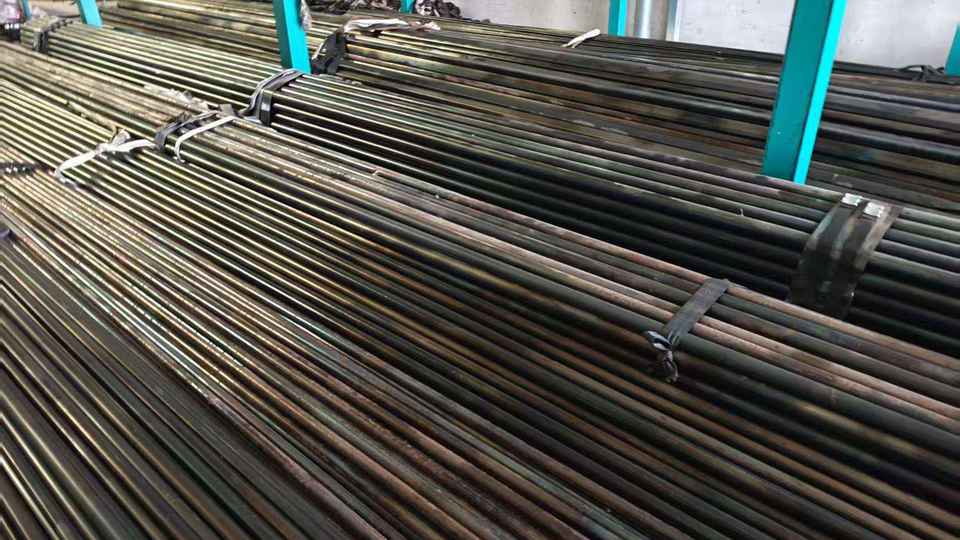
Take an inside look at our manufacturing facilities, quality control testing labs, and raw material warehousing where safety standards are monitored and enforced.
Browse our specialized industrial, vehicle-specific, and secondary braking assemblies designed for global distribution.
 MOAD AUTO