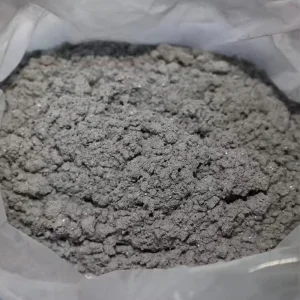
Premium friction ingredients optimized for the rigorous driving conditions of Romania's logistics corridors and urban municipal fleets.
The Romanian automotive sector, anchored by the industrial powerhouse of Bucharest and surrounding manufacturing hubs in Ilfov, Argeș, and Dolj, represents one of Central and Eastern Europe’s (CEE) most strategic vehicle assembly and aftermarket components distribution nodes. As an essential link along European transport corridors connecting the Black Sea hub at Constanța with Western Europe, Bucharest serves as a critical operational base for heavy transport fleets, passenger vehicle refurbishers, and friction component manufacturers.
Selecting and importing specialized brake pad materials for the Bucharest market requires an intimate understanding of complex tribological requirements, climate-induced wear profiles, and stringent regulatory demands under European Union mandates (including Euro 7 dust limits and REACH compliance). Standard friction compounds often fail when subjected to Bucharest's severe thermal cycling—transitioning from frozen sub-zero winters in the Carpathian basin to scorching summer urban gridlock along the DNCB (Bucharest Ring Road).
This comprehensive technical whitepaper details the raw material chemistry, structural reinforcement fibers, phenolic resins, and advanced manufacturing processes required to supply high-performance, low-noise, and ultra-durable brake pad compounds directly tailored for the Bucharest automotive ecosystem.
Analyzing local road geography, fleet composition, and weather severity to engineer optimized friction materials.
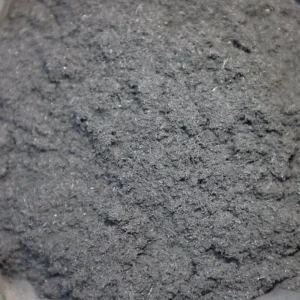
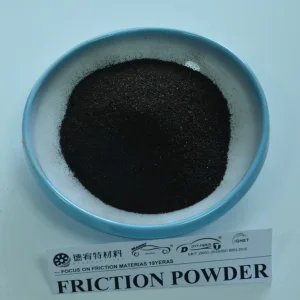
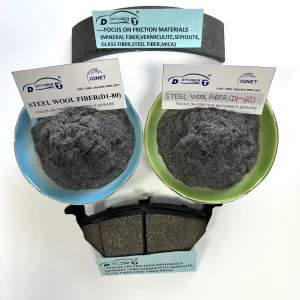
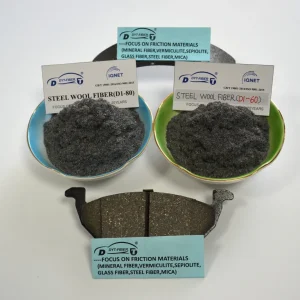
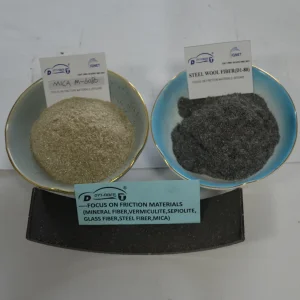
Vehicles operating in and around Bucharest encounter drastic temperature swings, ranging from -15°C winter road conditions coated with corrosive de-icing agents to summer track temperatures exceeding 40°C. Raw friction materials—such as steel wool fiber D1-60 and D1-80 combined with modified phenolic resins—are essential to maintaining a stable friction coefficient ($\mu = 0.38 - 0.45$) preventing high-temperature thermal fading during steep descends through Transylvanian mountain passes.
Bucharest ranks among Europe’s most densely traffic-congested capitals. Taxis, ride-hailing services, urban buses, and delivery vans endure thousands of micro-braking cycles per day. Friction raw materials destined for this market must prioritize shear strength, low rotor disc abrasion, and minimal particulate formation to resist premature disc scoring and excessive dust buildup on alloy wheels.
As Romania serves as a key transit gateway for long-haul freight between Turkey, Bulgaria, Hungary, and Central Europe, the demand for Heavy Commercial Vehicle (HCV) friction compounds like WVA 19032 is massive. Exporters serving Bucharest must deliver heavy-duty semi-metallic and ceramic-reinforced formulations capable of handling 40-tonne gross vehicle weights under emergency braking conditions.
Comparing raw material properties for OEM manufacturers and aftermarket compounders in Bucharest.
| Material Category | Primary Reinforcement / Ingredients | Friction Coeff ($\mu$) | Fade Resistance (°C) | NVH & Noise Rating | Primary Local Application |
|---|---|---|---|---|---|
| Semi-Metallic Heavy Duty | Steel Wool D1-60 / D1-80, Copper-free powders, Synthetic Graphite | 0.40 - 0.48 | > 650°C | Moderate (Requires Shims) | HCV Trucks (WVA 19032), Bucharest Commercial Fleets |
| Low-Metallic Ceramic Hybrid | Carbon Fiber, Aramid, Mineral Wool, Ceramic Powders | 0.36 - 0.42 | ~ 550°C | Superior (Ultra Low Noise) | Premium Passenger Cars, European Sedan Aftermarket |
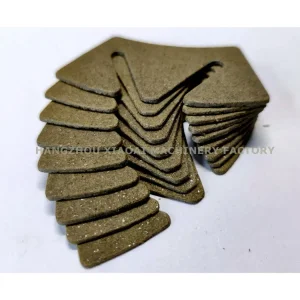
| Non-Asbestos Organic (NAO) | Phenolic Resin Matrix, Organic Fibers, Friction Modifiers | 0.35 - 0.40 | ~ 400°C | Quiet / Smooth Pedal | City Passenger Cars, Light Duty Vans |
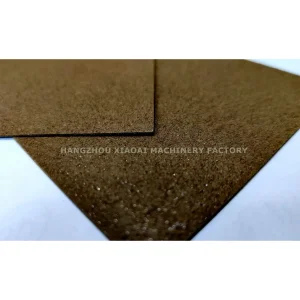
| Wet Paper Friction Matrix | Cellulose/Aramid Fibers, Phenolic Resins, Saturating Paper | 0.12 - 0.20 (Wet) | ~ 250°C (Oil Cooled) | Silent Wet Clutch | Motorcycles, Agricultural & Industrial Transmissions |
Hangzhou MOAD AUTO Co., Ltd. is a professional manufacturer specializing in brake system components, including brake pads, brake rotors, and automotive friction materials. Located in Hangzhou, China, the company integrates research and development, production, quality control, and global sales to provide reliable braking solutions for international automotive markets.
With a strong technical team and advanced manufacturing facilities, MOAD AUTO is committed to delivering high-performance products that meet strict industry standards for safety, durability, and consistency. Our brake components are widely used in passenger vehicles, commercial vehicles, and various aftermarket applications, ensuring stable braking performance under different driving conditions.
Hangzhou MOAD AUTO Co., Ltd. continuously invests in innovation and process improvement, utilizing modern equipment and precise testing systems to maintain consistent product quality. Every stage of production, from raw material selection to final inspection, is strictly controlled to ensure reliability and long service life.
We also provide customized solutions to meet specific customer requirements, supporting OEM and aftermarket partners with flexible production capabilities and efficient supply chain services. Guided by the principles of quality, integrity, and customer satisfaction, MOAD AUTO is dedicated to building long-term partnerships and delivering dependable brake system solutions to clients worldwide, contributing to safer and more efficient mobility.
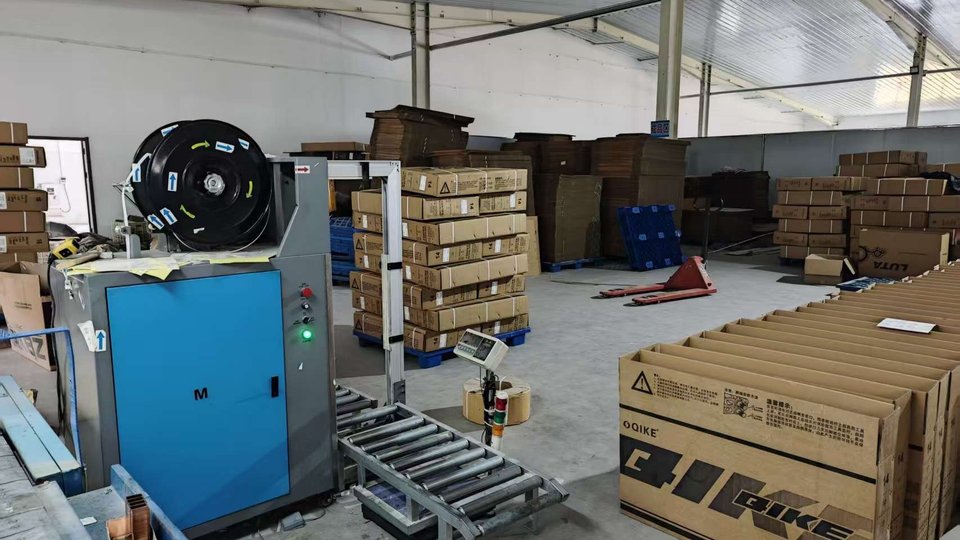
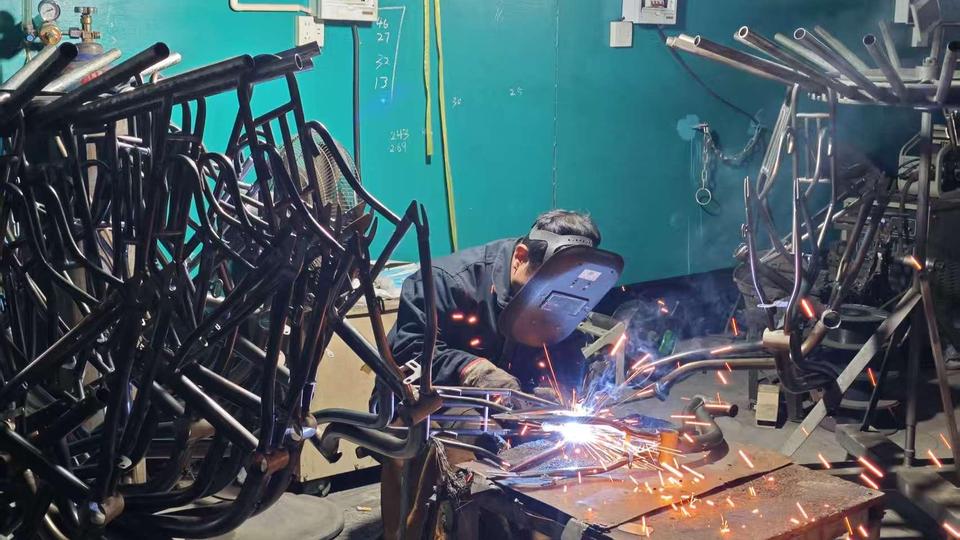
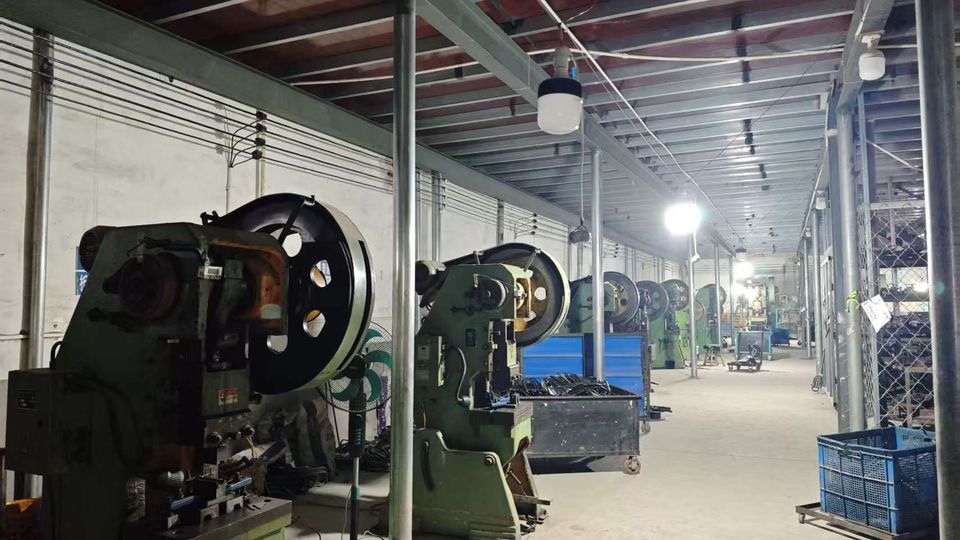
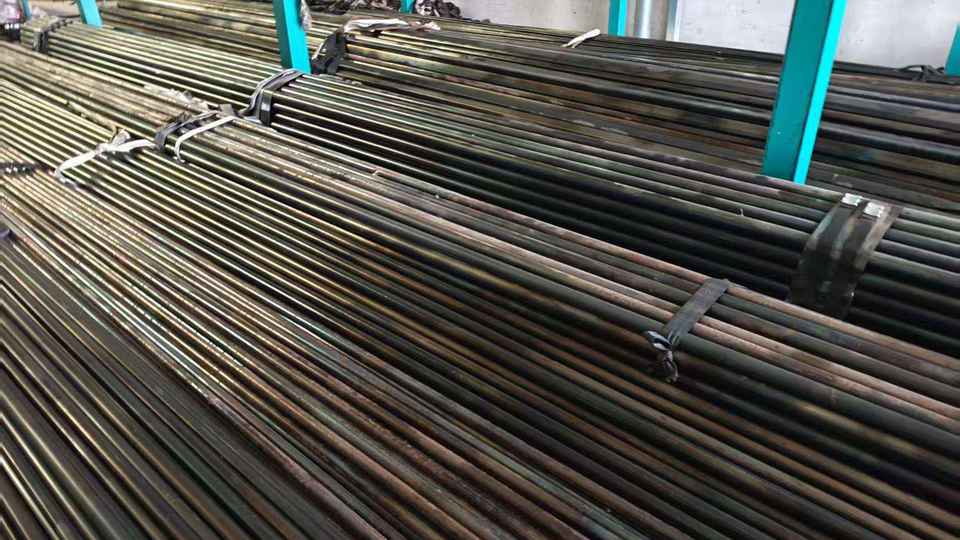
Advanced automated mixing, hot pressing, and post-curing infrastructure supplying importers in Romania and across Eastern Europe.
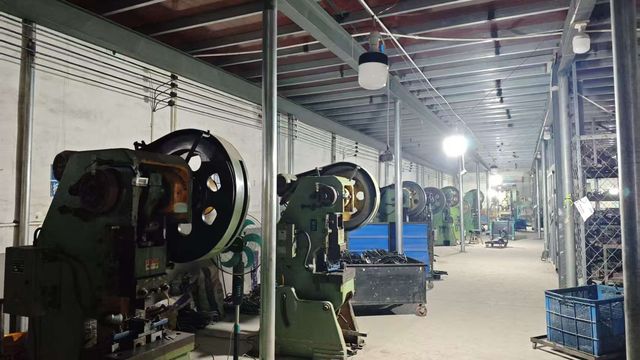
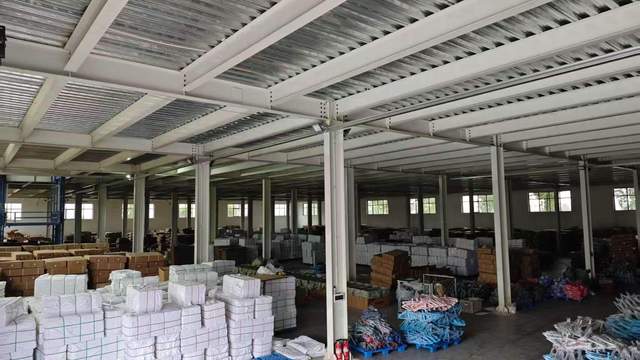
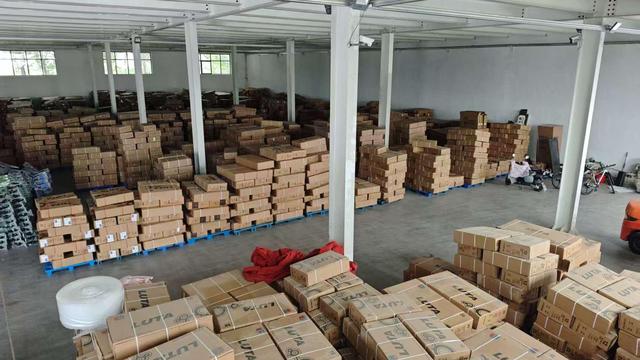

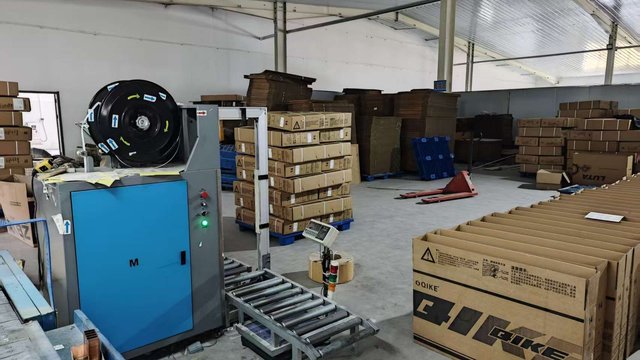
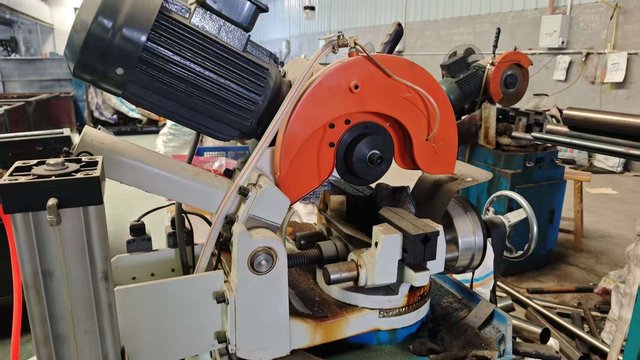
Customized friction matrix solutions serving specific industrial, municipal, and commercial vehicle sectors.
Bucharest’s extensive public bus network (STB) and heavy urban traffic require brake friction compounds with extremely high shear strength and thermal dispersion properties. Raw materials utilizing optimized phenolic resin matrices combined with steel wool fibers D1-60 ensure minimal thermal cracking and zero structural debonding under continual heavy stop-and-go load cycles.
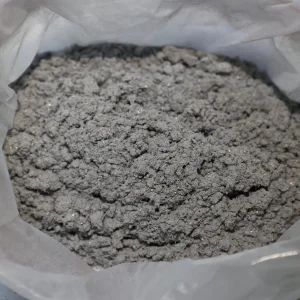
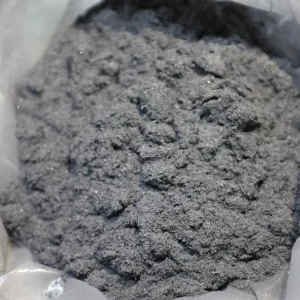
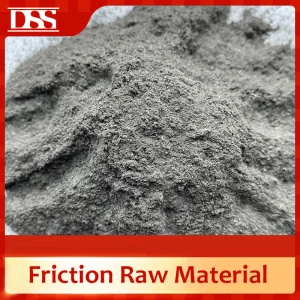
Heavy commercial semi-trucks operating along the main routes connecting Bucharest with Pitești, Brașov, and Constanța demand heavy-duty friction materials built to WVA 19032 standards. Our specialized semi-metallic mixed powder formulations feature exceptional heat dissipation capabilities, extending disc life and preventing brake fade during prolonged downhill descents in mountainous terrain.
Automotive parts distributors in Bucharest catering to the local vehicle fleet (including popular models from Dacia, Renault, Volkswagen, and Ford) require low-dust, noise-free (NVH-mitigated) NAO and ceramic mixed raw materials. These materials provide smooth pedal feel and high cold-friction coefficients necessary for northern European winter mornings.
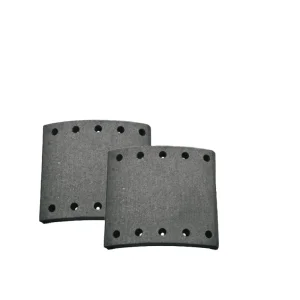
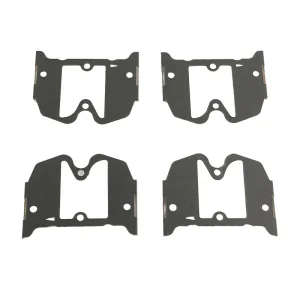
Explore our full range of raw friction powders, steel wool fibers, backing plates, and finished brake friction components ready for export to Bucharest.
Expert insights on importing brake pad raw materials, customs procedures, compliance, and material engineering for Bucharest buyers.
Enhance your brake manufacturing capabilities, secure supply chain stability, and access certified OE-grade friction raw materials at competitive factory-direct pricing.
Send Inquiry Now MOAD AUTO