Discover premium shims, friction materials, and structural system assemblies built to handle high thermal-load and reduce high-frequency brake squeals.
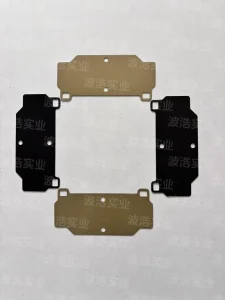
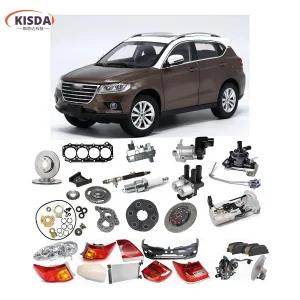
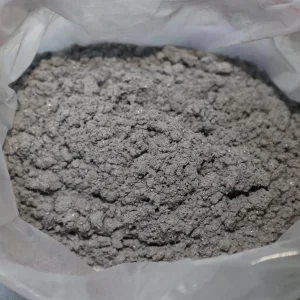
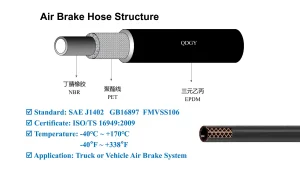

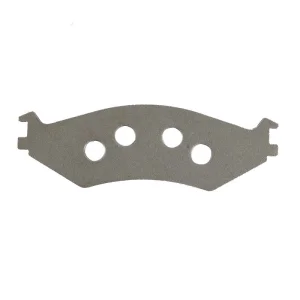
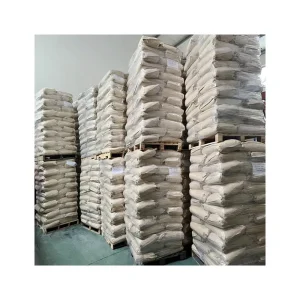

Brake noise, categorized under Noise, Vibration, and Harshness (NVH), remains one of the primary reasons for warranty claims in the global automotive industry. Eliminating brake noise is not merely a cosmetic requirement; it is a fundamental challenge in tribology and structural mechanics. Squeal is typically a high-frequency instability (ranging from 1 kHz to over 16 kHz) caused by friction-induced vibration, which couples with the natural frequencies of the brake rotor, caliper, and brake pads.
To control this phenomenon, top tier automotive OEMs employ viscoelastic damping mechanisms. Multi-layer premium shims act as the crucial barrier between the piston and the backplate of the brake pad. By combining layers of cold-rolled steel, high-performance elastomeric rubbers, and specialized pressure-sensitive adhesives, these shims convert kinetic vibrational energy into negligible thermal energy before it can radiate as audible noise.
"Damping performance is determined by the loss factor (η) of the visco-elastic layer, which must remain highly stable across operational temperatures ranging from -40°C to over 250°C."
At Hangzhou MOAD AUTO Co., Ltd., our engineering teams construct noise-management solutions that systematically decouple vibrational frequencies. By integrating state-of-the-art materials like premium ceramic friction compounds and basalt fiber-infused linings, we elevate the mechanical reliability and quietness of automotive brake assemblies.
How evolving vehicle architectures, environmental guidelines, and electrification are reshaping global damping and friction components.
Without the masking sound of an internal combustion engine, chassis noise becomes immediately perceptible to passengers. This has forced EV manufacturers to demand near-zero decibel performance from brake assemblies. Damping shims must prevent even minor low-frequency groans during slow regenerative braking maneuvers.
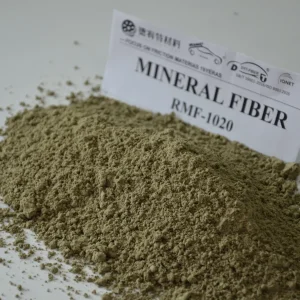
Strict ecological mandates (such as California's Better Brakes Law) require friction components to contain less than 0.5% copper. Industry leading factories are reformulating semi-metallic and ceramic pads using alternative fibers such as basalt and organic aramid materials to maintain friction coefficient while mitigating high-frequency squeal.
Modern factories do not rely on trial-and-error. Complex finite element analysis (FEA) models simulate rotor-pad interactions. This allows manufacturers to apply constrained-layer dampers (CLD) and precision counter-weights at high-stress nodal points to completely cancel structural resonances.
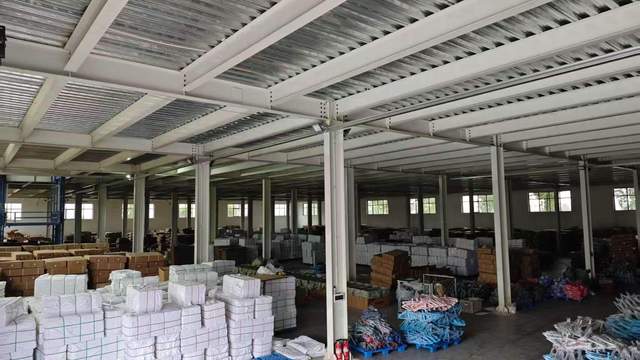
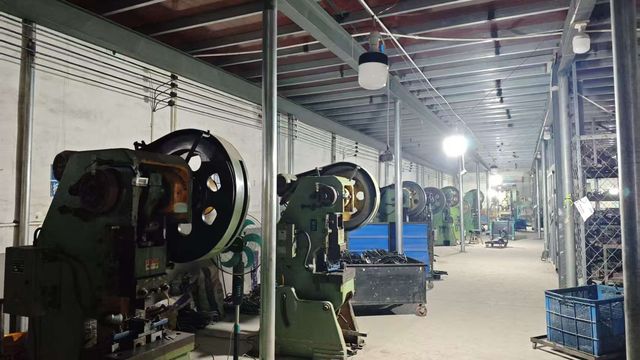
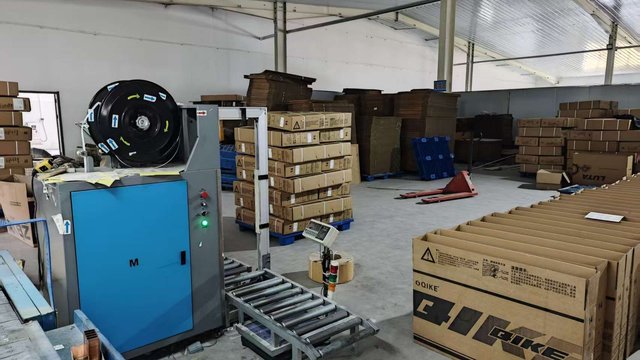
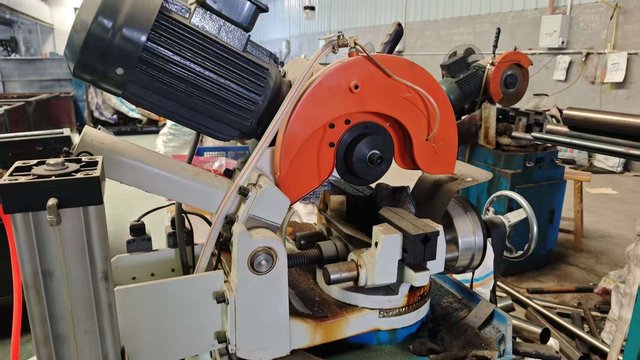
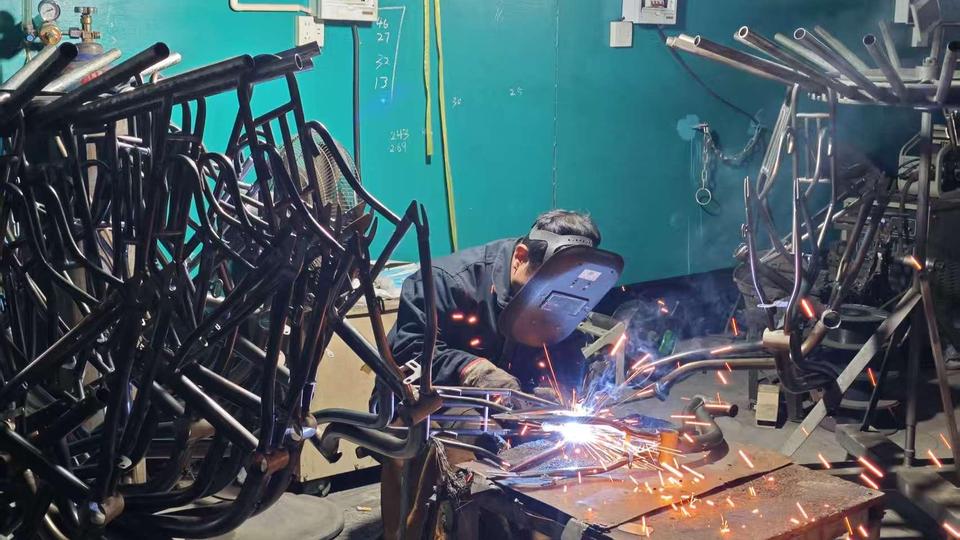
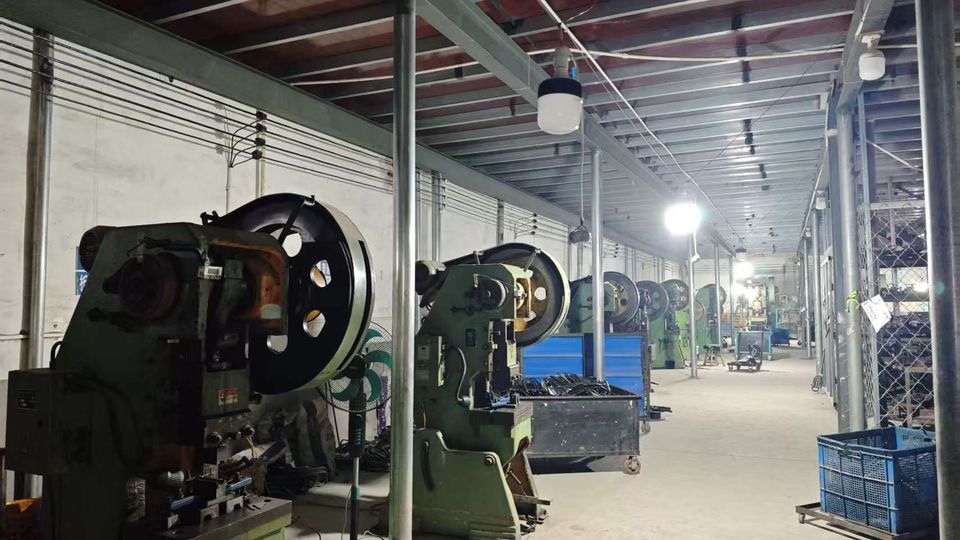
The global automotive supply chain requires more than just high-quality components; it requires consistency, scalability, and robust logistical integration. China’s manufacturing ecosystem has evolved into a smart Industry 4.0 powerhouse. Companies like Hangzhou MOAD AUTO Co., Ltd. leverage highly automated production lines, IoT-driven temperature tracking, and AI optical sorting to achieve zero PPM defect rates.
Our localized presence in Hangzhou enables rapid access to premium shipping lanes, reducing global transit times and mitigating shipping disruptions. For international buyers, this equates to shorter lead times, minimized inventory holding costs, and exceptional product consistency.
When sourcing brake noise management elements and friction components, professional buyers look beyond raw unit costs. To assure passenger safety and brand reliability, manufacturers must satisfy extensive verification profiles:
Material Integrity: High-performance passenger platforms demand strict adherence to SAE standards. The EPDM rubber lines must withstand extreme hydraulic pressures (SAE J1402) without expansion. Friction materials must maintain a highly stable coefficient of friction (µ) under severe fade conditions.
Noise Mitigation Mapping: Supplier parts must be benchmarked on advanced dynamometers using the SAE J2521 matrix. This testing sweeps various pressures, speeds, and temperatures to identify noise occurrences and ensure they stay below safety thresholds.
Physical and Environmental Stresses: From salt spray tests (ASTM B117) evaluating shim corrosion to climate chambers monitoring the performance of structural engine mounts and body kits, every component must withstand environmental stressors over a long service life.


How our customized noise reduction and braking systems perform in diverse operating environments across the globe.
Heavy duty municipal transport systems require constant deceleration at low speeds. High thermal cycling leads to pad glazing, the root cause of squeal. Our custom premium shims utilize nitrile-rubber coatings that absorb the high frequency shear energy, delivering near silent operations for city commuters.
In low temperature environments (-30°C and below), standard damping elastomers stiffen and lose their visco-elastic properties. Our special silicone-modified shim adhesives retain elastomeric performance in extreme cold, preventing the morning brake squeal common in northern European and Canadian routes.
Utility task vehicles (UTVs) operate in sand, dust, mud, and water. Exposure to abrasive particles rapidly damages standard brake rotors and friction pads. Combining our durable brake lining solutions with advanced E-scooter environmental testing systems ensures sealing and performance under harsh terrain profiles.
Answers to crucial engineering questions regarding NVH, shim design, and manufacturing standards.
Explore additional specialized components, balancing systems, and testing equipment for automotive assemblies.


 MOAD AUTO