📋
Basic Information
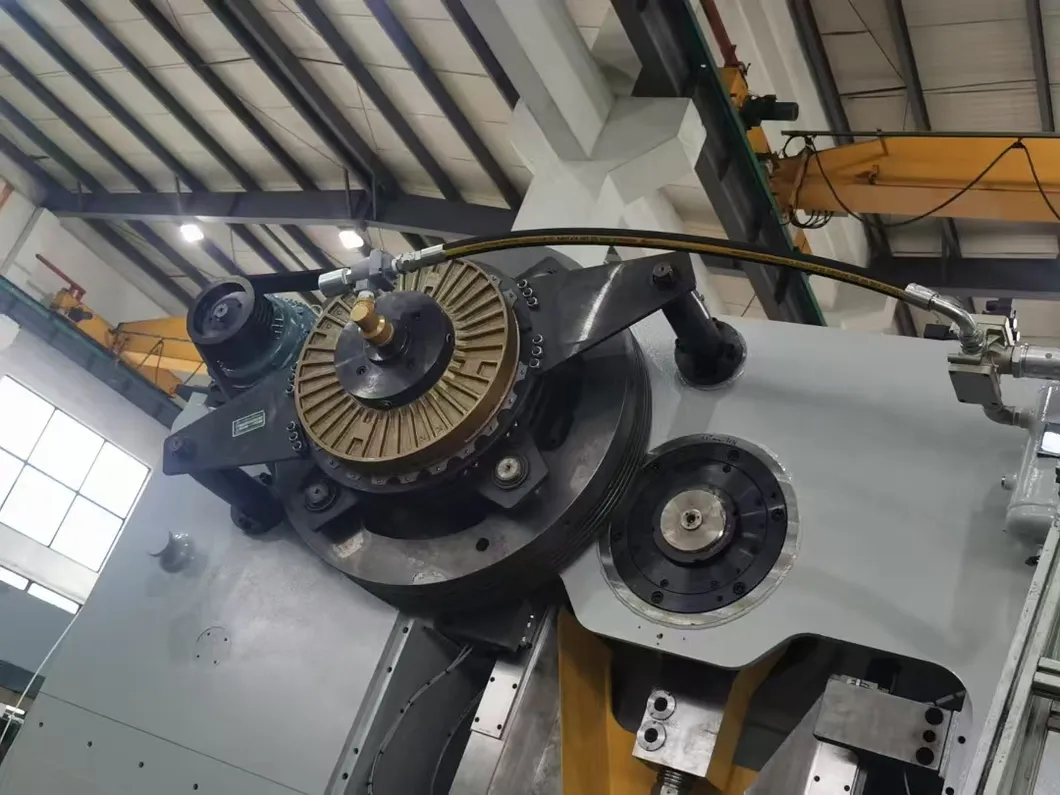
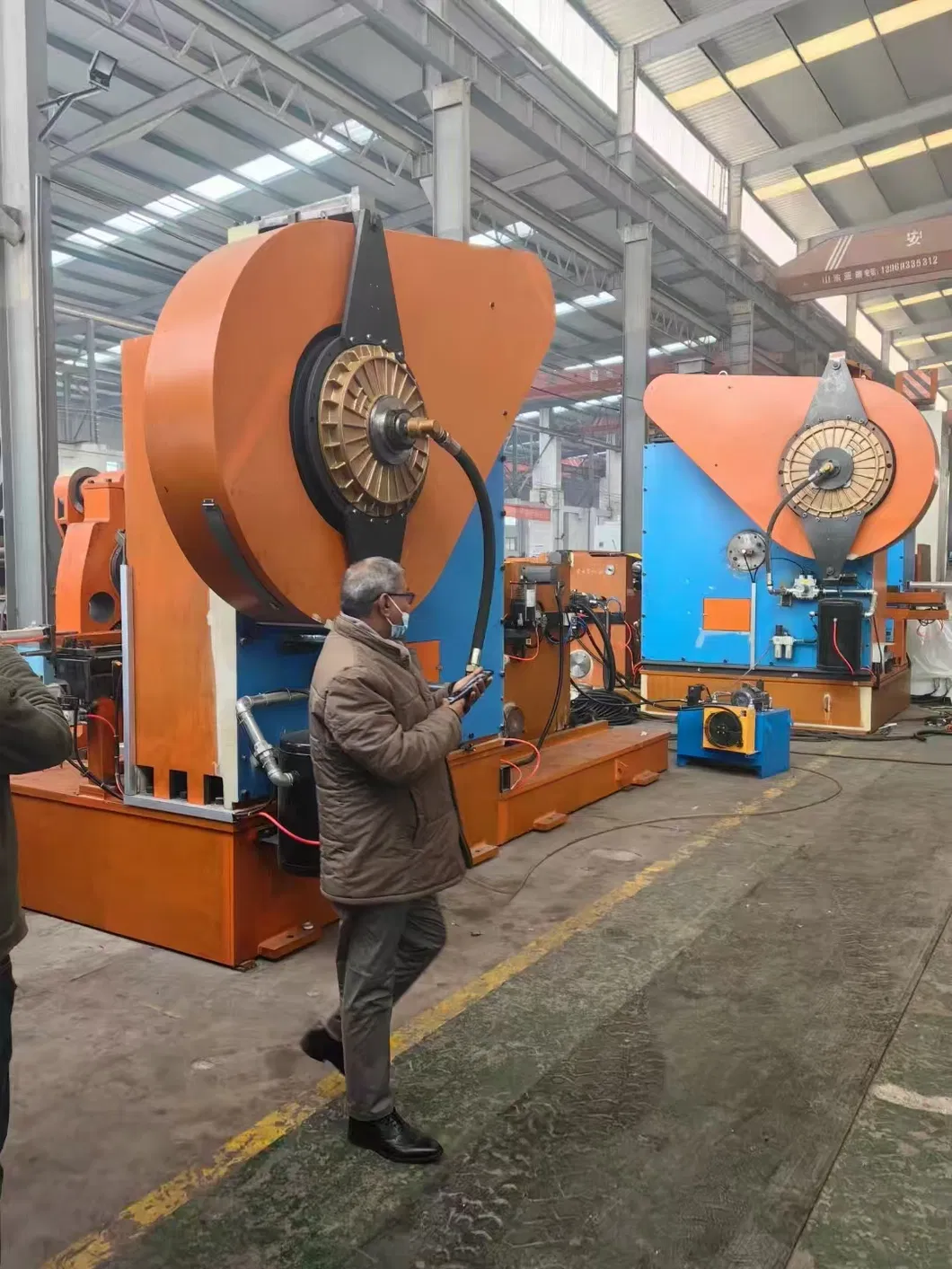
Usage
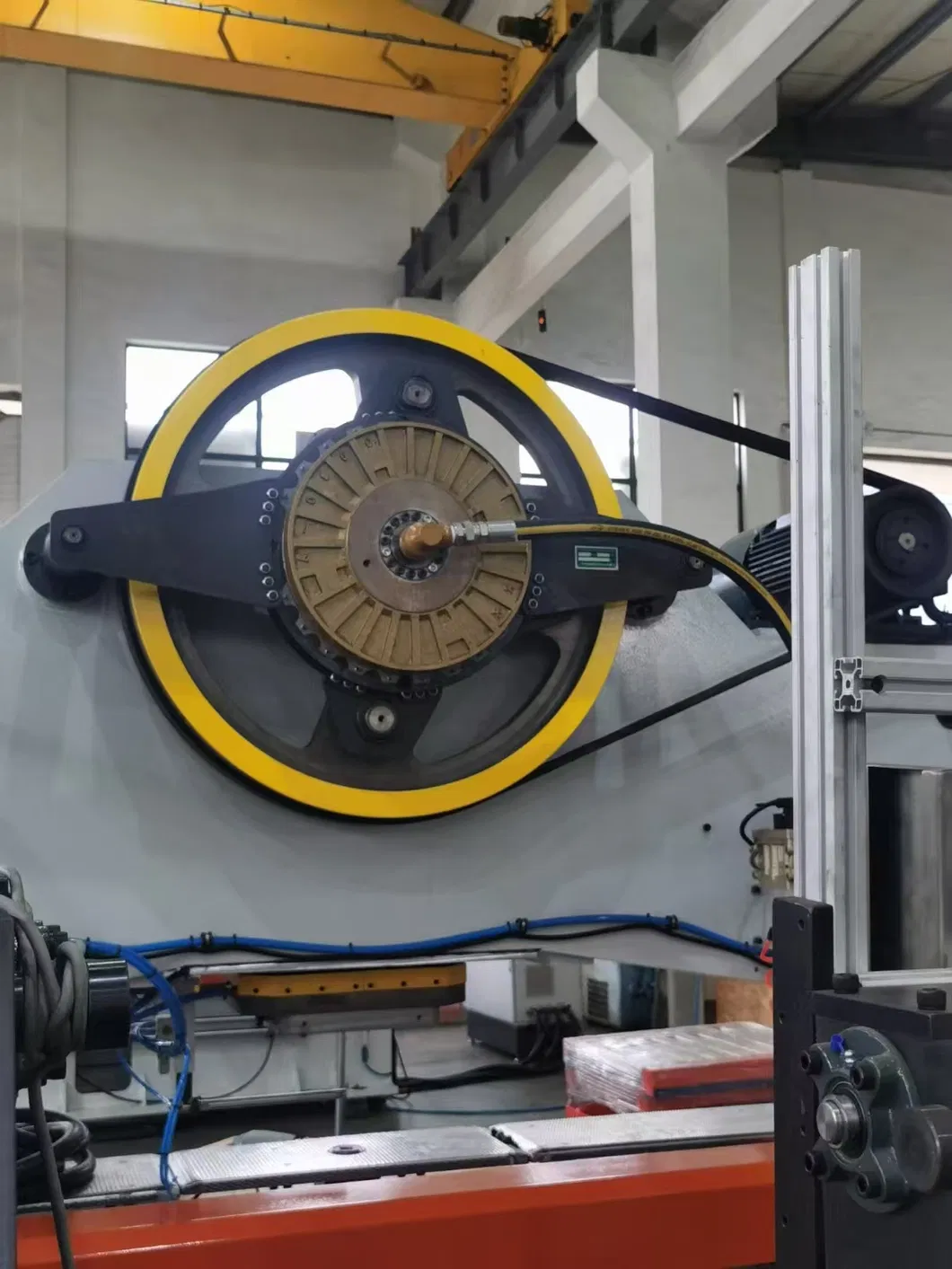
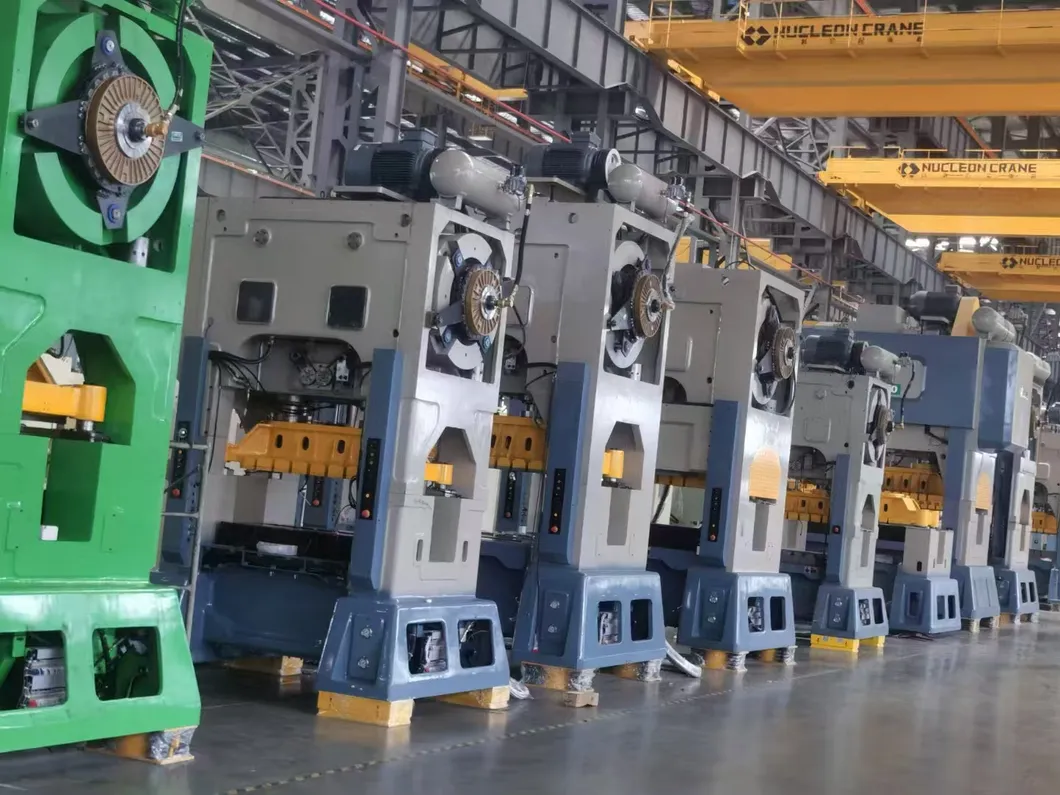
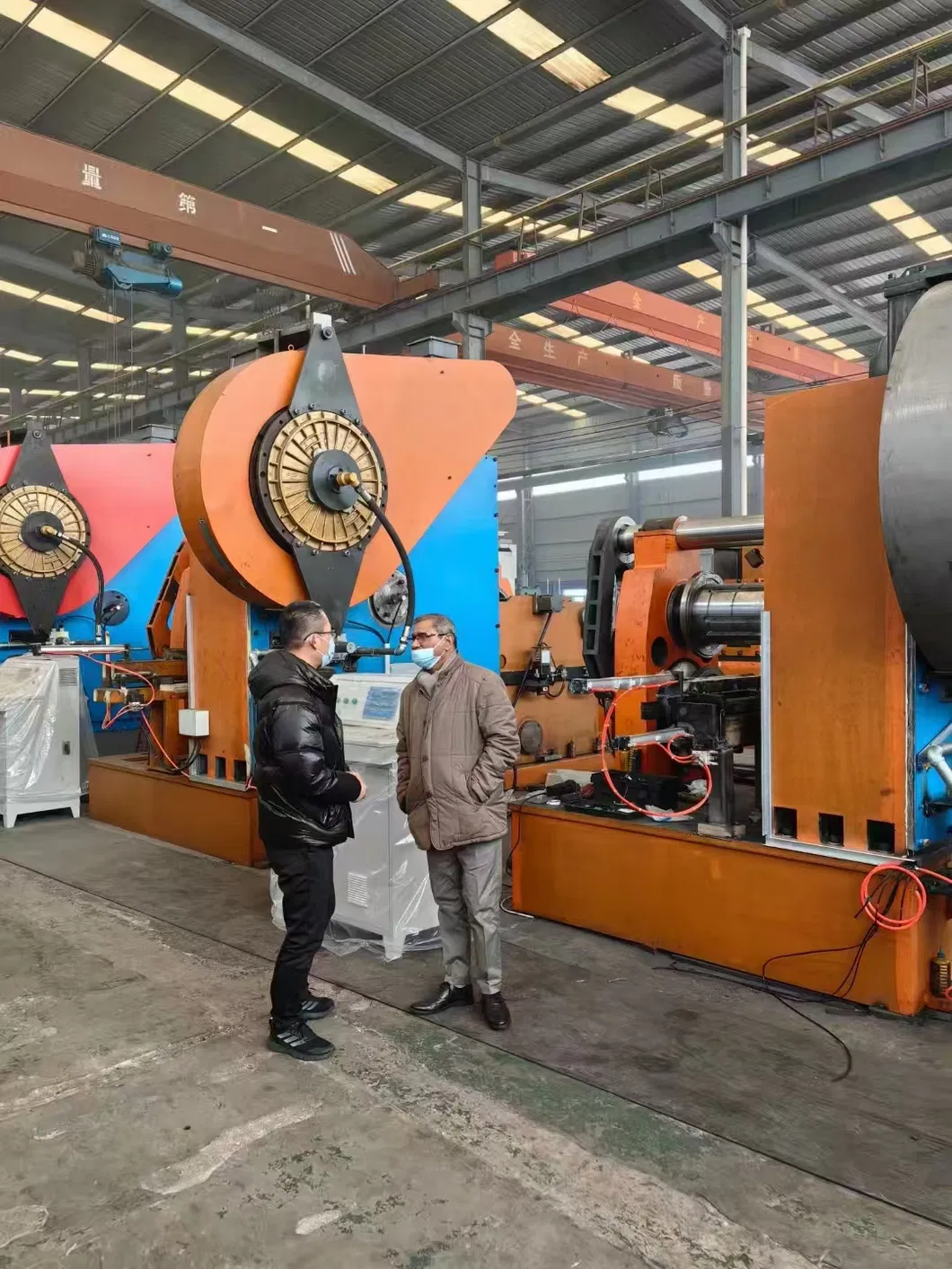
Paper, Packing, Ship, Elevator, Forging Machinery
⚙️
Product Manual & Overview
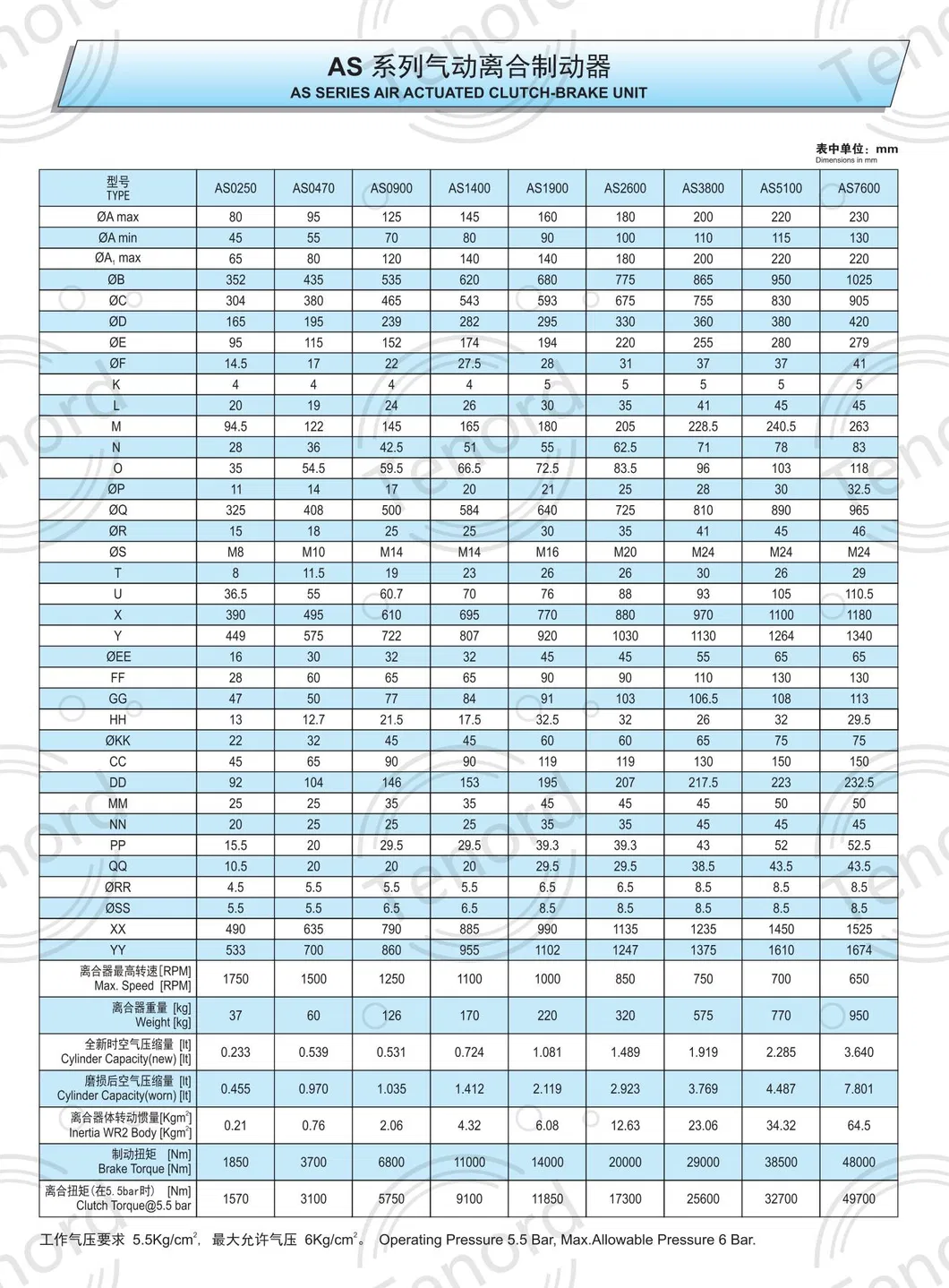
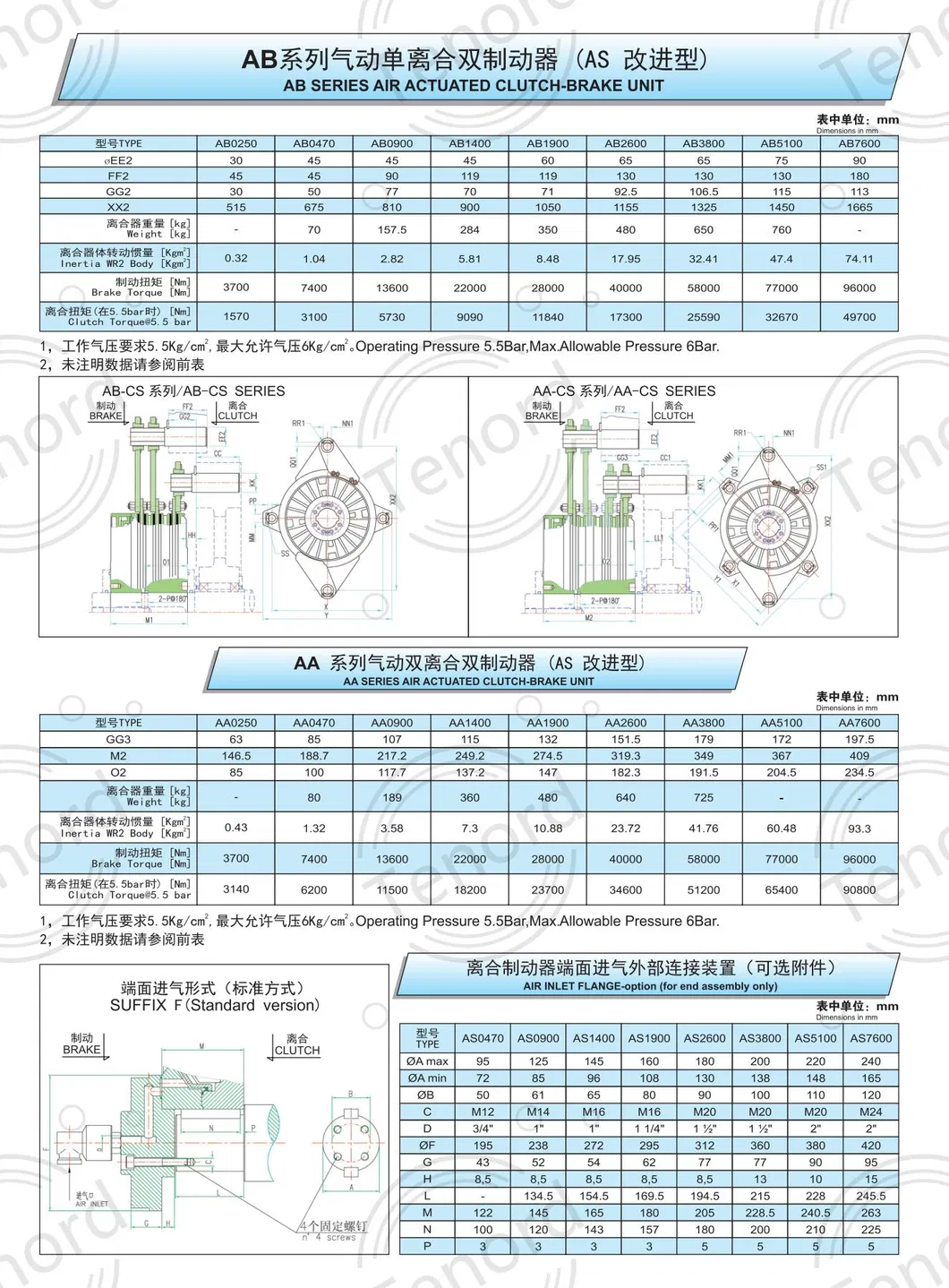
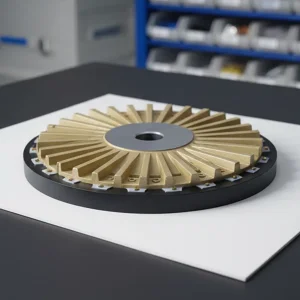
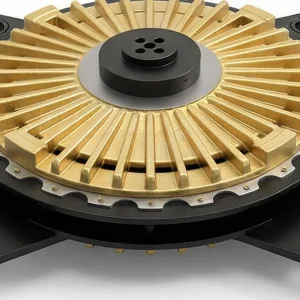
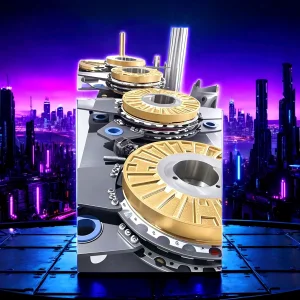
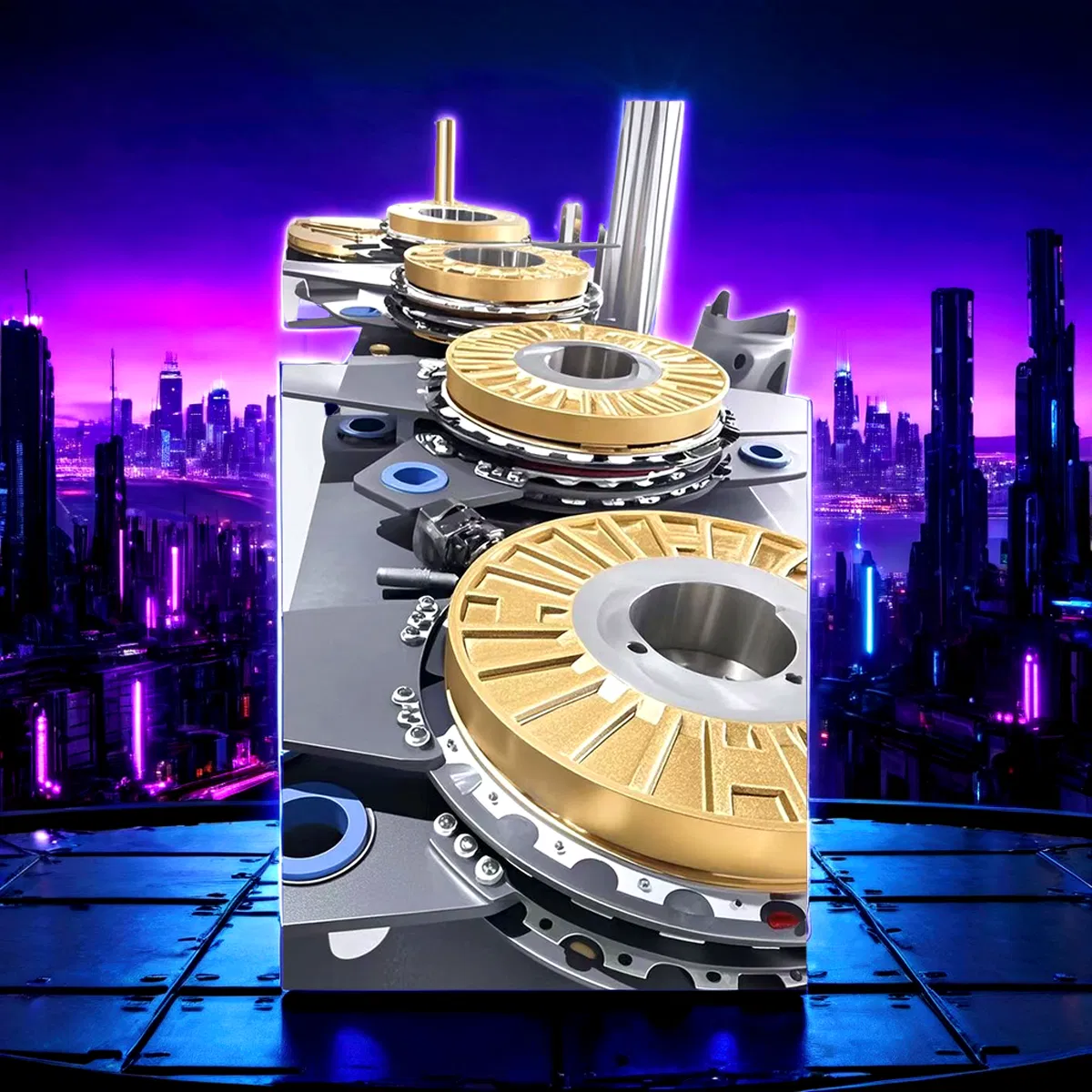
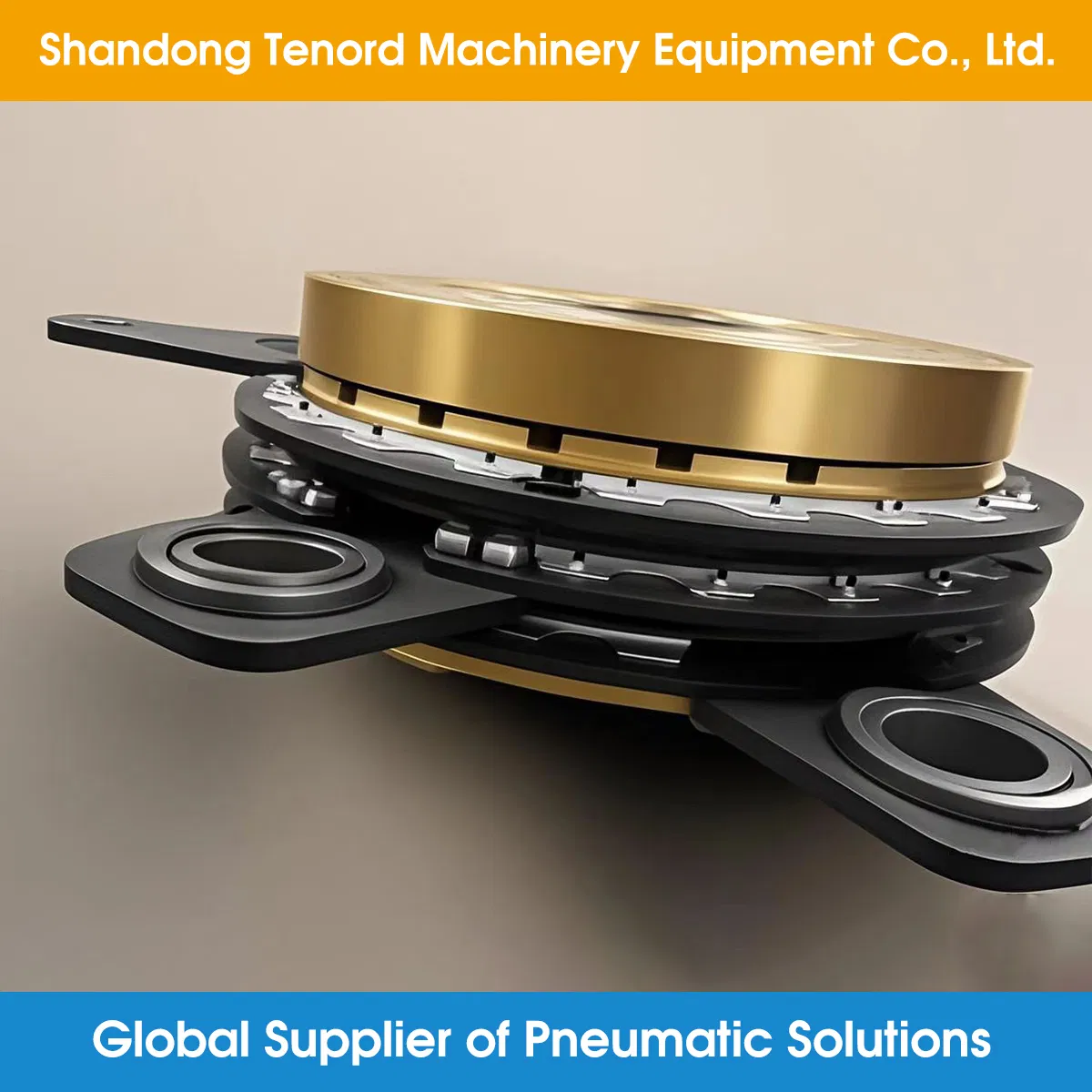
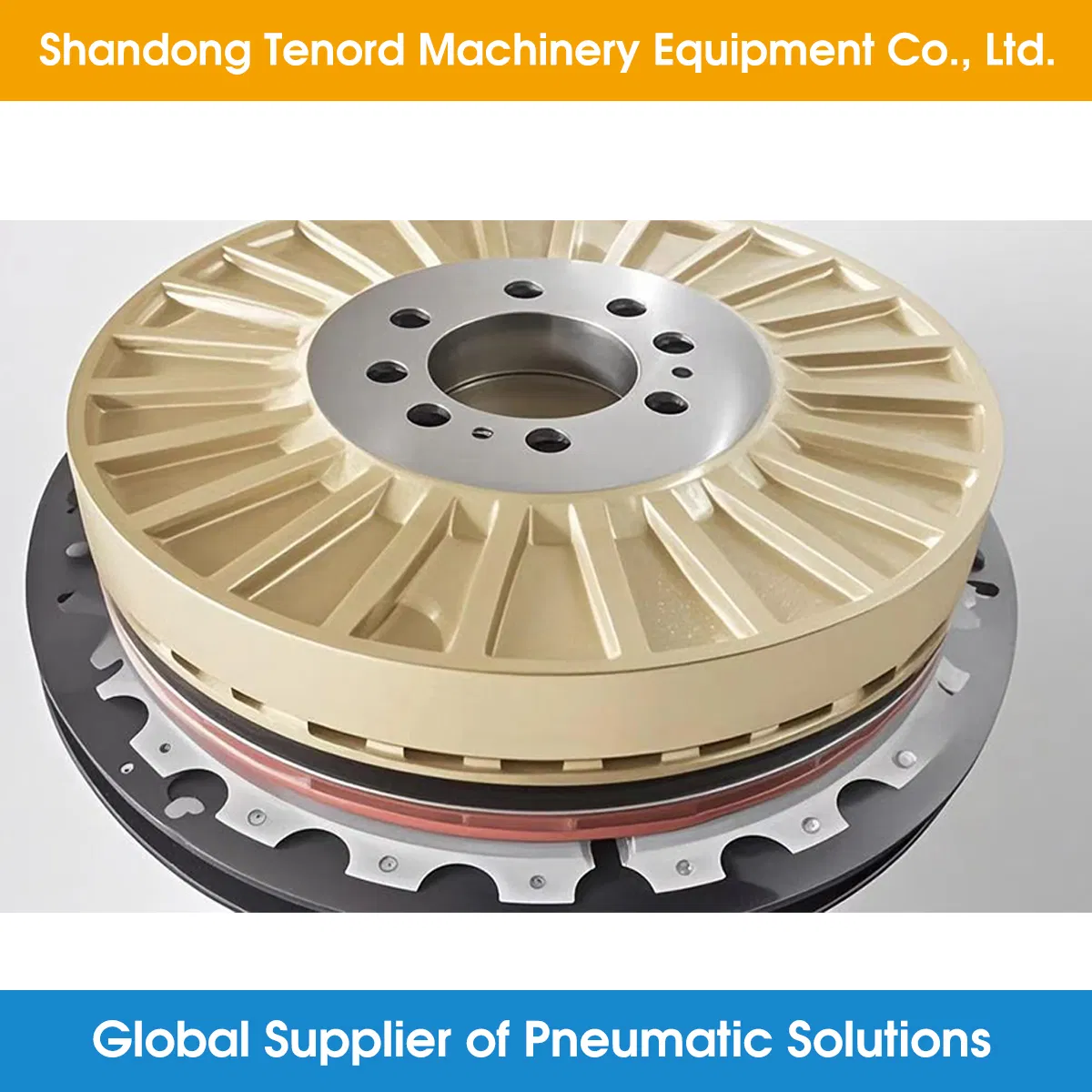
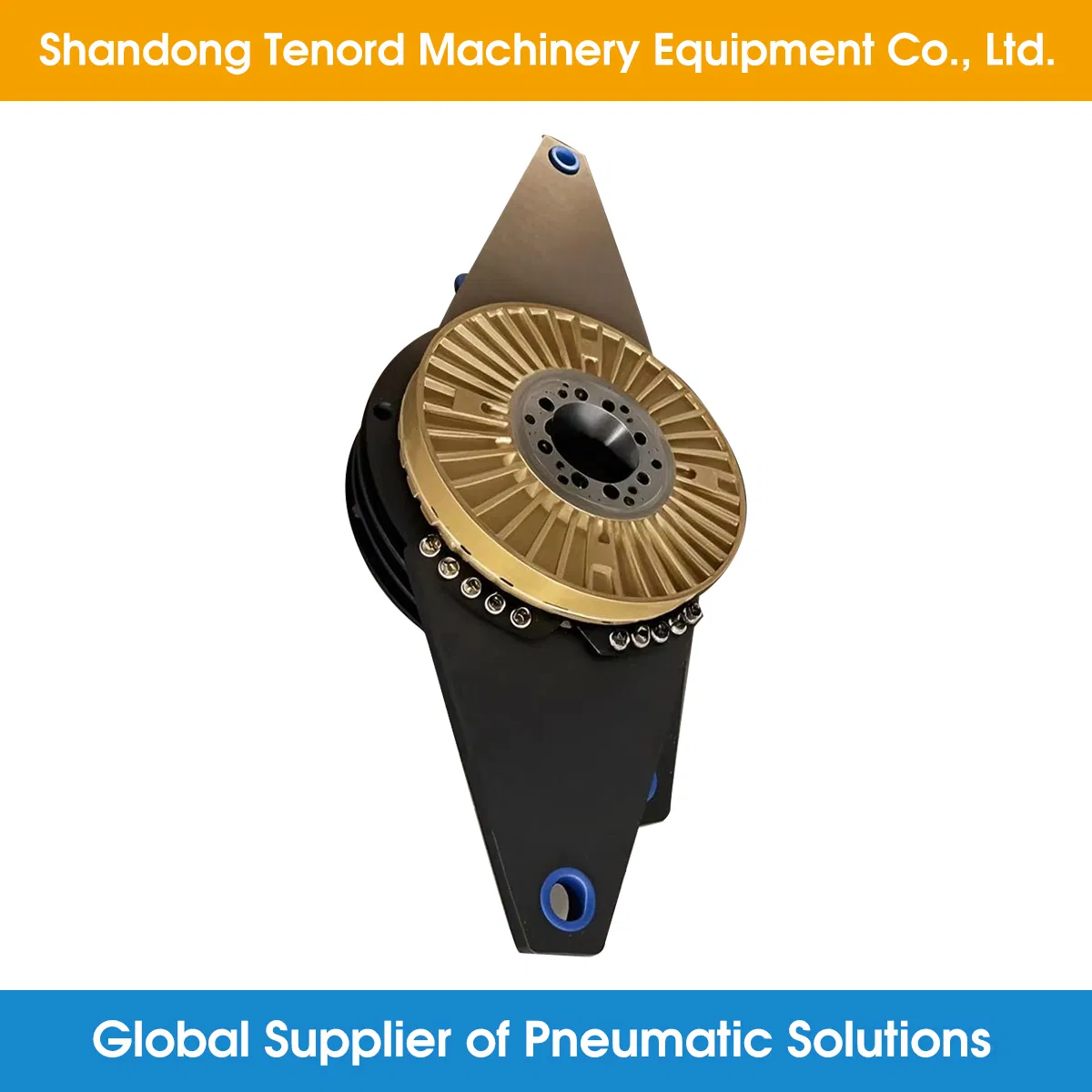
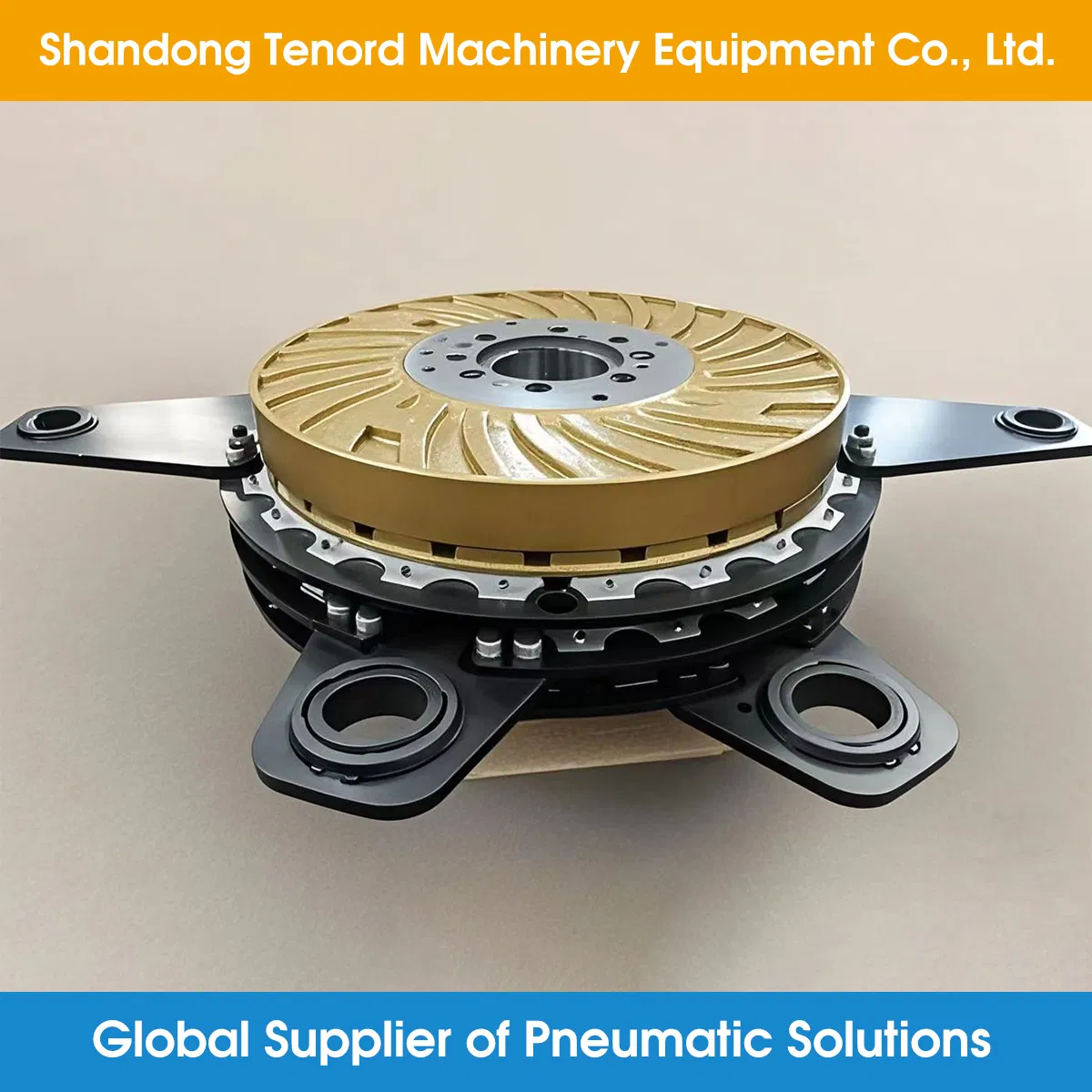
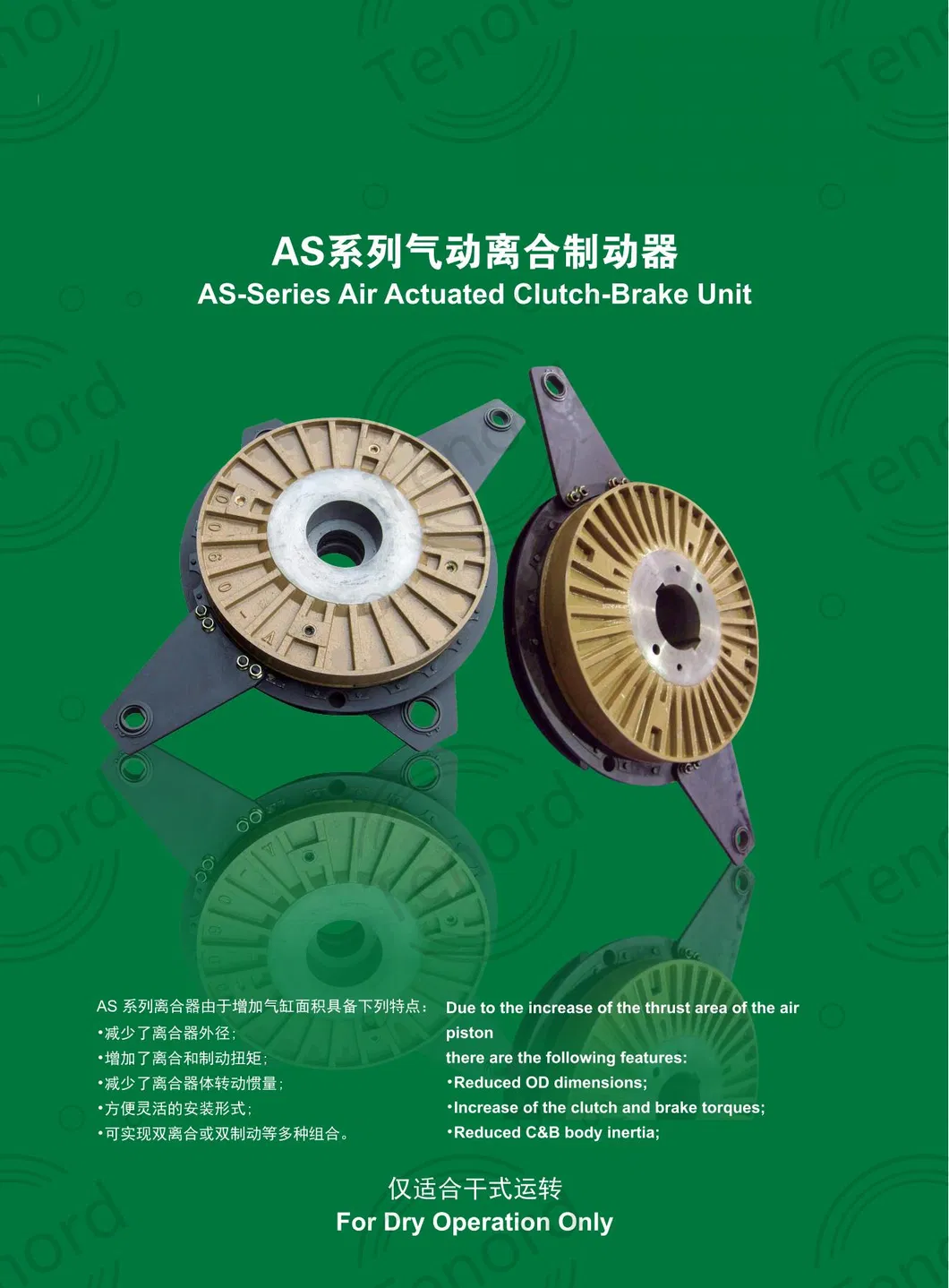
The AS0256 / AS0250 Dry Multi-Disc Pneumatic Clutch Brake is meticulously crafted for high-torque applications, including punch presses, die-cutting machines, and forging equipment. Designed for high performance within compact spatial dimensions, it uses asbestos-free materials and pneumatic control for swift, precise operation.
Clutch Torque
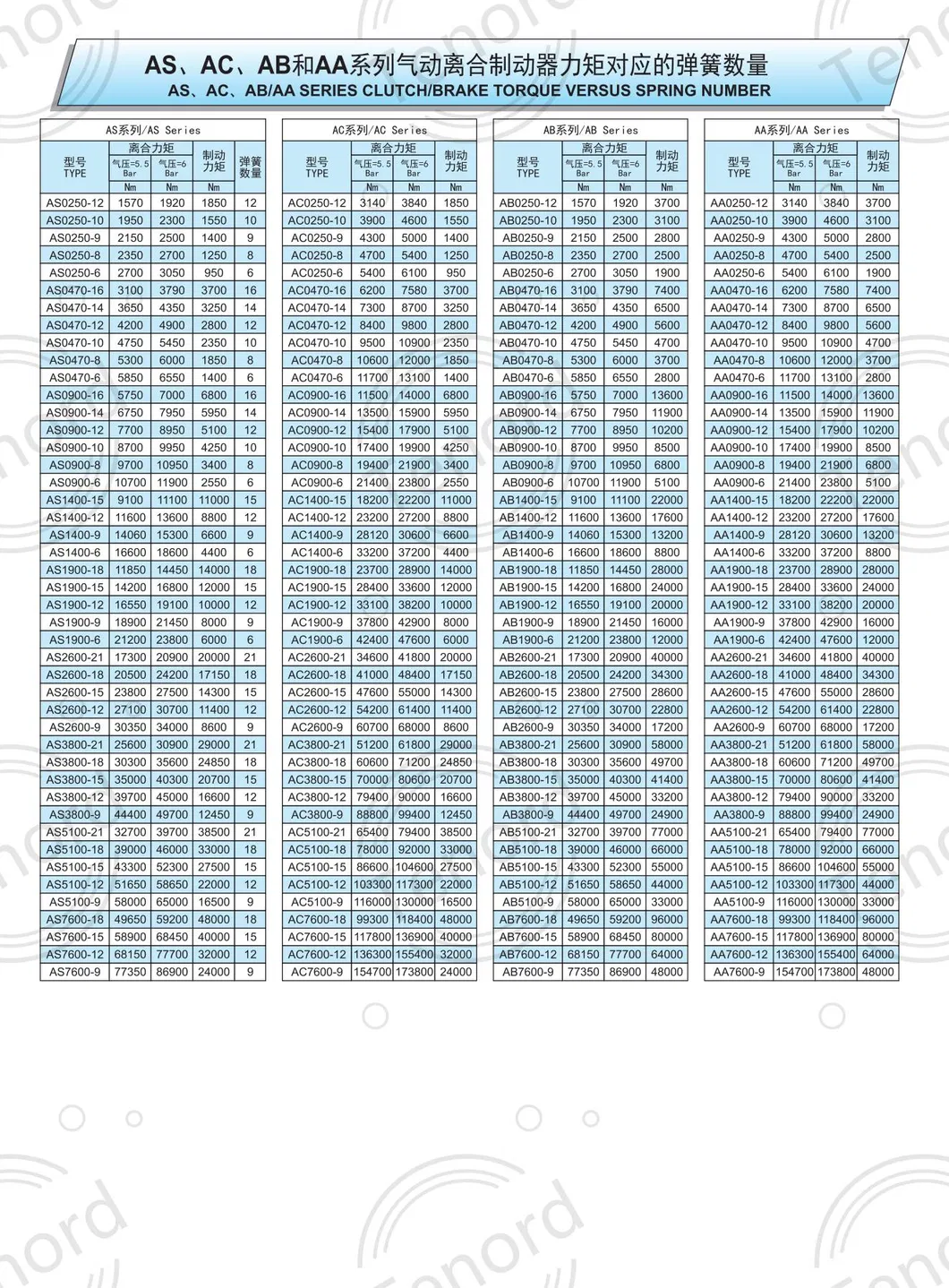
6800 N·m (Single Disc)
Braking Torque
5750 N·m (Single Disc)
Torque Boost
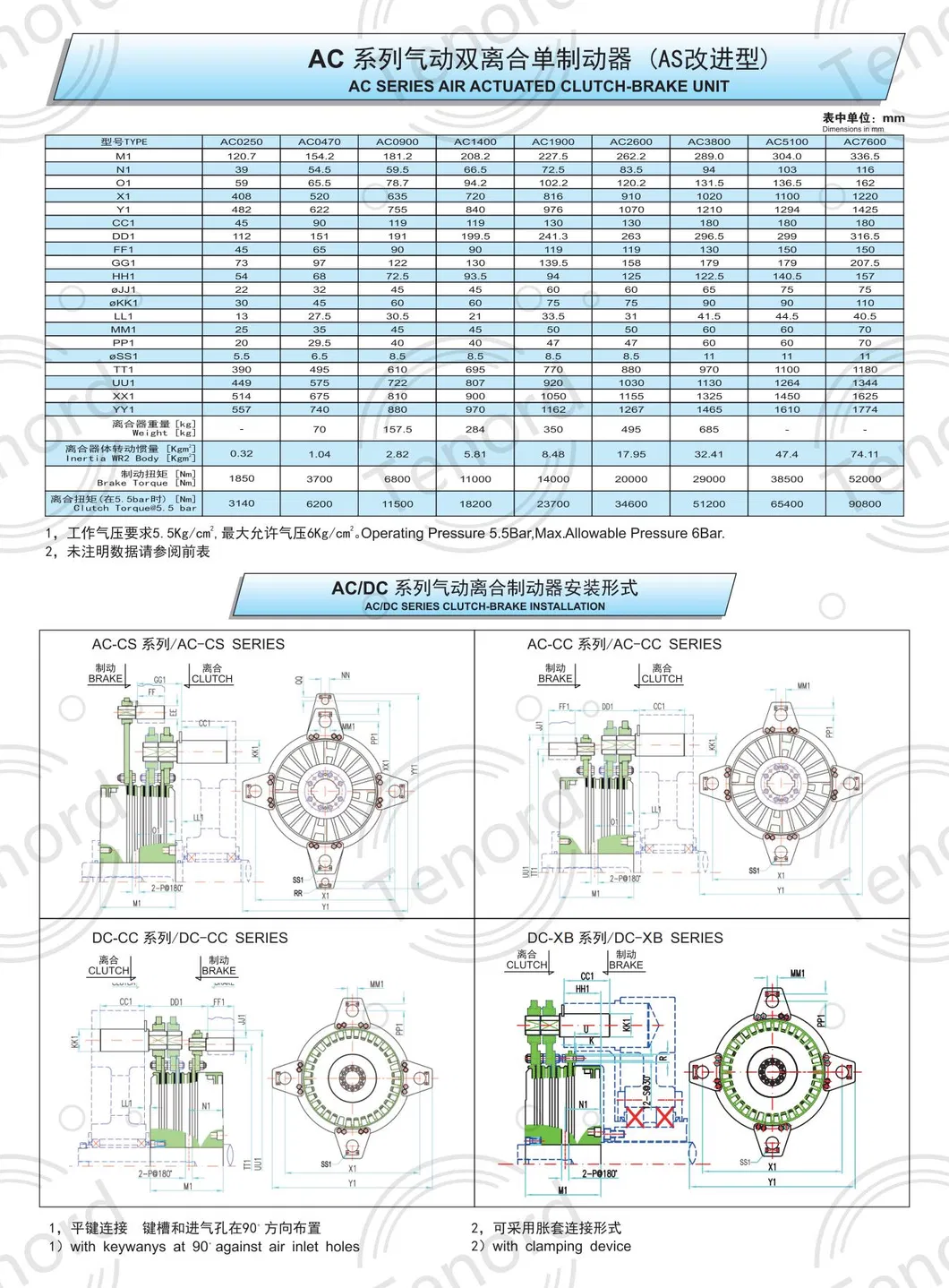
Up to 13600 N·m (Dual Disc)
🛠️
Structure and Working Principle
Core Components
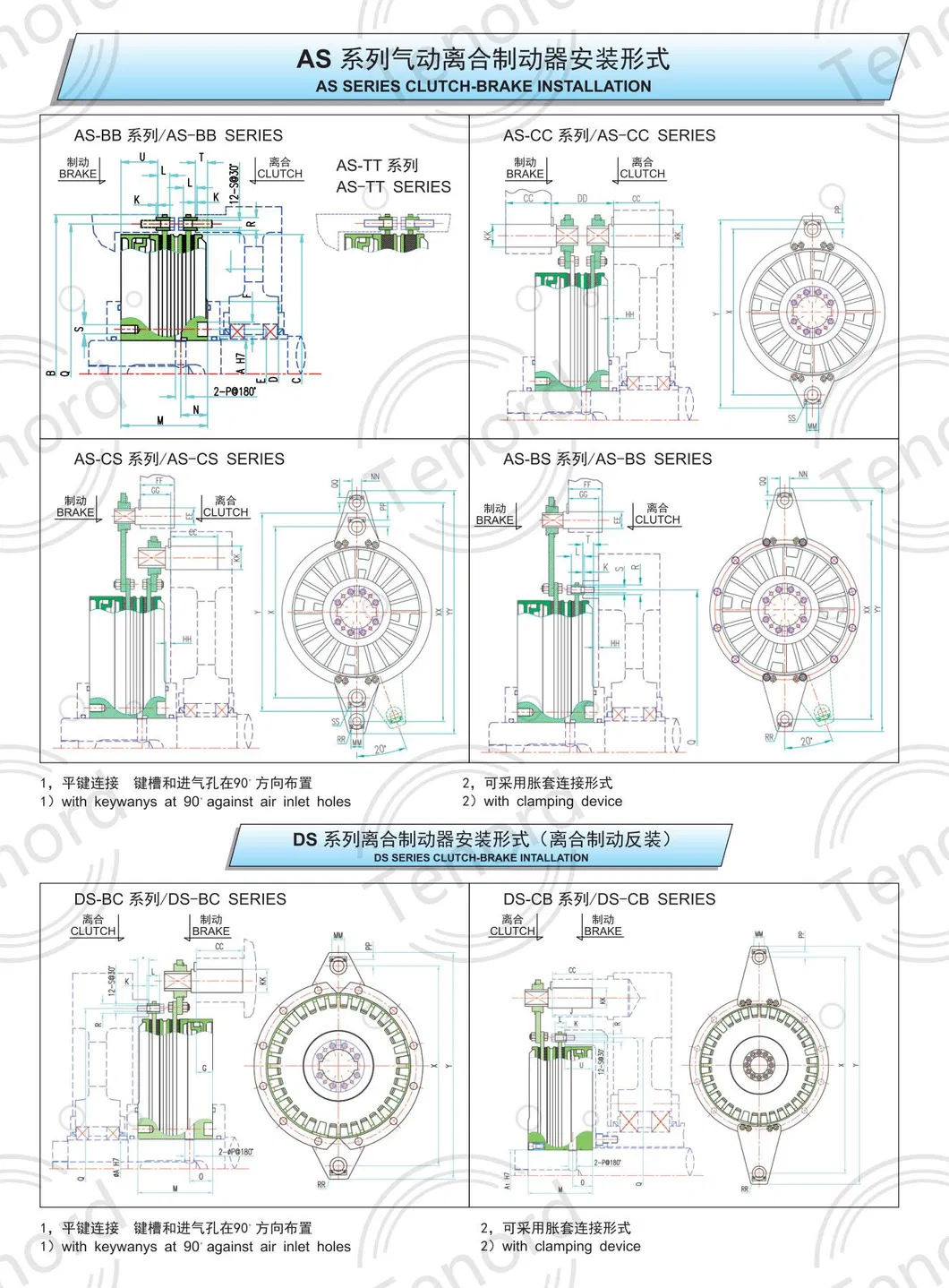
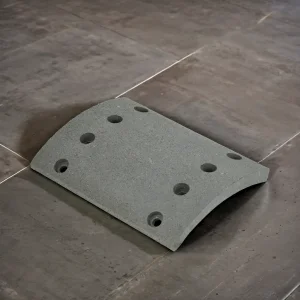
Includes clutch body, piston, brake spring, friction plates, clutch ear plate, and brake ear plate. It connects to the spindle via a flat key for efficient torque transmission.
Working Process
- Engagement: Compressed air enters the cylinder, moving the piston to compress the brake spring and unite friction plates.
- Braking: Air supply disconnection triggers the spring reset, reversing the piston to press plates against the brake disc for rapid stopping.
💎
Technical Features
- High Efficiency: Compact design for high-speed, high-frequency applications.
- Heat Resistance: Advanced composite friction plates withstand temperatures up to 350°C.
- Safety: Asbestos-free materials for environmental compliance and silent operation.
- Easy Maintenance: Friction plates can be replaced without disassembling the entire clutch body.
📊
Technical Specifications
| Parameter |
Specification |
| Working Air Pressure | 5.5 ~ 6.0 kg/cm² |
| Friction Plate Lifespan | ≥ 500,000 cycles |
| Operating Temperature | -20ºC ~ +150ºC |
| Response Time | ≤ 0.02 seconds |
| Spindle Tolerance | Bore H7 / Surface Ra1.6 |
🔧
Maintenance and Troubleshooting
| Fault |
Possible Cause |
Solution |
| Clutch fails to engage |
Low air pressure / Solenoid valve failure |
Increase air pressure or replace valve |
| Poor engagement |
Worn or contaminated friction plates |
Replace or clean the friction plates |
| Braking delay |
Spring fatigue / Air leakage |
Replace spring or repair air circuit |
⚠️
Safety Precautions
1. Pre-maintenance: Disconnect all power and air supplies and ensure the system is fully depressurized.
2. Positioning: Ensure the slider is at the lower dead center to prevent accidental movement.
3. Spring Handling: Restrain the brake spring force carefully during disassembly to avoid injury.
❓
Frequently Asked Questions
Q1: What is the response time for the clutch and brake engagement?
A: The response time is highly efficient, measured at ≤0.02 seconds for both clutch engagement and braking.
Q2: Can the friction plates be replaced without taking apart the whole unit?
A: Yes, the design allows for "on-the-fly" maintenance where friction plates can be replaced without disassembling the clutch body.
Q3: What is the maximum torque capacity of the AS0250 model?
A: A single disc offers up to 6800 N·m for clutching. When using a dual-disc configuration, the torque is doubled to 13600 N·m.
Q4: Is the material used in the plates environmentally friendly?
A: Absolutely. We use asbestos-free friction materials composed of advanced phenolic resin and inorganic fiber composites.
Q5: What are the required air pressure levels for operation?
A: For reliable performance and safety, the stable working air pressure should be maintained between 5.5 and 6.0 kg/cm².
Q6: What is the typical lifespan of the friction plates?
A: The friction plates are rated for ≥500,000 cycles, though this can vary depending on specific application frequency and load.