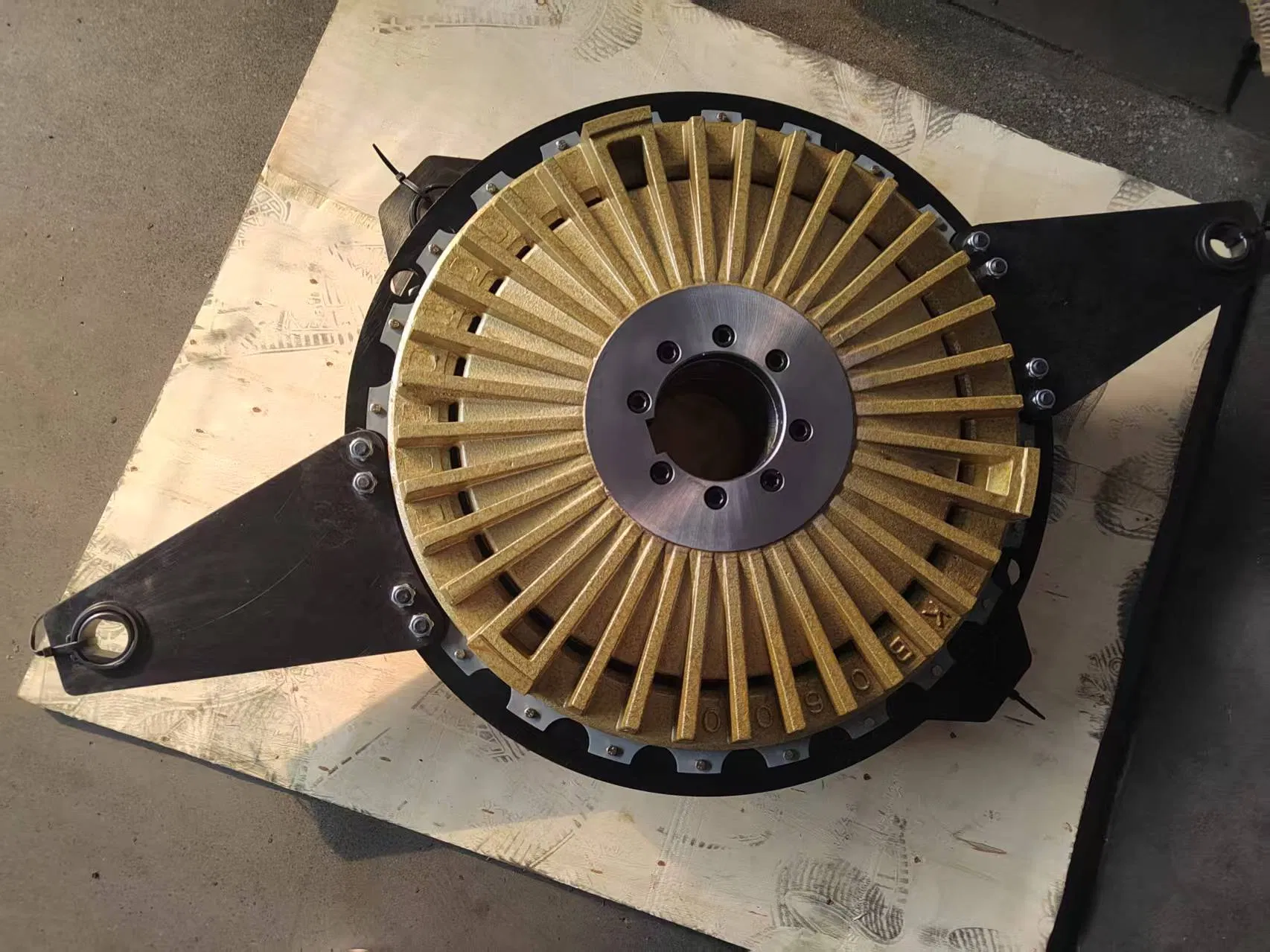
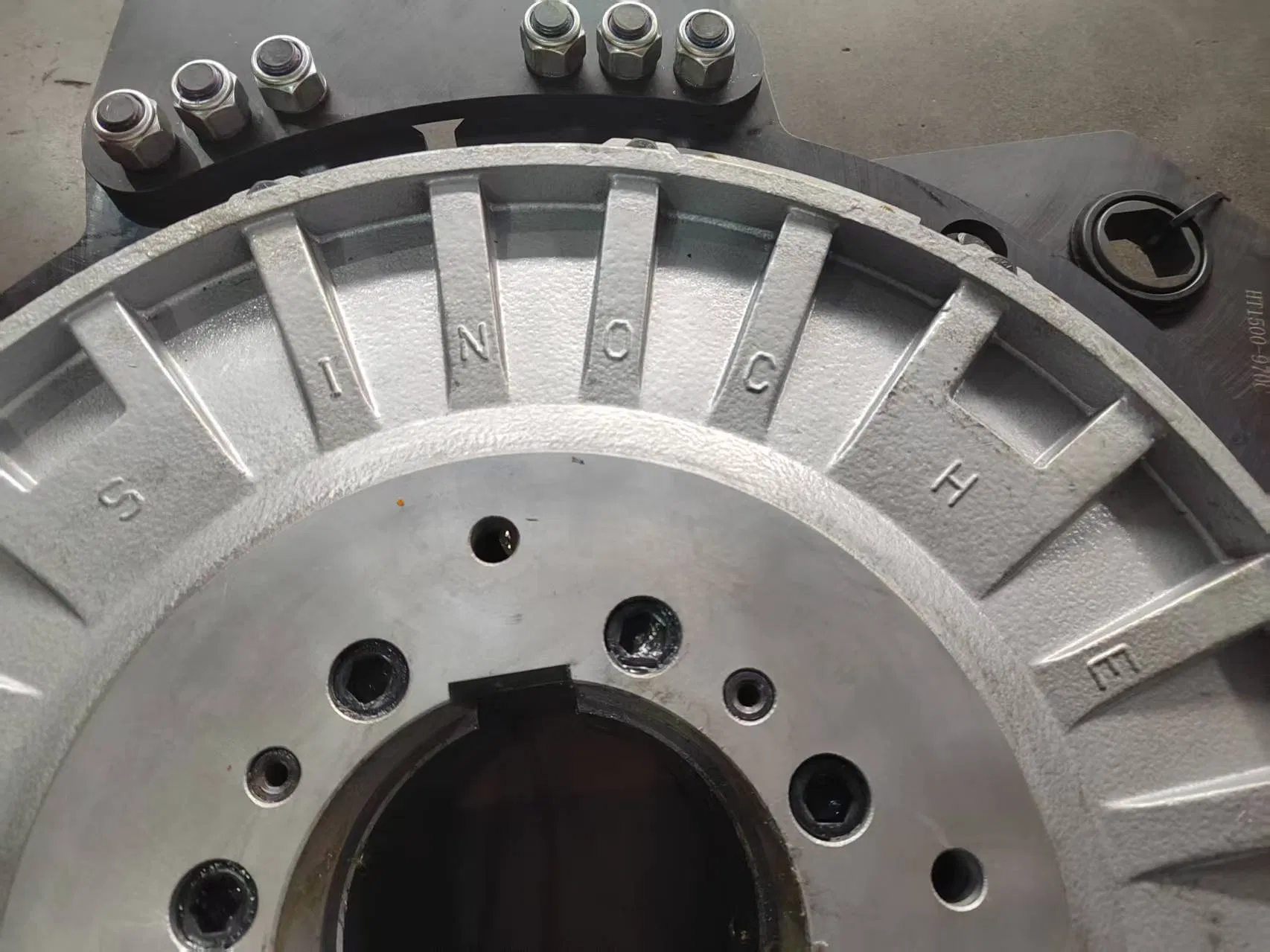
High-Performance Pneumatic Brake System for Deep Drawing Presses

Still deciding? Get samples of $ !
Order Sample

Product Description

Basic Information
Model NO.
KB500
Working Mode
Continuous
Installation
Vertical
Power Source
Pneumatic
Max RPM
1000rpm
Weight
135kg
Package Size
1000cm * 600cm * 300cm
Gross Weight
100.000kg
KB Series Pneumatic Clutch Brake Overview

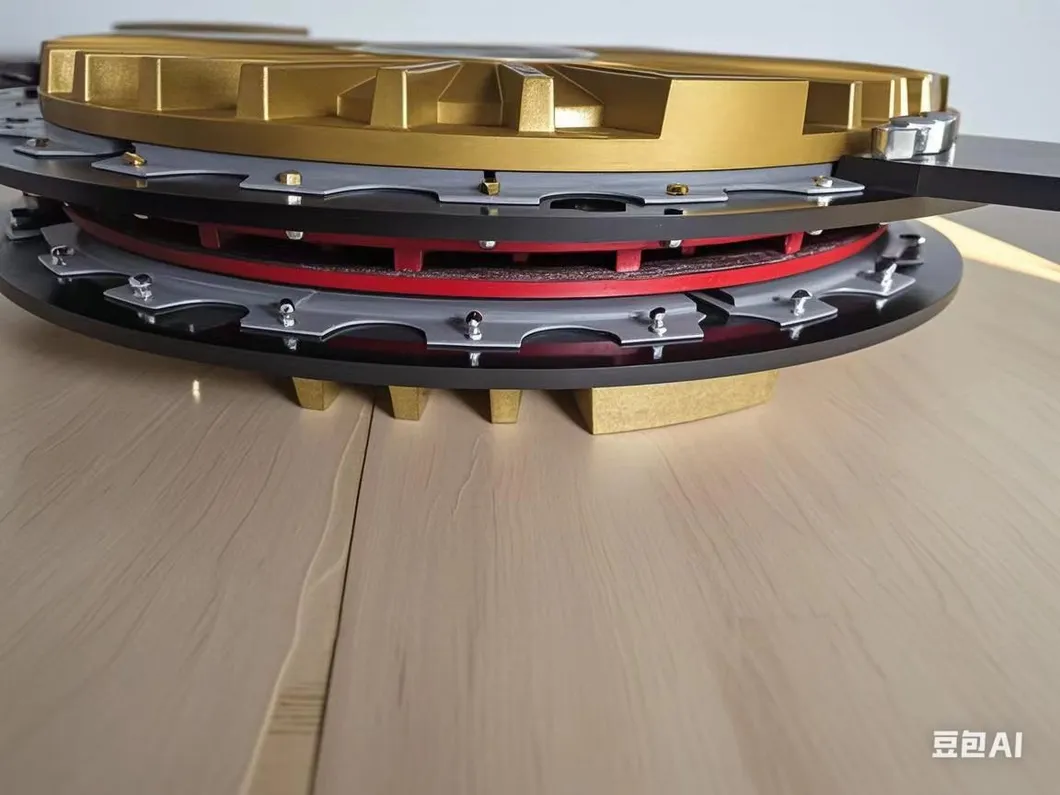
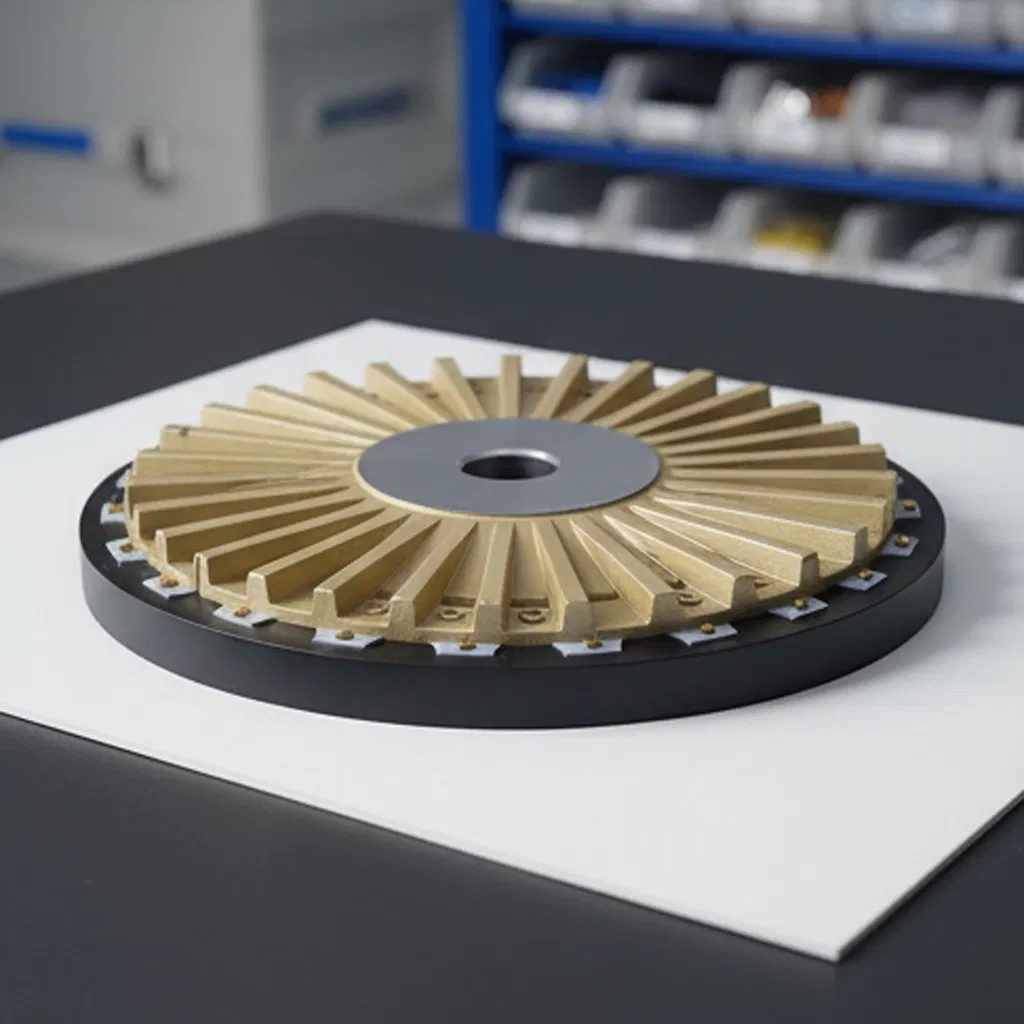
The KB Series Thin-type Pneumatic Clutch Brake is an innovative masterpiece that masterfully merges the functionalities of a clutch and a brake into a seamless spring-brake combination. With its outstanding performance and distinct design, it excels with unparalleled adaptability across extensive industries including forging, printing, textile, welding, and metal processing.
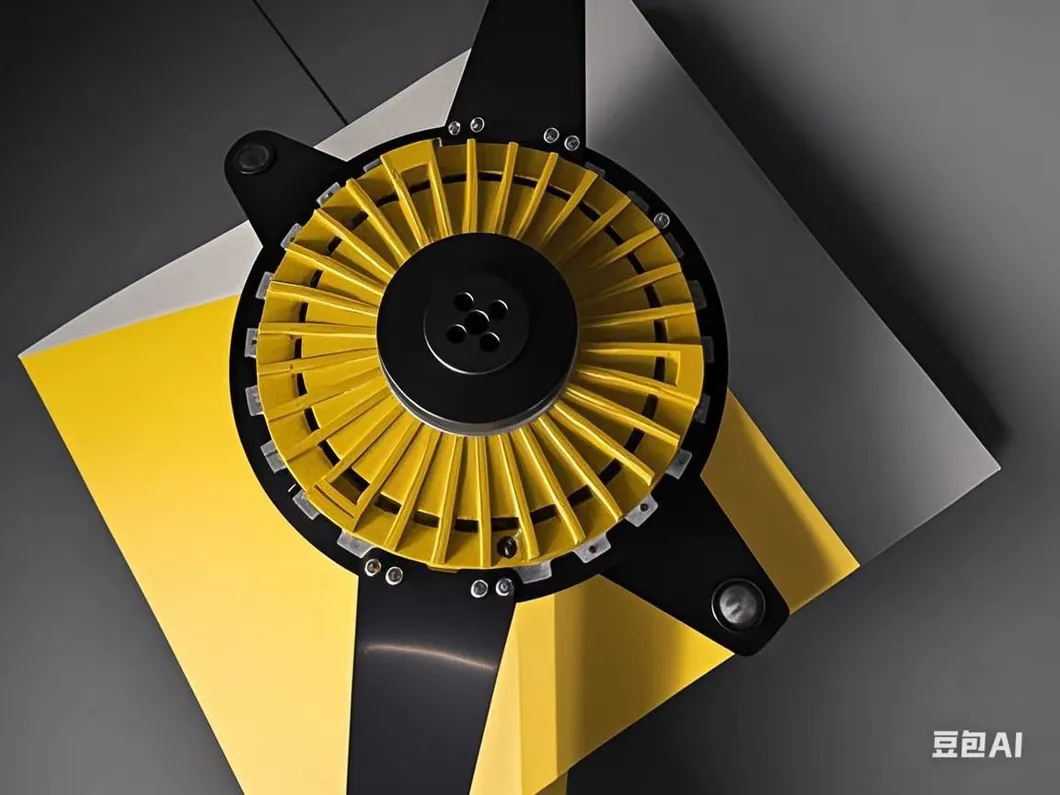
Pneumatic Brake System
KB500 Dry Pneumatic Clutch Brake: Engineered for 110-125 ton pneumatic power presses.
  • Outer Diameter: 497mm
  • Transmission Torque: 7300N·m (at 6.0 bar)
  • Braking Torque: 3800N·m
  • Response Speed: Under 30ms
Technical Specifications
Model Clutch Torque (Nm) Brake Torque (Nm) Max RPM Air Pressure (bar) Weight (kg)
KB2526018030005-715
KB100104072025005-740
KB4004160288020005-795
KB5005200360020005-7110
KB120012480864015005-7175
HT2900301602088010005-7300
Product Advantages
  • Compact Structure: Reduced axial size and lightweight design minimizes rotational inertia and equipment volume.
  • Safe and Reliable: Uses asbestos-free friction materials, aligning with modern environmental and health standards.
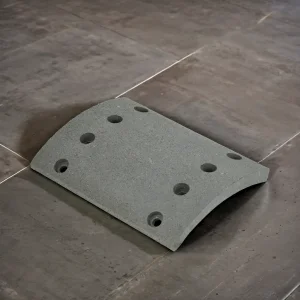
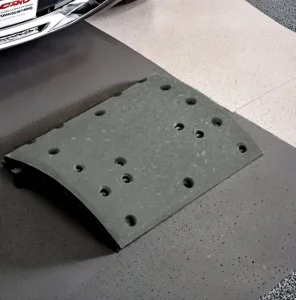
  • Easy Maintenance: Friction pads can be replaced without disassembling the clutch, reducing downtime.
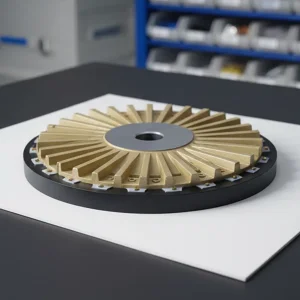
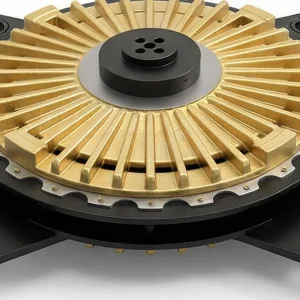
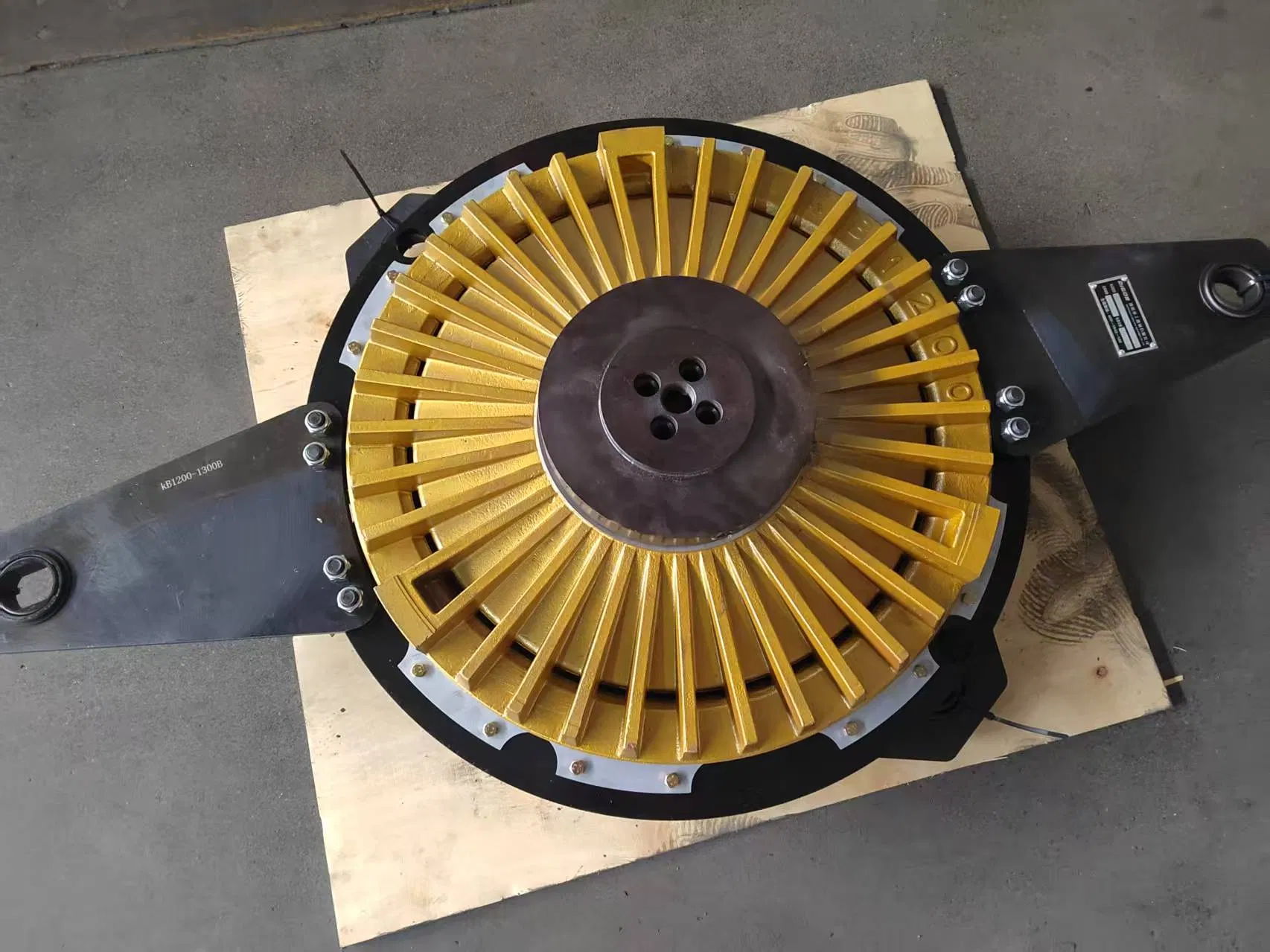
  • Excellent Heat Dissipation: Innovative disc arc design effectively lowers operational temperatures.
  • Quick Response: Rapid clutching and braking (0.01 - 0.02 seconds) enhances production efficiency.
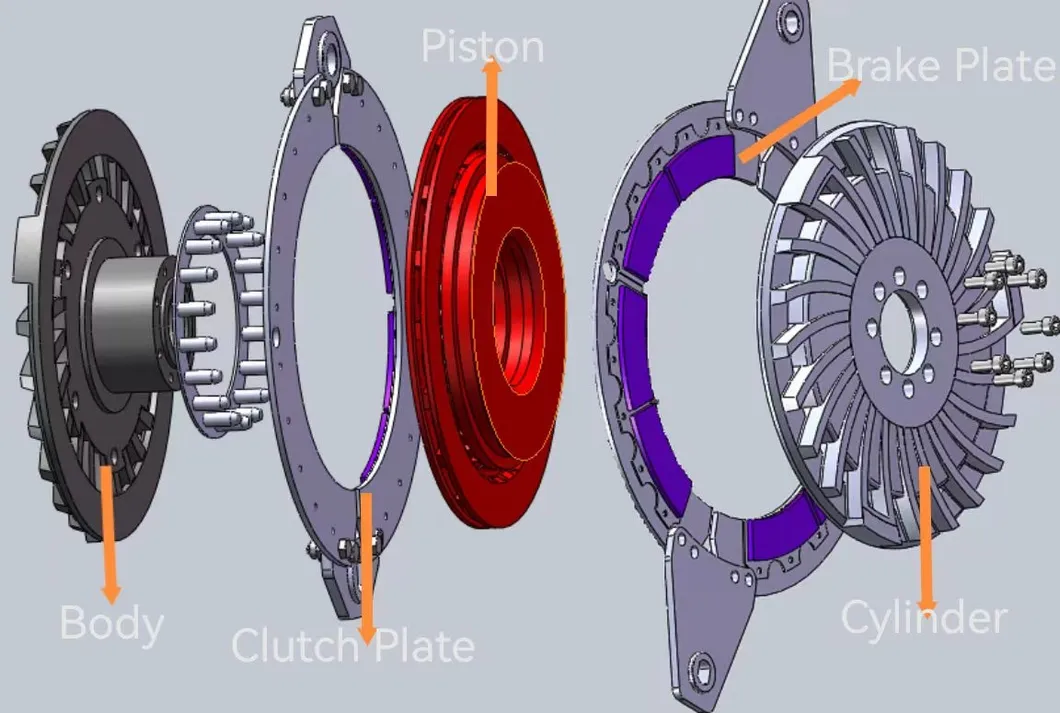
Pneumatic Clutch Brake Structure
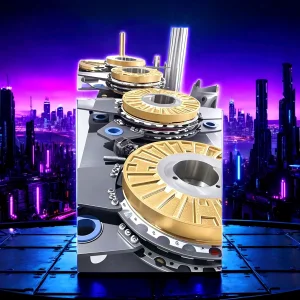
Clutch Component Layout
Working Principle & Installation

Clutching Process: Compressed air propels the piston to activate the rotation of the driven part through friction pads and the clutch body.

Braking Process: When air supply ceases, spring tension retracts the piston, swiftly braking the driven part within 0.01-0.02 seconds.
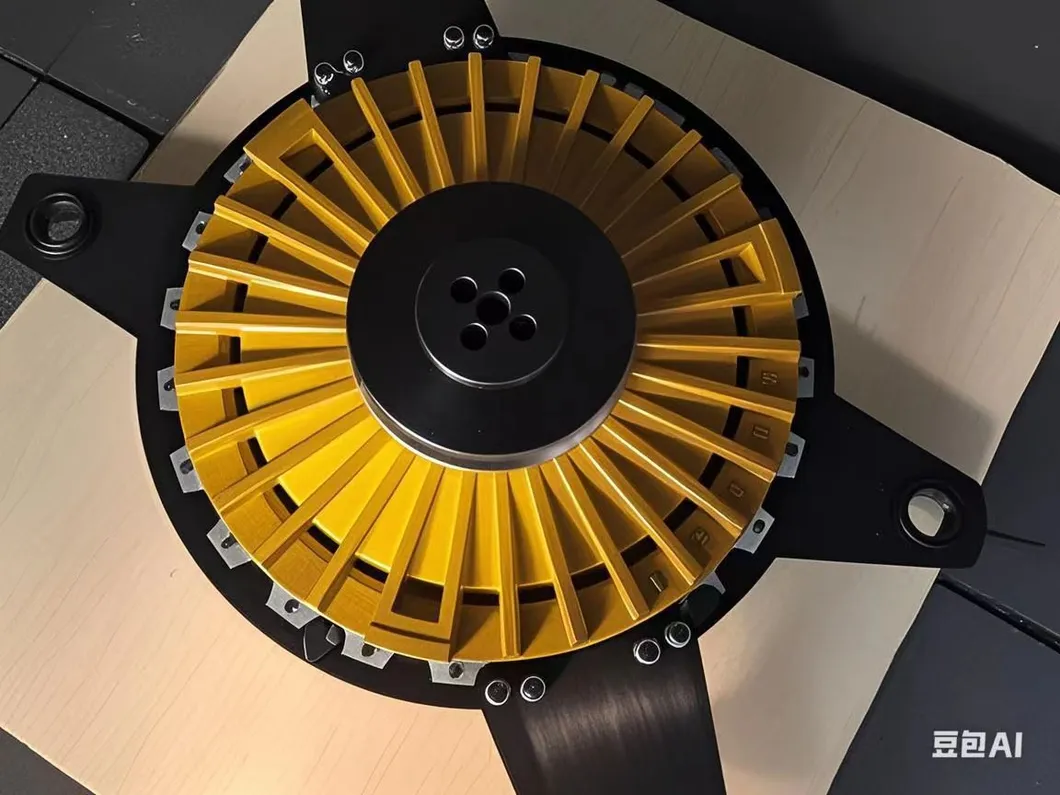
Key Installation Requirements:
  • Pin hole tolerance should adhere to H7 standards.
  • Geometric tolerance and keyway roughness must conform to national standards.
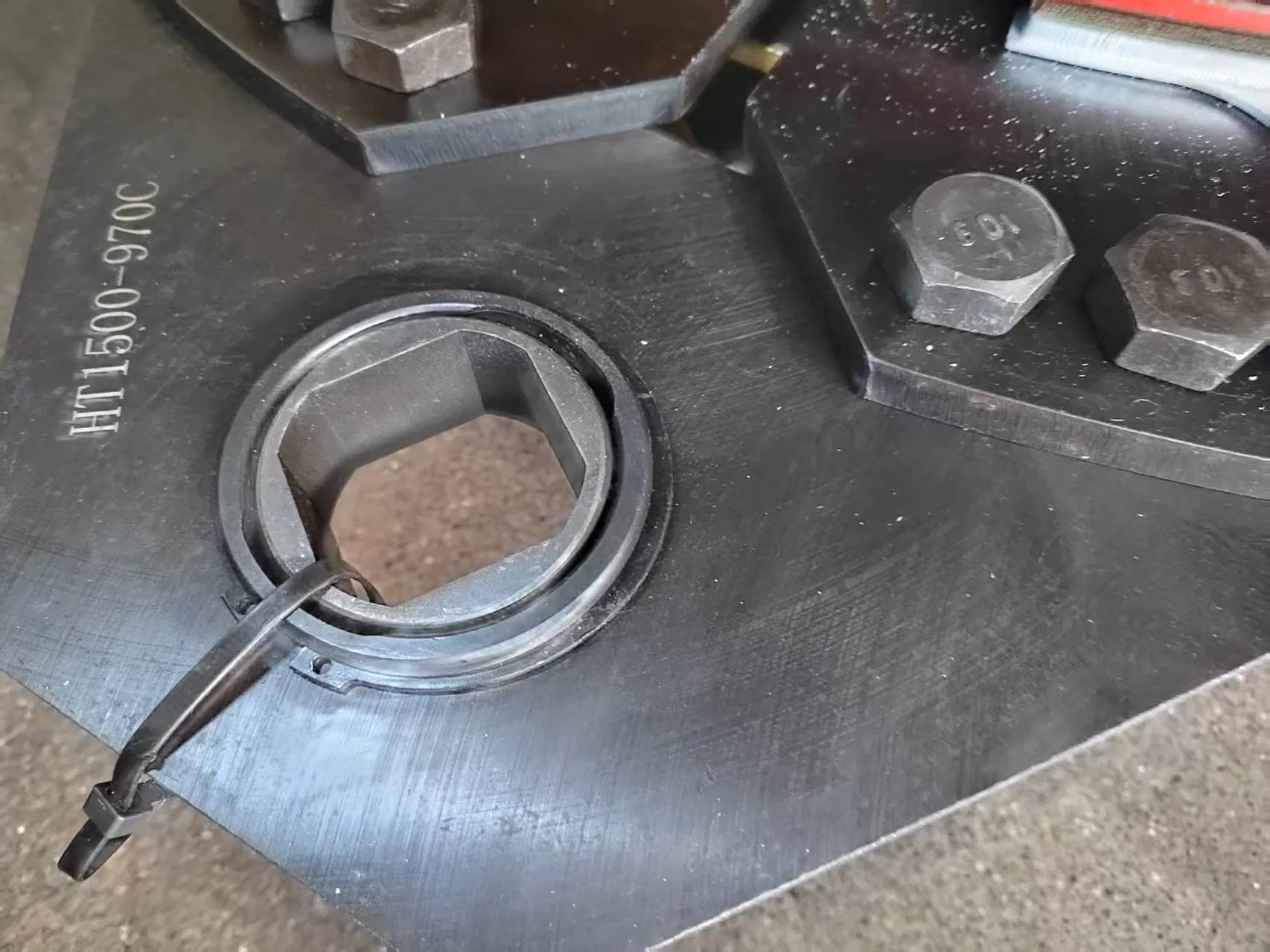
  • Axial air intake requires sealing caps to prevent leakage.
  • Square pins are used to rectify size discrepancies and mitigate thermal deformation.
Installation Guide
Maintenance & Safety Precautions

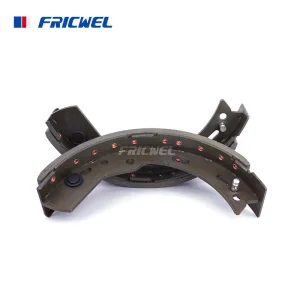
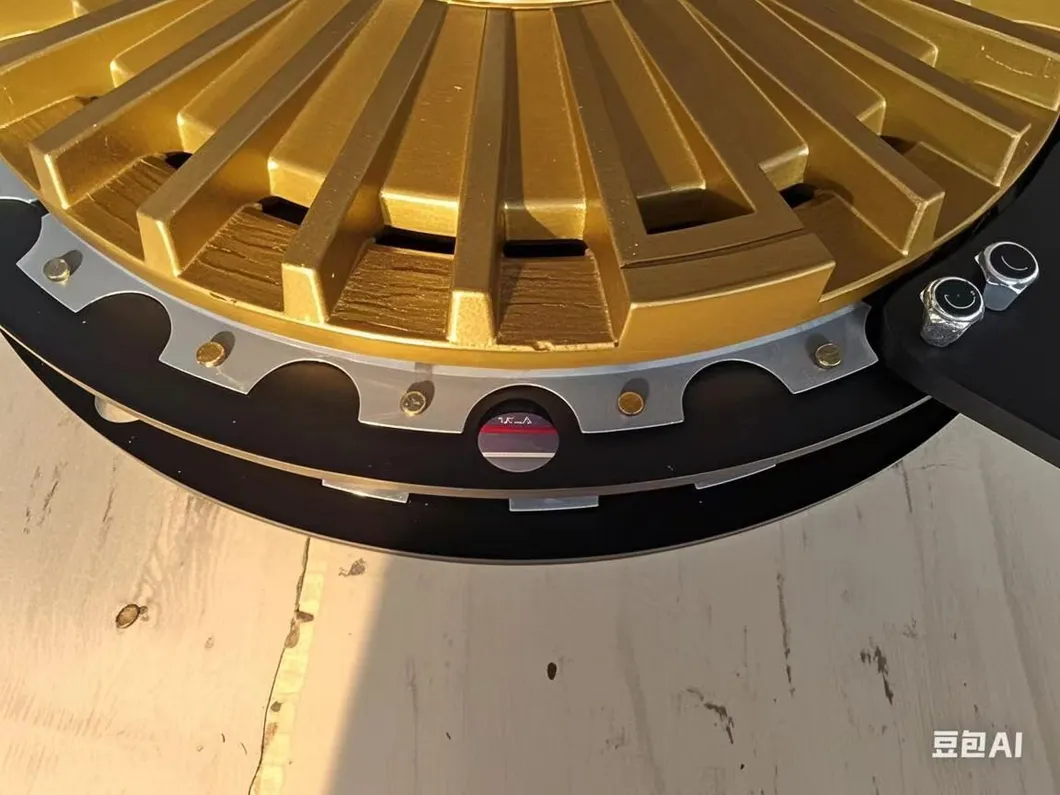
Friction pads are consumable and should be replaced when wear exceeds 50% of original thickness. The design allows replacement without disassembling ear plates.
Clutch Maintenance
⚠ Safety Warnings:
  • Never touch rotating parts during operation.
  • Allow 30 minutes for cooling before maintenance to prevent burns.
  • Never attempt unauthorized disassembly of internal springs.
  • Always use a protective cover during high-speed rotation.
Product Display 1
Product Display 2
Frequently Asked Questions
Q1: What industries use the KB Series Pneumatic Clutch Brake? A: It is widely used in forging, printing, textile, welding, shipbuilding, and specialized machinery like paper, woodworking, and metal processing equipment.
Q2: How fast is the response time for braking? A: The system offers an extremely fast response, with braking times typically between 0.01 and 0.02 seconds.
Q3: Do I need to disassemble the whole unit to replace friction pads? A: No. Our innovative design allows for the replacement of friction pads without disassembling the clutch or ear plates, significantly reducing maintenance time.
Q4: Are the friction materials safe for the environment? A: Yes, we use asbestos-free friction materials that eliminate health risks and comply with modern environmental standards.
Q5: When should I replace the friction pads? A: Replacement is required if the machine struggles to reach rated capacity or if the friction pad wear exceeds 50% of its original thickness.
Q6: What happens if I choose an incorrectly sized clutch? A: An undersized clutch won't reach desired capacity, while an oversized one increases costs and may lead to overheating and accelerated wear of sealing rings.

Related Products