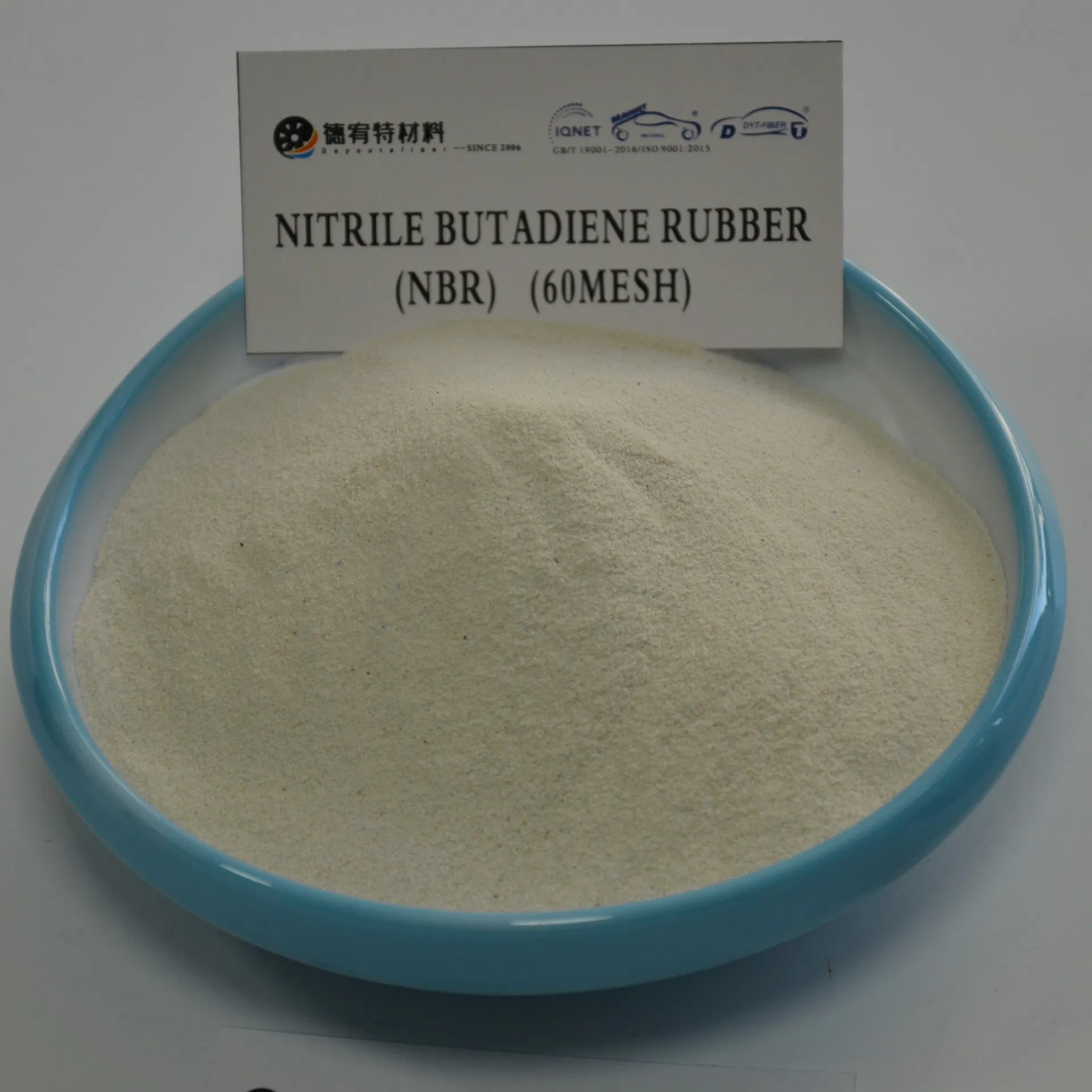
High-Performance Nitrile Butadiene Rubber Powder for Brake Systems

Still deciding? Get samples of $ !
Order Sample

Product Description

🔹

Basic Information

Model NO.
NBR-60MESH
Effect
Hole with Seal
Cross-Section Shape
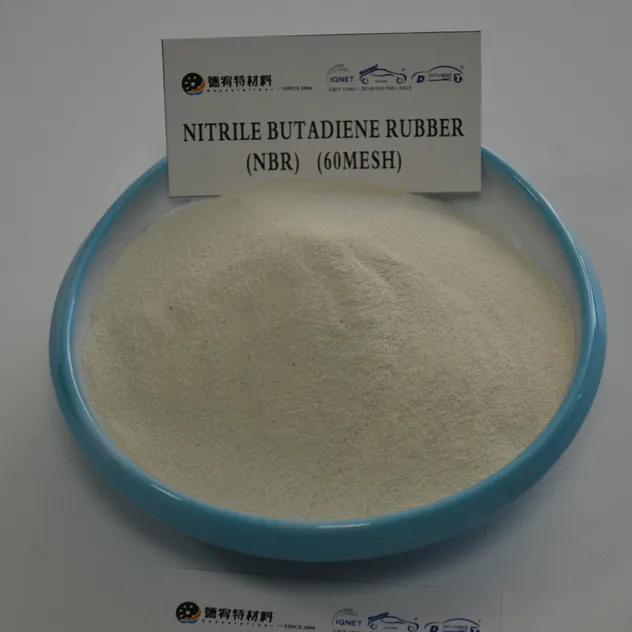
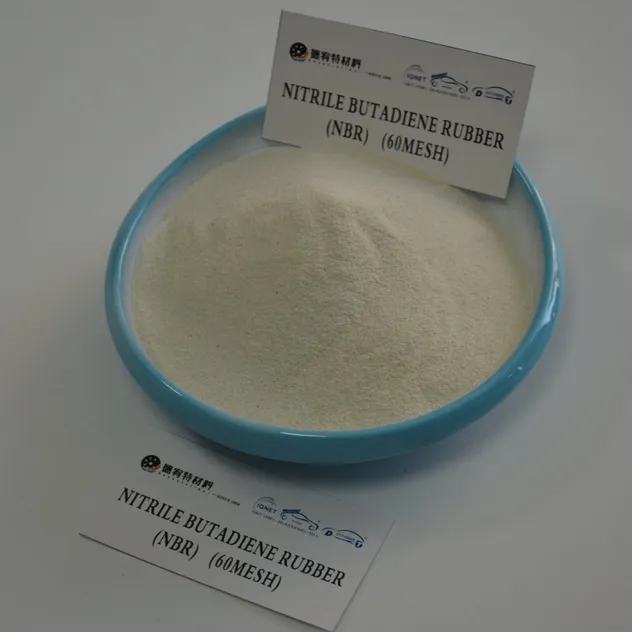
Powder
Color
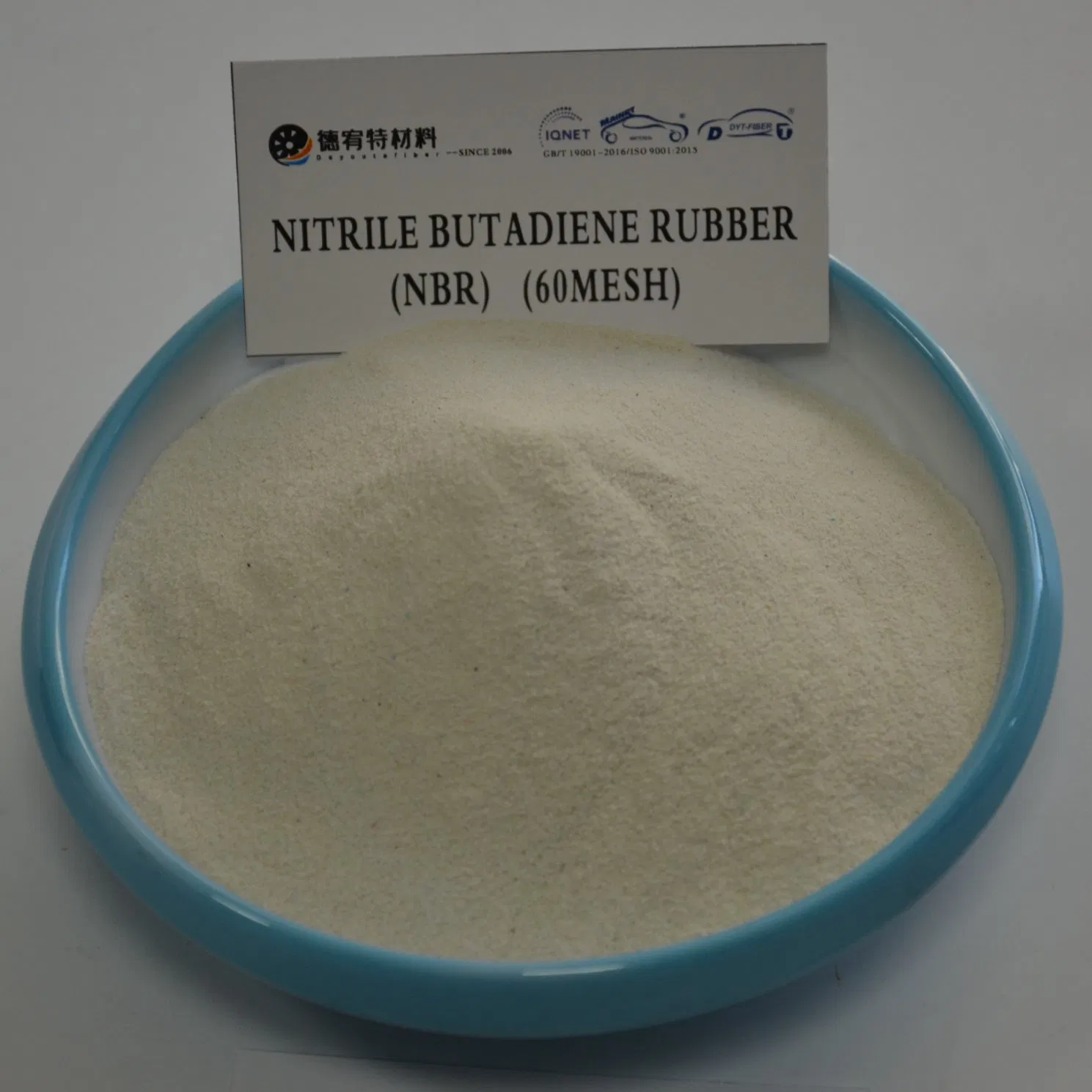
White or Slightly Yellow Powder
Acrylonitrile Content
35%
Viscosity(M) Ml 1+4/100℃
125
Specific Gravity
1.03 g/cm3
HS Code
4002499000
📊

Technical Specification

Nitrile Butadiene Rubber Powder
NBR Detail 1
NBR Detail 2
NBR Detail 3
ProjectUnitIndex
Specific Gravityg/cm31.03
Color-White or Slightly Yellow Powder
Loose Densityml/100g310
Tapped Densityml/100g275
Sieve residue of 60 mesh%8.5
Viscosity(m) ml 1+4/100℃-125
800℃ Remaining After Burning%6
Combination of Acrylonitrile%35
Talcum Powder%4
MgO%1.5
Al2O3%0.6
SiO2%2.3
H / N / C%10.3 / 9.9 / 74.9
📦

Packing & Delivery

Packing 1
Packing 2
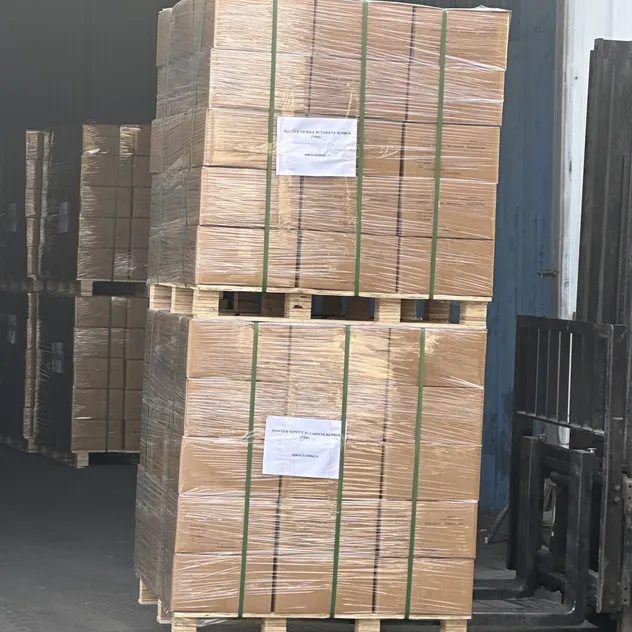
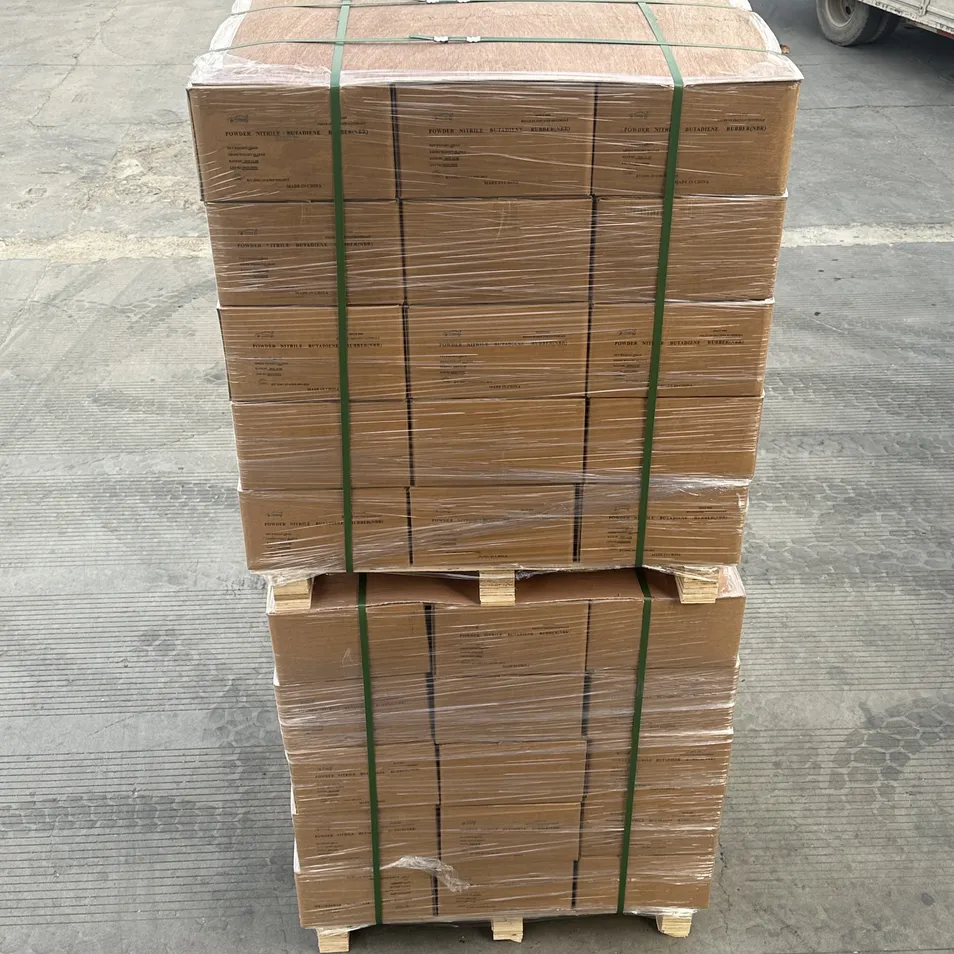
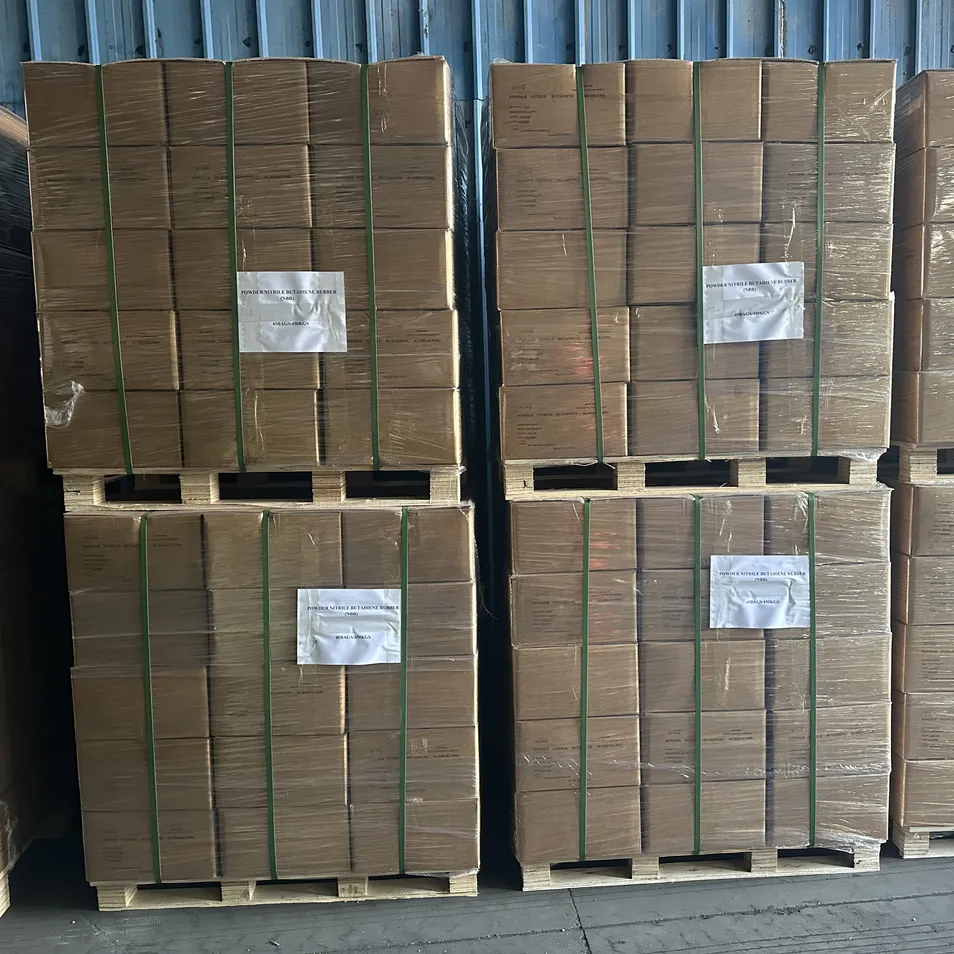
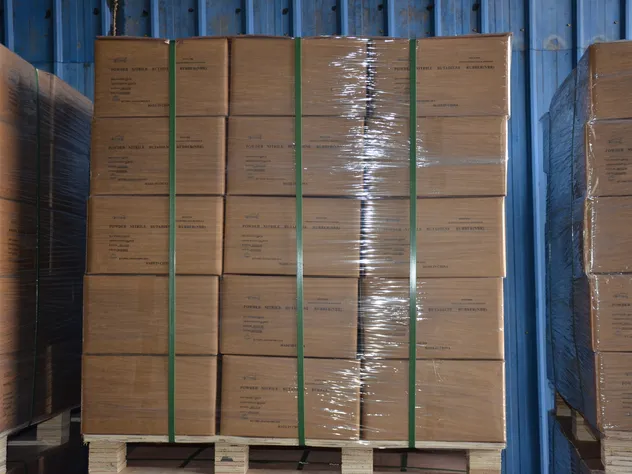
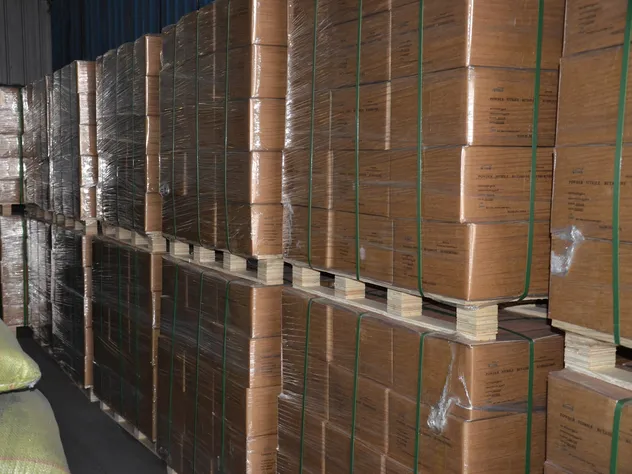
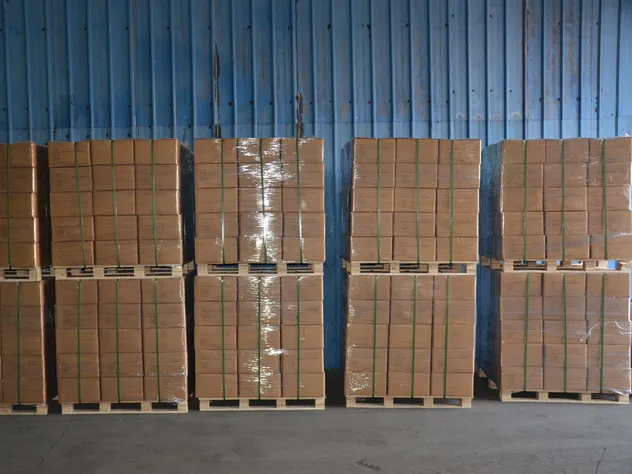
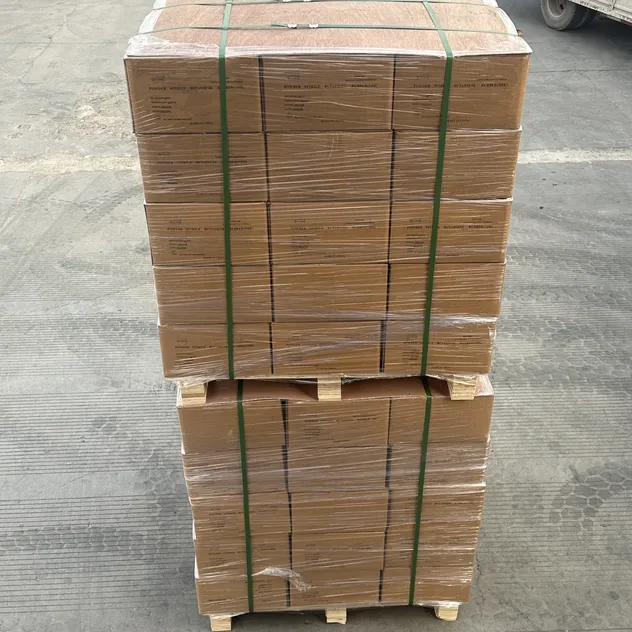
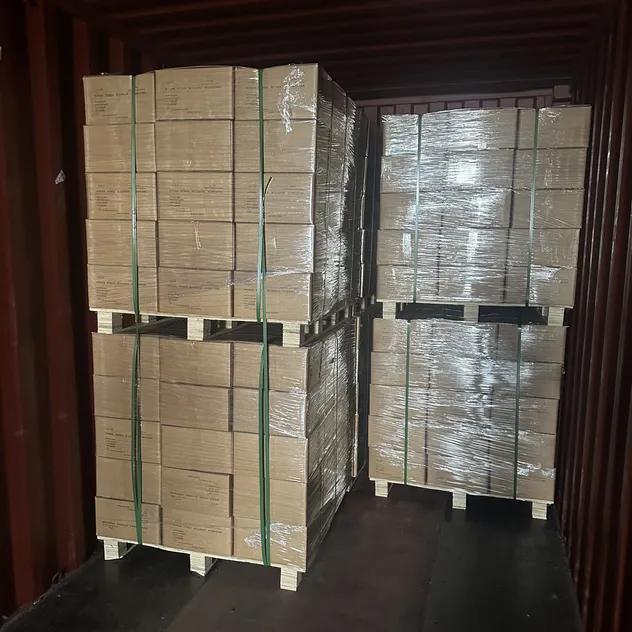
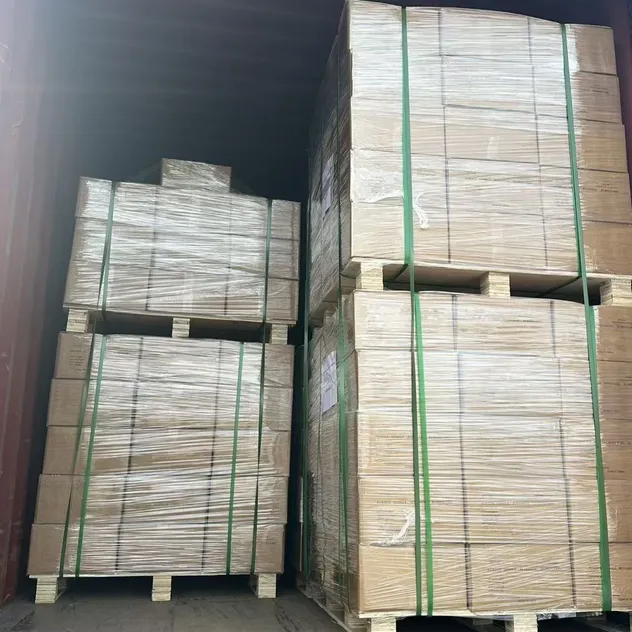
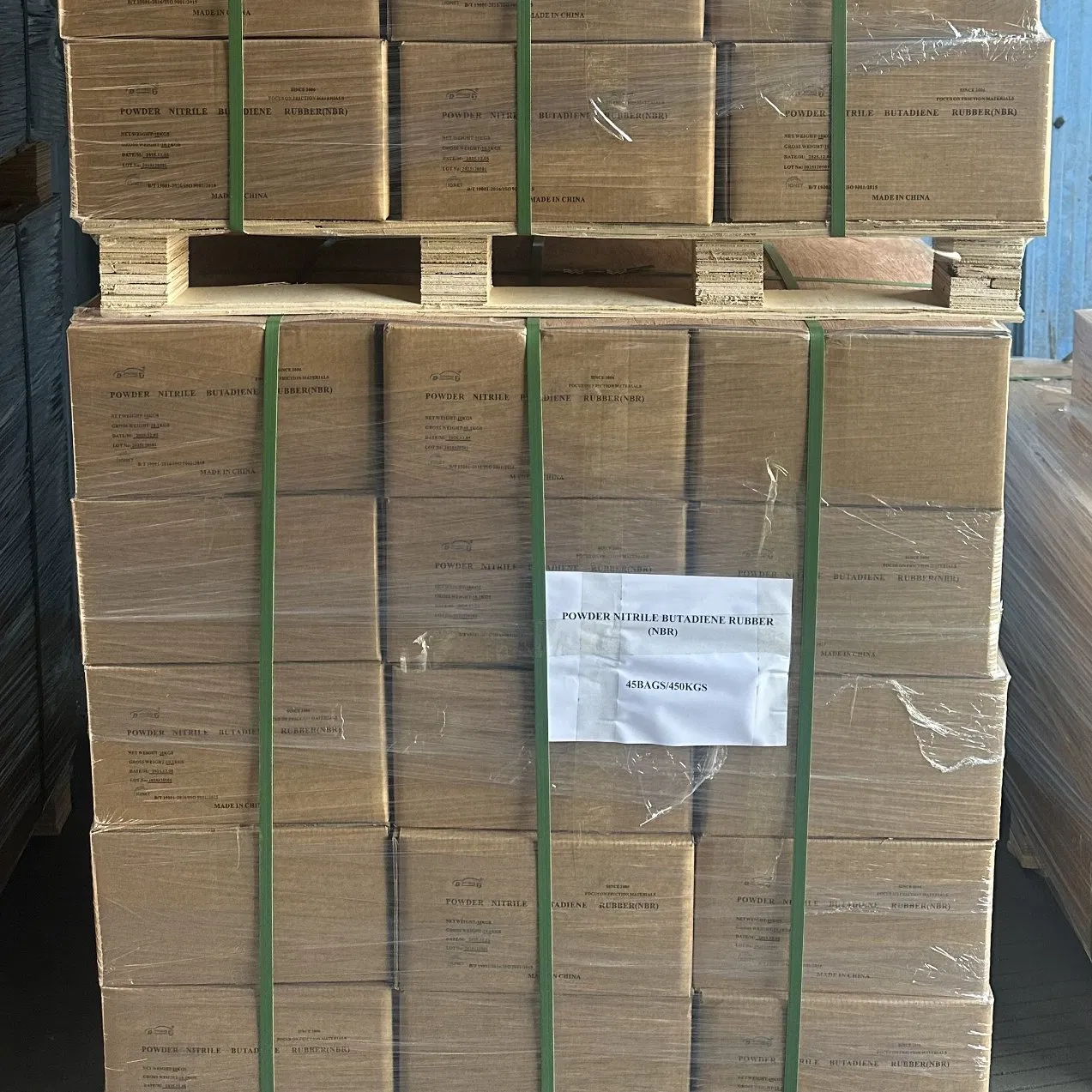
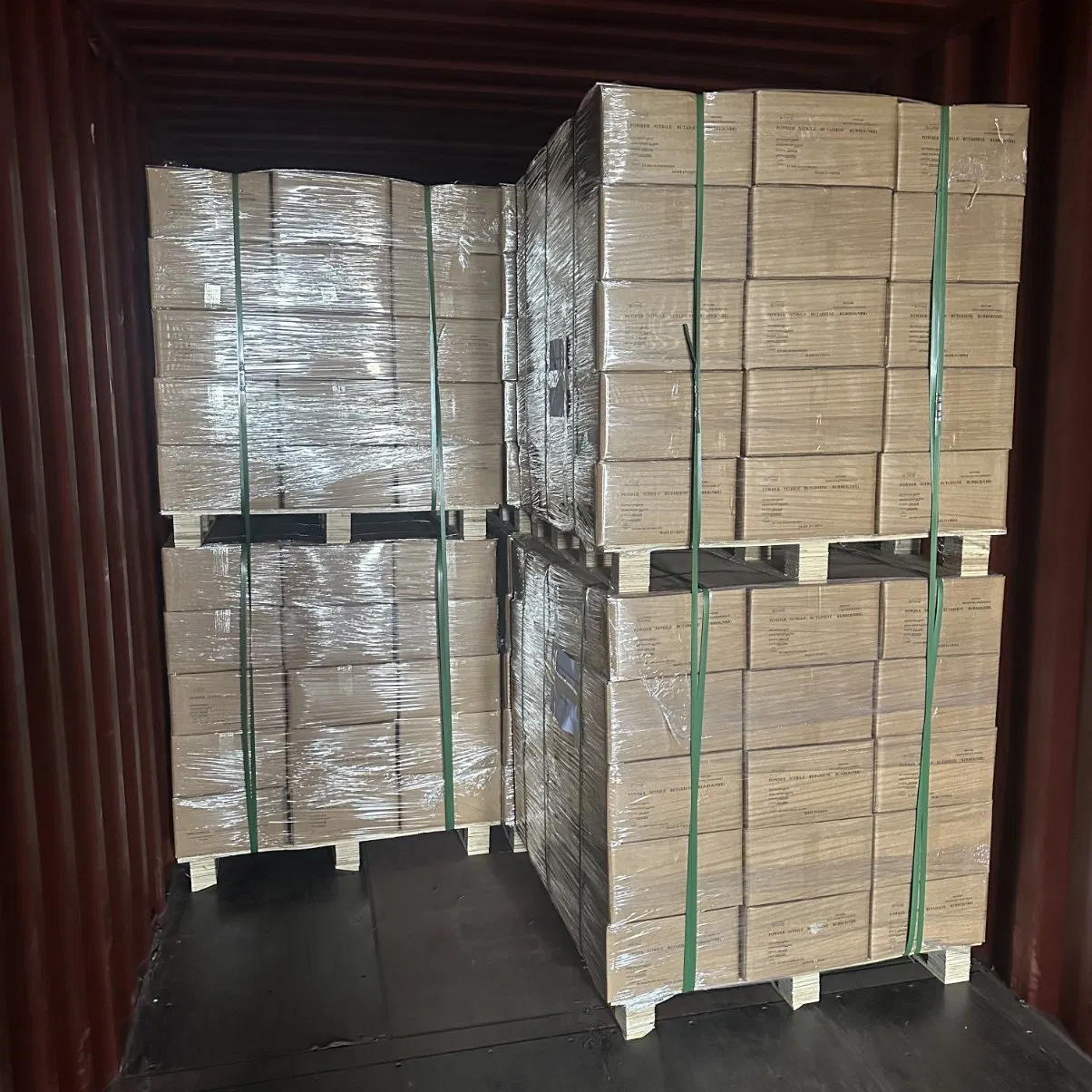
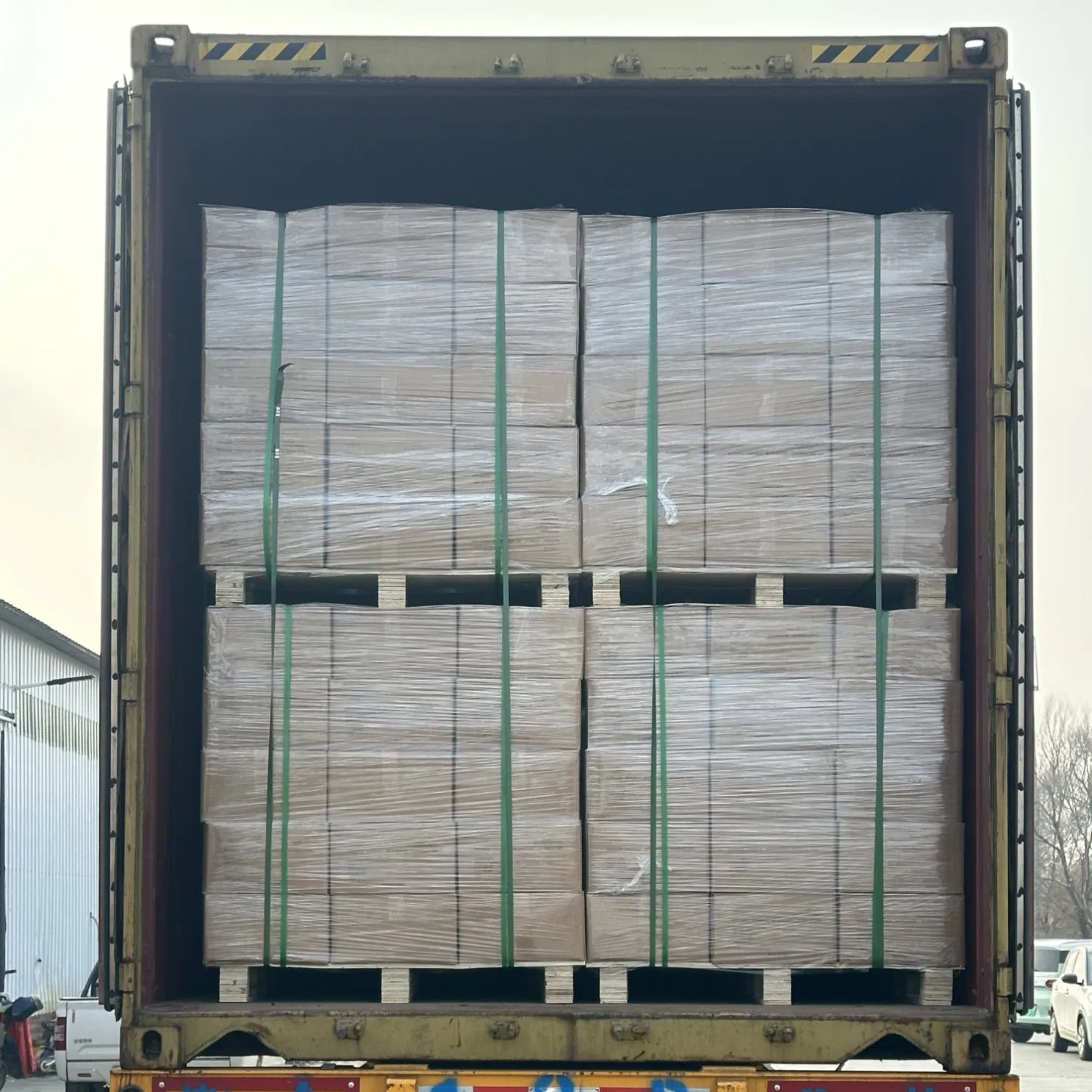
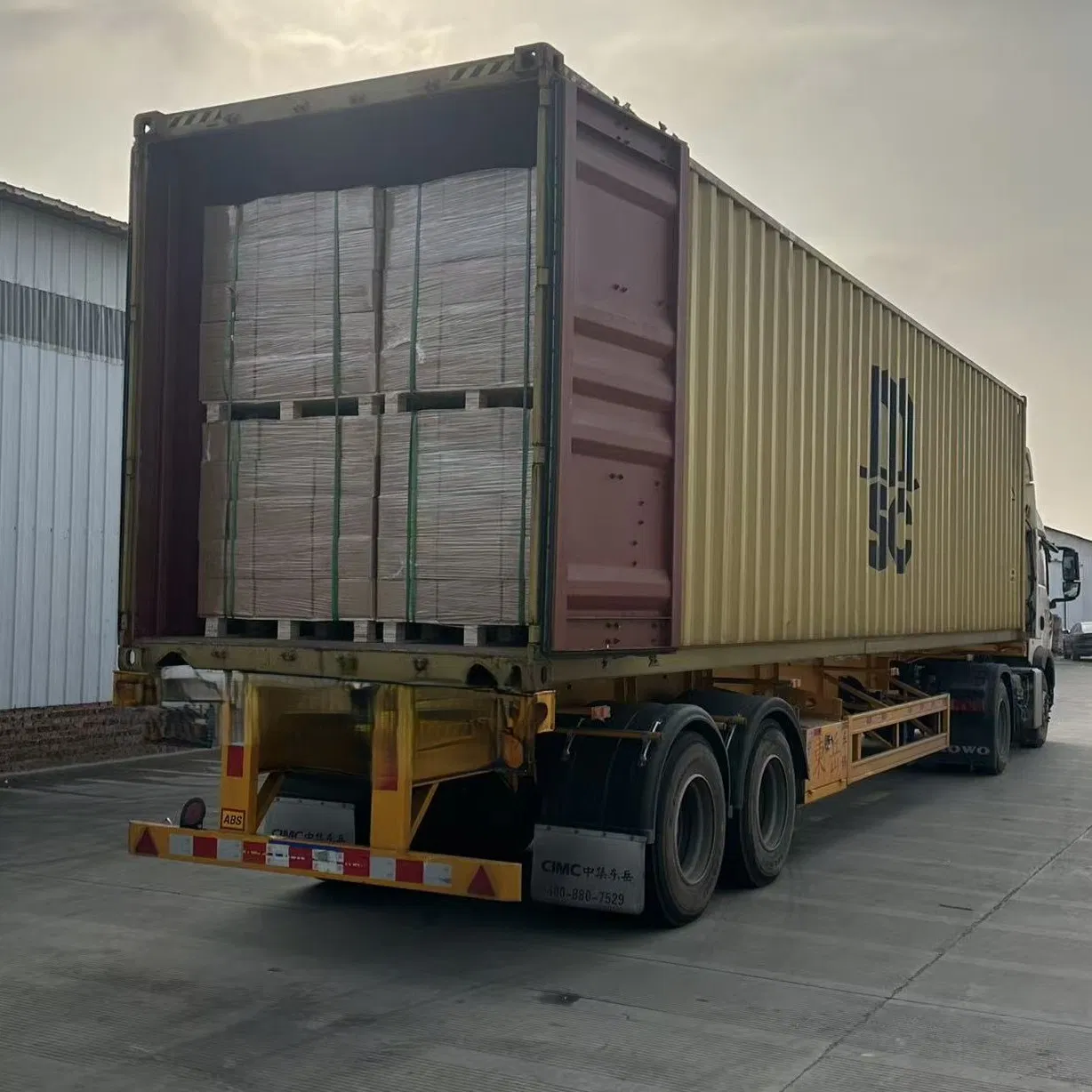
List package contents: 10kgs/Boxes. Clarify shipping timelines by region (e.g., EU: 5–7 business days, APAC: 10–15 business days) and costs. Duties are calculated at checkout. Free replacements are provided for shipping-damaged items.
🔬

Product Performance

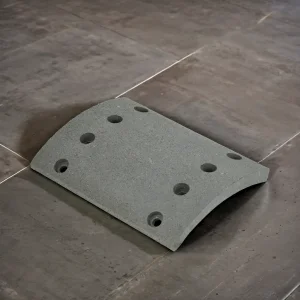
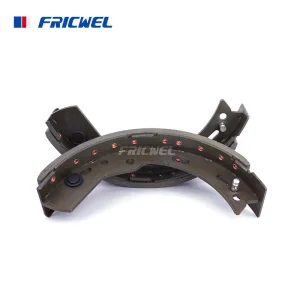
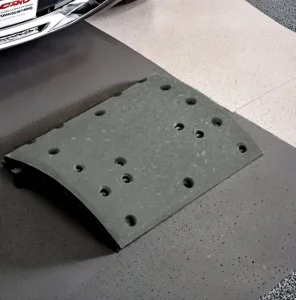
Powder Nitrile Butadiene Rubber (NBR) of the semi-coupling type is usually applied. In friction materials, it not only functions as a basic binder but also as a friction regulator, making it a non-friction type high-friction performance regulator.
Process 1
Process 2
Process 3
Factory 1
Factory 2
Factory 3

Frequently Asked Questions

What is the primary application of NBR-60MESH?
It is primarily used in friction materials and brake systems as both a basic binder and a high-performance friction regulator.
What is the particle size specification?
The product is a 60 mesh powder with a sieve residue of approximately 8.5%.
What are the standard packaging options?
The standard packaging is 10kg per box, specifically designed for easy transport and handling.
What is the acrylonitrile content in this rubber powder?
The combination of acrylonitrile in NBR-60MESH is 35%, ensuring optimal performance in friction applications.
How does it handle extreme temperatures?
The material shows a 6% remaining residue after burning at 800℃, demonstrating its stability in high-heat environments.
What is the specific gravity and density?
The specific gravity is 1.03 g/cm3, with a loose density of 310 ml/100g and a tapped density of 275 ml/100g.

Related Products